
A Beginner’s Guide to Barbel Fishing
Learn how to catch barbel with this beginner-friendly guide covering tackle, rigs, the best baits, where to find barbel and essential fish care on UK rivers.
2 September 2026
Some links in this guide are affiliate links. If you buy through them we may earn a small commission at no extra cost to you — it never influences what we recommend.
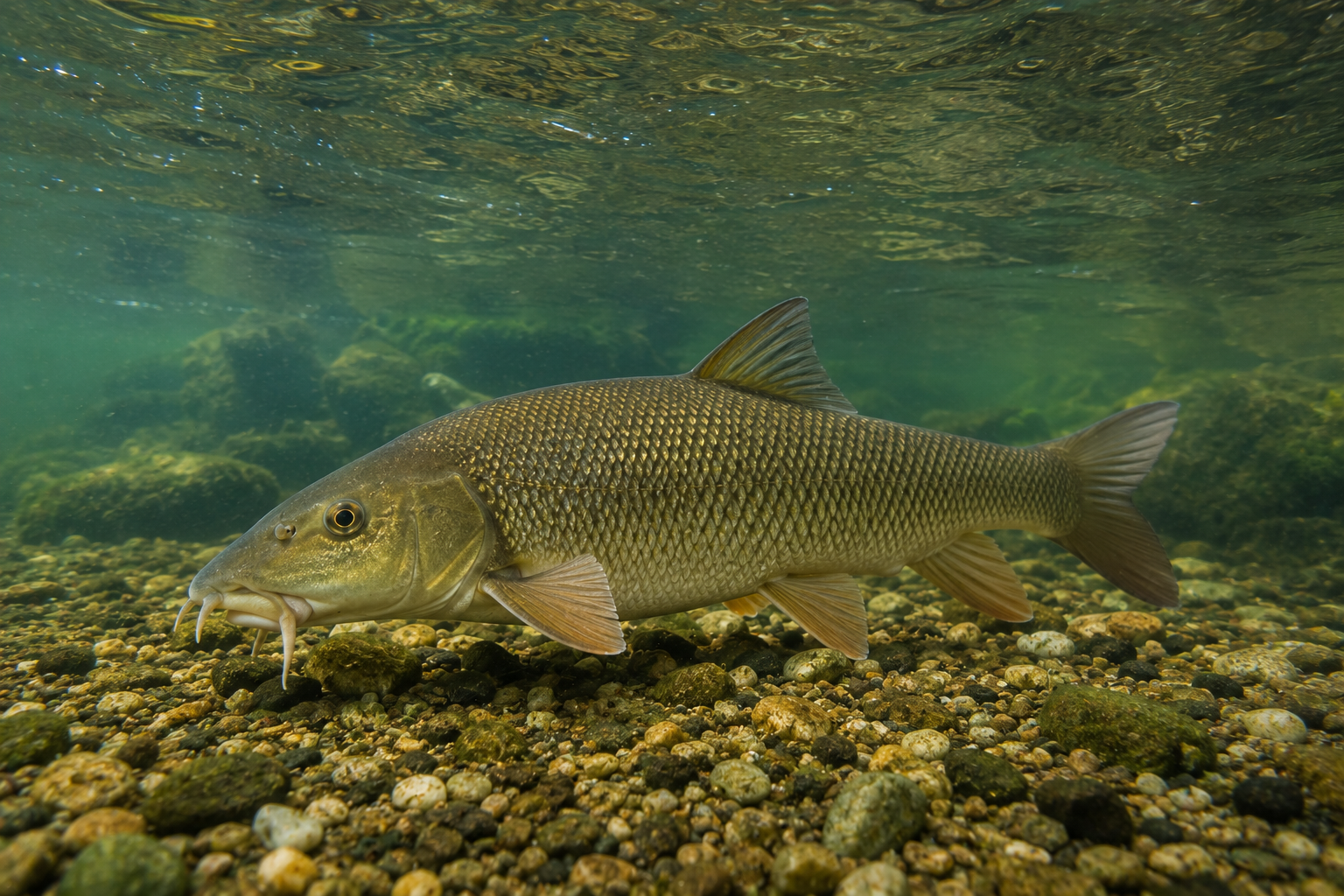
Barbel are one of the most exciting freshwater fish you can catch in the UK. Powerful, streamlined and perfectly adapted to life in flowing water, even a modest barbel can put up an impressive fight.
For beginners, barbel fishing can initially seem complicated. There are specialist rods, different rigs, large feeders and an enormous choice of baits. In reality, you can start barbel fishing with a relatively simple setup.
Finding the fish, presenting a bait securely on the riverbed and using tackle strong enough to deal with a powerful fish in flowing water are the main things you need to get right.
Where to Find Barbel
Barbel are primarily river fish and favour flowing, well-oxygenated water. Famous UK barbel rivers include the Trent, Severn, Wye, Thames, Kennet and Great Ouse, although they can be found in numerous other rivers.
Before fishing, always check that barbel are present in the stretch and that you have the correct fishing rights, club membership or day ticket.
Once you're on the river, don't simply cast into the middle.
Look for features such as:
- Gravel runs
- Deeper channels
- Creases between fast and slower water
- Overhanging trees
- Weed beds
- Undercut banks
- Areas below weirs
- Steady glides with a reasonable depth
Barbel spend much of their time feeding close to the riverbed. Their streamlined bodies allow them to comfortably hold position in surprisingly strong currents.
During summer, faster and shallower stretches can produce fish, particularly when the river is well oxygenated. As conditions change, deeper and steadier water can become more productive.
Tackle worth buying
Shop rods, reels, terminal tackle and more at Total Fishing Tackle.
What Tackle Do You Need?
Barbel are exceptionally strong, so your tackle needs to be considerably more substantial than a typical light float-fishing setup.
A barbel or specialist rod around 11–12ft long with a test curve of approximately 1.5–2lb is a good general-purpose choice. Korum have the 3k barbel rod range which we believe offers excellent value for money. I have used the 1.75lb TC version and found it to be a great piece of kit and at the current price of under £50 offers probably the best value barbel rod on the market.
Match this with a reliable medium-sized fixed-spool reel.
For most situations, main line of around 10–12lb breaking strain provides a sensible starting point. Stronger tackle may be necessary on rivers with heavy weed, snags or particularly powerful flows.
A large landing net is essential.
You'll also need a generously sized, well-padded unhooking mat. Barbel are long, muscular fish and should never be placed directly onto gravel, stones or a dry riverbank.
A Simple Barbel Rig
You don't need complicated rigs to catch barbel.
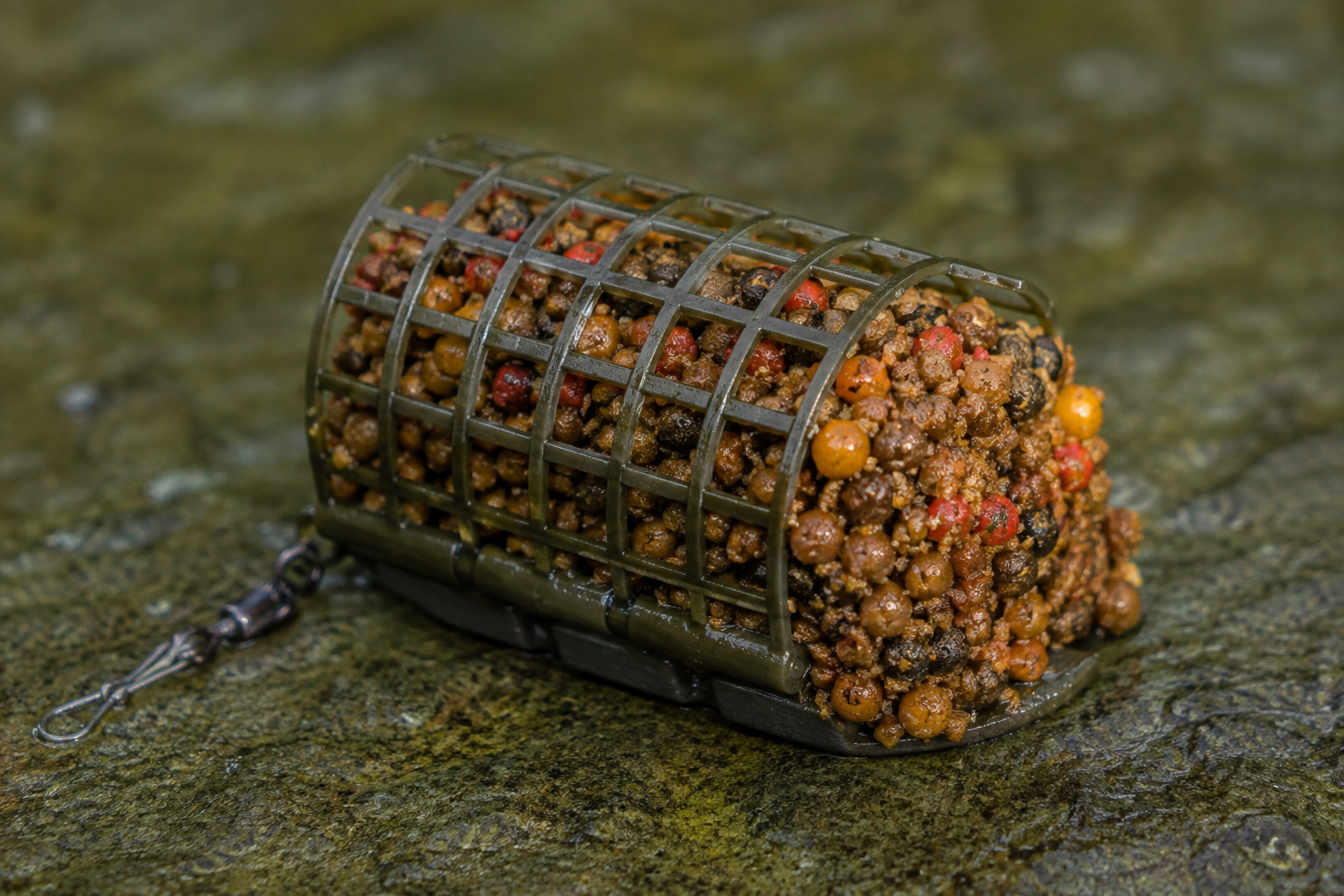
A straightforward running leger or feeder rig is an excellent place to start.
Thread a suitable lead or feeder onto the main line, followed by a bead to protect your knot. Attach a swivel and then add your hooklength.
The weight required depends heavily on the river.
On a small, gentle river you might only need a relatively light lead. On a large river such as the Trent or Severn, considerably more weight may be necessary to hold your bait securely on the bottom.
The important point is to use enough weight to keep the rig where you want it.
Trying to fish a feeder that's too light for the flow can result in your rig constantly being pushed downstream.
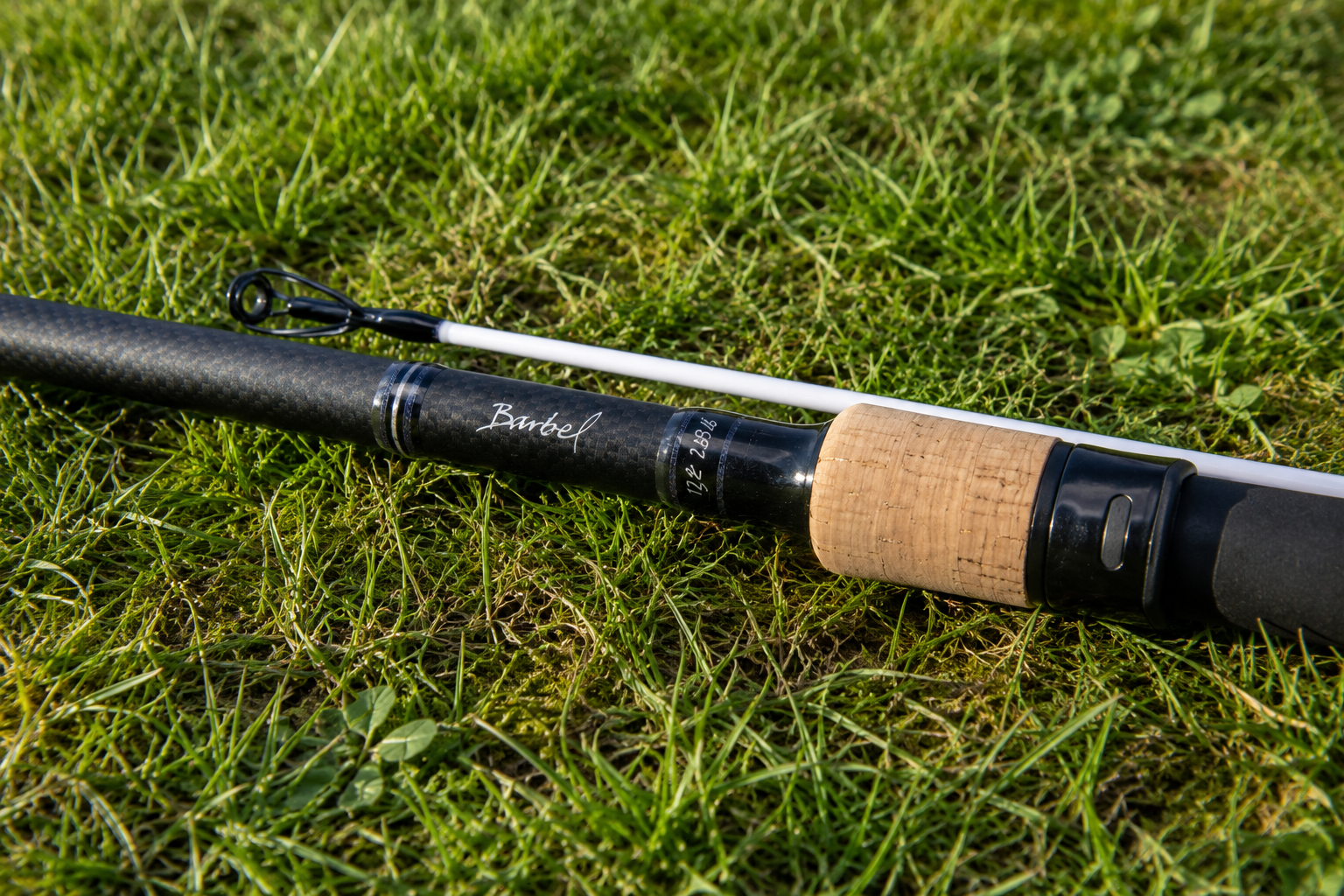
Korum - 3K Barbel Rod
A versatile barbel and specialist river rod designed for powerful fish and demanding conditions. Available in different lengths and test curves, the Korum 3K range covers everything from lighter small-river fishing to heavier feeder and lead work on big rivers.
Best for: Barbel fishing on rivers, particularly anglers wanting a dependable rod for feeder, pellet and leger fishing.
What we like
- Good range of lengths and test curves
- Plenty of power for hard-fighting barbel
- Suitable for feeder and leger fishing
- Sensible price for a dedicated barbel rod
- Versatile enough for other specimen fishing
Worth knowing
- Heavier test curves may feel excessive on small rivers
- You'll need to choose the correct version for your style of fishing
- More specialised than a general-purpose coarse rod
How it scored
- Build Quality
- 88
- Fish Playing Ability
- 92
- Versatility
- 87
- Value for Money
- 94
- Overall Performance
- 92
Prices checked 2 Sept 2026. We may earn a commission if you buy through these links — it never changes what we recommend.
Best Baits for Barbel
Barbel will eat a surprisingly wide range of foods.
Pellets are among the easiest and most reliable baits for beginners. Halibut pellets have caught huge numbers of barbel over the years and can be presented directly on a hair rig.
Boilies are another excellent option, particularly if you're hoping to avoid smaller fish.
Other proven barbel baits include:
- Luncheon meat
- Maggots
- Casters
- Worms
- Sweetcorn
- Hemp
- Pellets
- Boilies
Don't assume you need a large bait to catch a large barbel.
A small bait presented naturally can sometimes outperform something much larger.
Maggots can be particularly effective during colder conditions, while pellets, boilies and meat are popular choices throughout much of the traditional barbel season.
Using a Feeder
A feeder is one of the easiest ways to introduce bait around your hook bait.
A cage or open-ended feeder can be filled with groundbait containing pellets, hemp or other small particles.
Each cast then deposits a small amount of food close to your hook bait.
This creates an area where barbel can feed confidently without giving them enormous quantities of food.
Accuracy is important.
Rather than casting to different areas every time, pick a feature and repeatedly cast to roughly the same spot. Over time, you can gradually build a small feeding area.
Don't Overfeed
One of the easiest mistakes for beginners to make is introducing too much bait.
Barbel can certainly respond to heavy feeding, particularly on rivers containing good numbers of fish, but throwing large quantities of bait into an unfamiliar swim isn't always the best approach.
Start cautiously.
You can always introduce more bait later, but you can't remove bait once you've thrown it into the river.
On smaller rivers, simply introducing a handful of pellets or hemp before fishing can sometimes be enough.
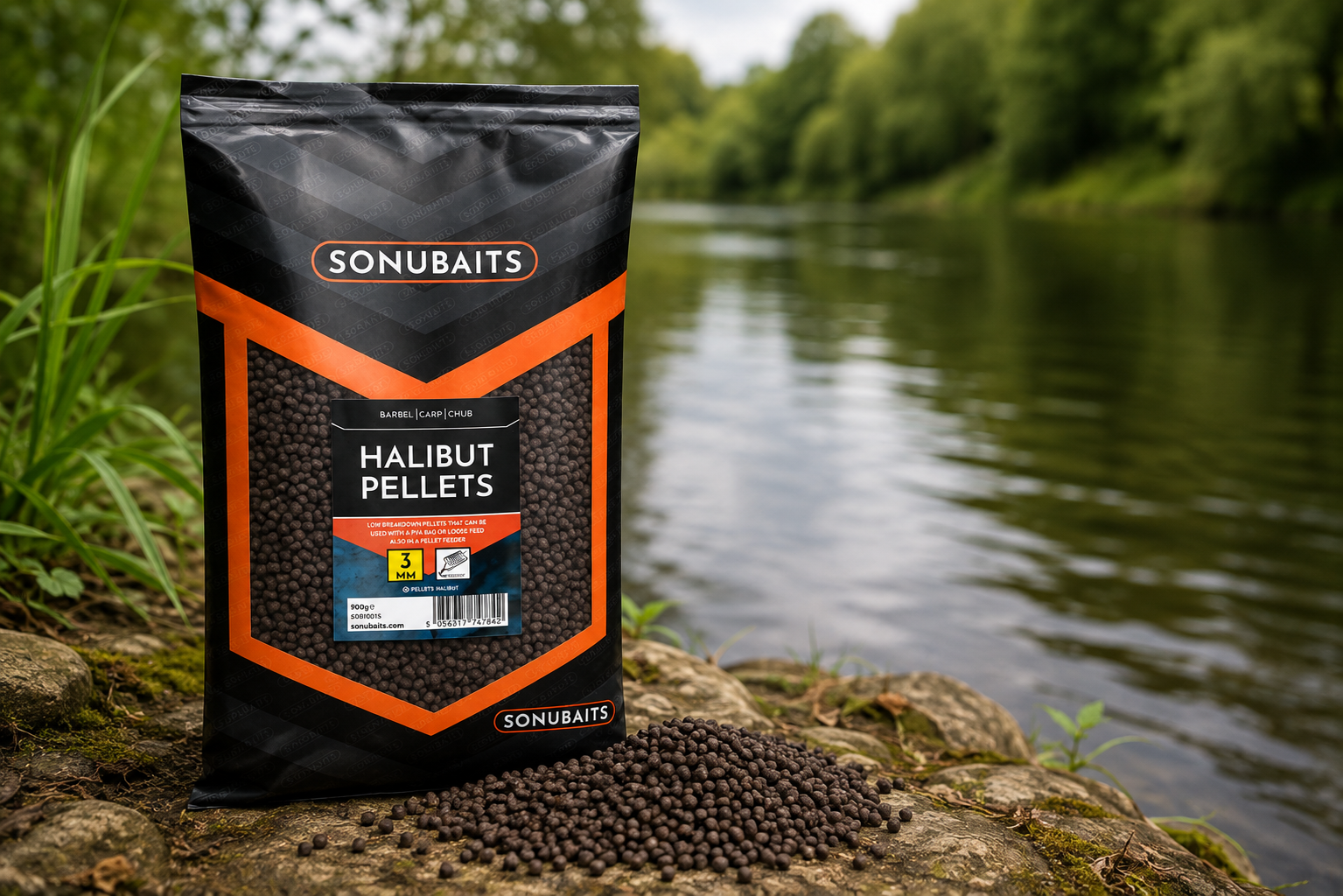
Sonubaits - Halibut Pellets
A reliable high-protein pellet designed for barbel, carp and chub. Sonubaits Halibut Pellets can be used as loose feed, through a feeder or alongside a matching hook bait, making them a useful choice for both river and stillwater fishing.
Best for: Barbel, chub and carp fishing on rivers and stillwaters.
What we like
- Good attraction for barbel, carp and chub
- Versatile for feeders, loose feed and PVA
- Strong fishmeal-based scent
- Available in useful pellet sizes
- Good value for regular fishing
Worth knowing
- Can attract smaller fish in some venues
- Fishmeal pellets may be less effective in very cold water
- Not always the best choice where fish see heavy pellet pressure
How it scored
- Attraction
- 90
- Versatility
- 88
- Value for money
- 88
- Ease of use
- 90
- Cold-water performance
- 80
Prices checked 19 Oct 2026. We may earn a commission if you buy through these links — it never changes what we recommend.
Recognising a Barbel Bite
You probably won't mistake a confident barbel bite.
The rod tip can suddenly pull around as the fish takes the bait and moves away.
For this reason, your rod must be positioned securely.
Use a solid rod rest or bank sticks and make sure the rod cannot easily be dragged into the water. Keep the reel's clutch correctly adjusted so a powerful fish can take line when necessary.
Never leave a barbel rod unattended.
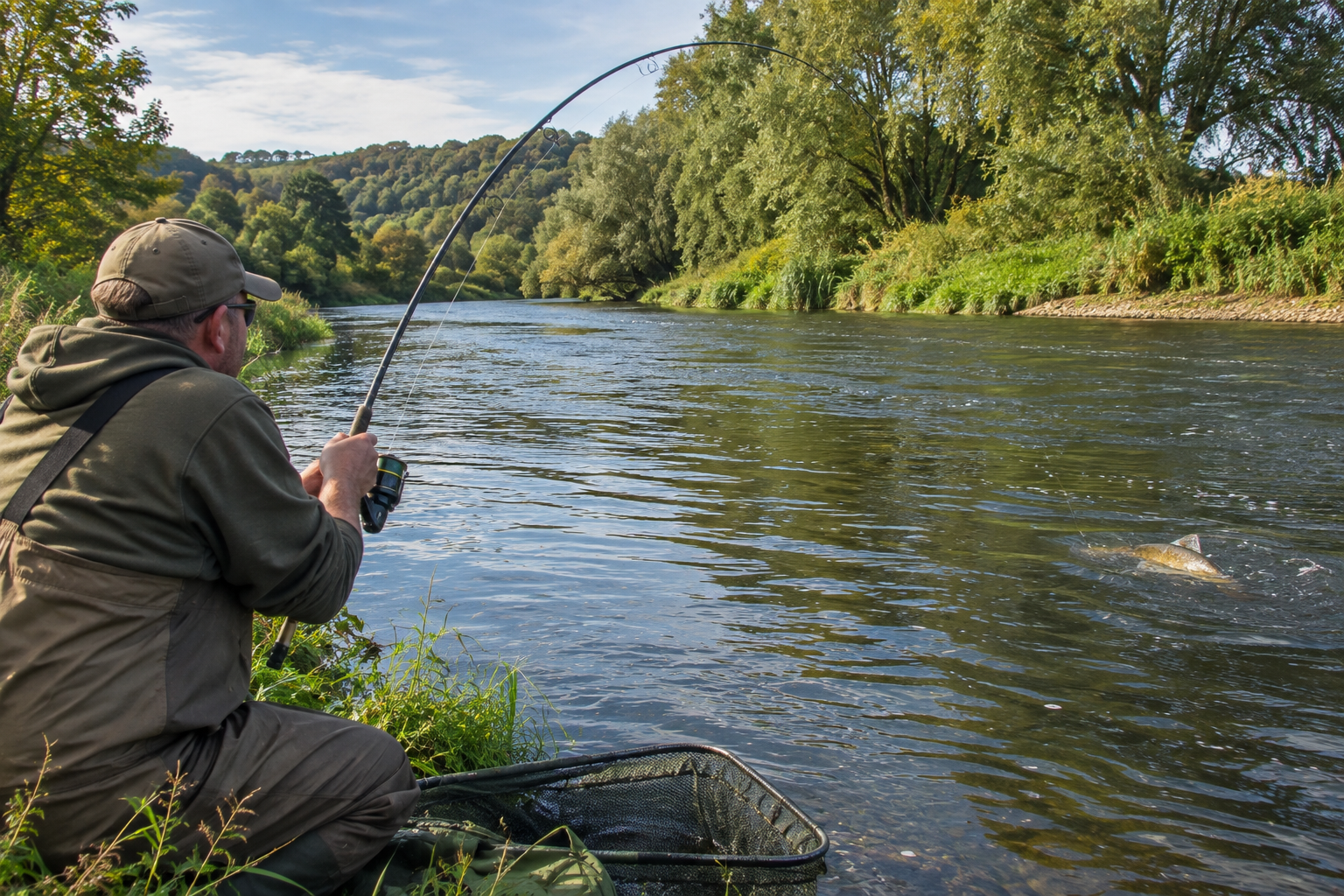
Playing Your First Barbel
This is when you'll discover why anglers become so enthusiastic about barbel fishing.
A hooked barbel will often immediately use the current to its advantage and head towards weed, snags or deeper water.
Don't panic and don't simply tighten the clutch as far as possible.
Keep steady pressure on the fish and let the rod absorb sudden lunges. If the fish needs to take some line, allow it to do so under controlled pressure.
As the fish gets closer, don't assume the fight is finished.
Barbel are famous for making powerful runs close to the bank.
Take your time and only attempt to net the fish once it is ready.
Looking After Barbel
Fish care is particularly important when barbel fishing.
After a hard fight, especially in warm water, a barbel may need time to recover.
Keep the fish in the landing net in the water while you organise your unhooking mat, forceps and camera.
When everything is ready, carefully transfer the fish to a wet unhooking mat.
Keep it low to the ground and support its body properly.
When returning the fish, hold it facing into the flow so fresh, oxygenated water passes through its gills. Allow the fish as much time as it needs to recover.
Never simply throw or push a barbel back into the river.
Wait until it is holding itself strongly and actively trying to swim from your hands.
When Is the Best Time to Catch Barbel?
Barbel can be caught throughout the coarse fishing season, but summer and autumn are particularly popular.
Warm summer evenings can provide excellent sport, with the final few hours before darkness often producing good results.
Overcast days and slightly coloured water can encourage barbel to feed more confidently during daylight.
After rainfall, a rising and coloured river can also produce superb fishing, but river conditions must always be treated with respect.
A flooded river can become dangerous very quickly. Never fish from unstable banks or put yourself at risk simply to reach a favourite swim.
Keep Your First Sessions Simple
You don't need dozens of different baits and complicated rigs to start barbel fishing.
A suitable rod and reel, strong line, simple running feeder rig and a few proven baits are enough.
Spend more time learning to read the river.
Look for gravel, deeper channels, weed beds, changes in current and areas where barbel can feed while remaining close to cover.
Most importantly, don't be afraid to move.
If you've spent several hours fishing an apparently lifeless swim, trying another stretch can be far more productive than repeatedly casting to the same spot.
Barbel fishing is ultimately about finding fish and presenting a simple bait where they're comfortable feeding.
Get those two things right and, sooner or later, your rod tip may wrench around and you'll understand exactly why barbel have such a dedicated following among UK river anglers.
The monthly catch-up
One email a month: new guides, tackle worth buying and waters we've fished.
Related guides
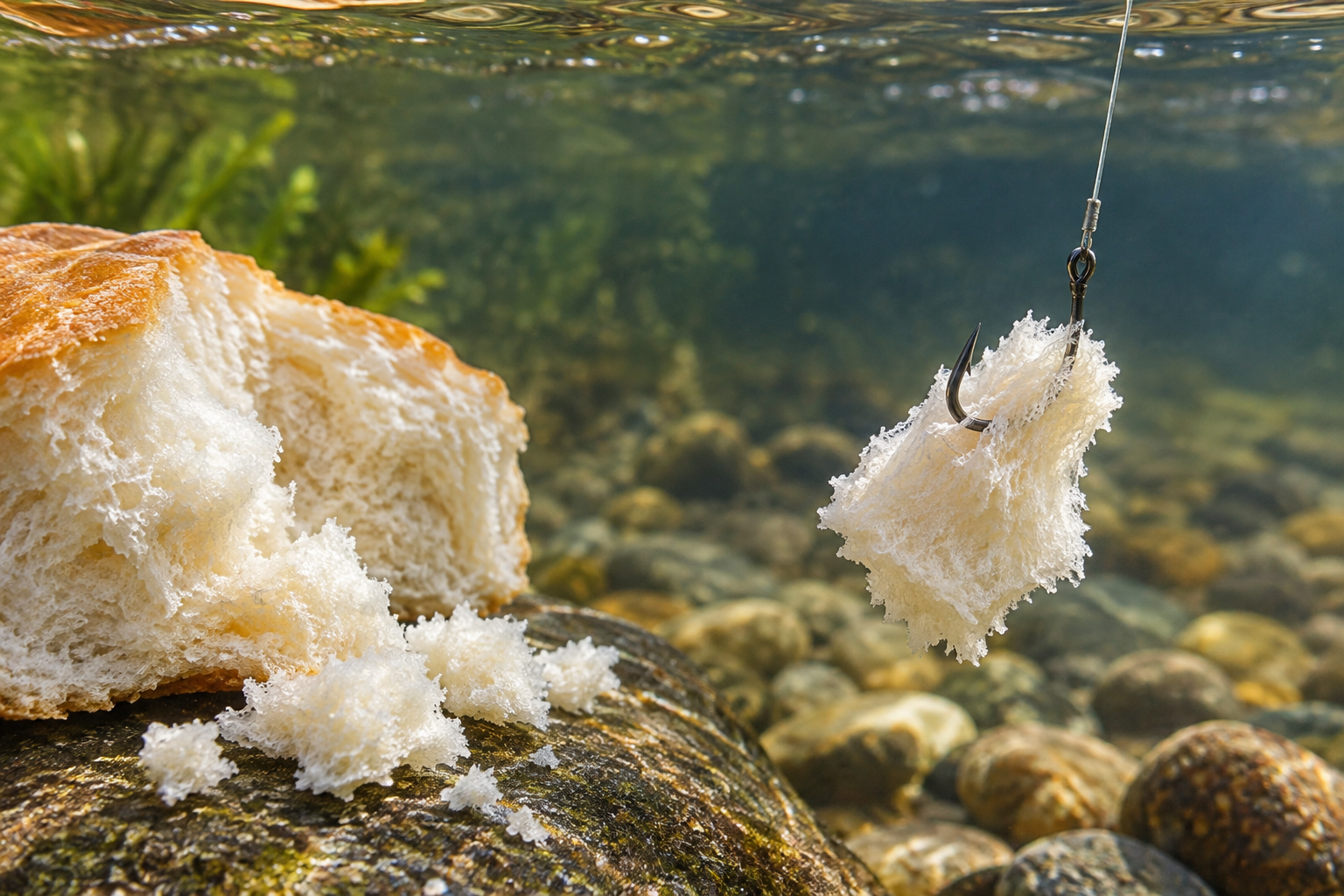
The Best Baits for Chub: What to Use and When
Discover the best baits for catching chub and when to use them. From bread and maggots to worms, cheese and pellets, this guide covers proven chub baits for UK rivers.
13 Sept 2026 · 5 min read
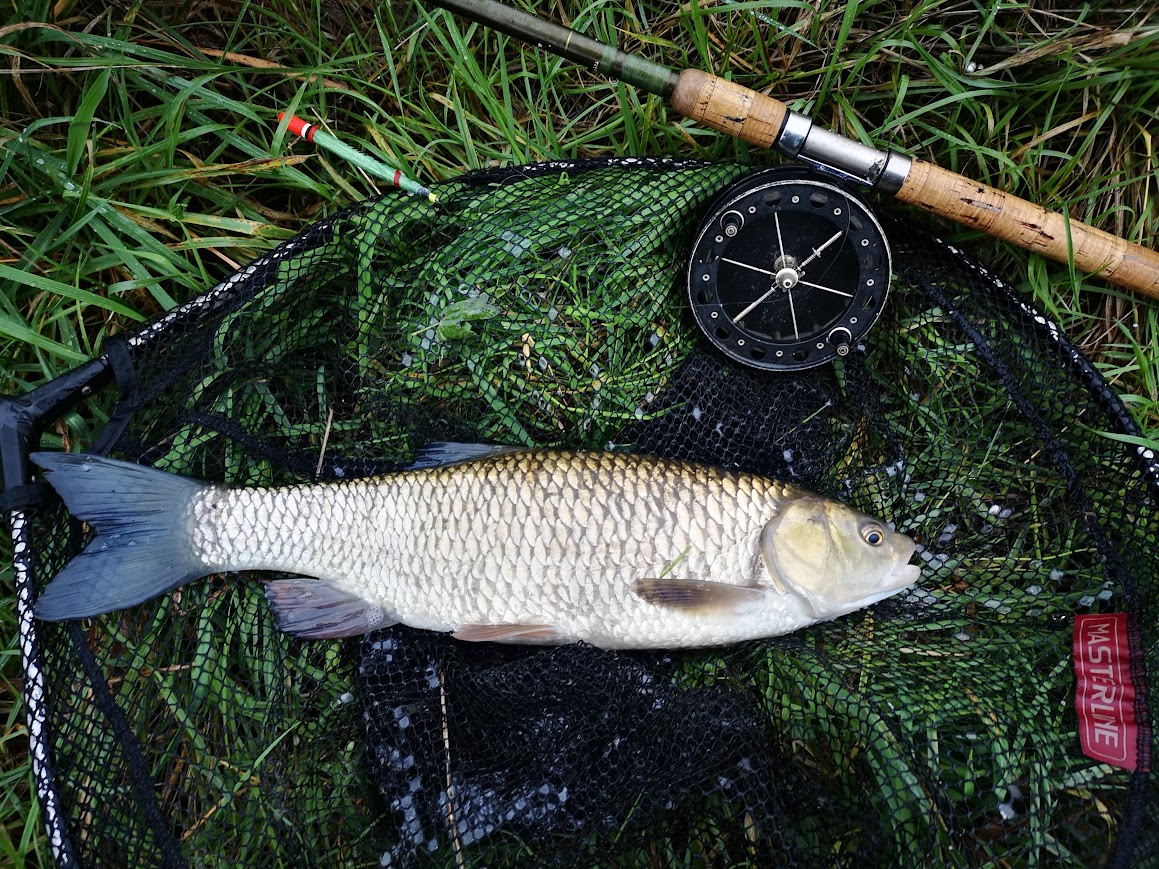
A Beginner’s Guide to Chub Fishing
Learn how to catch chub with this beginner-friendly guide. Discover where to find chub, the best baits to use and simple float, ledger and surface fishing techniques.
13 Sept 2026 · 5 min read
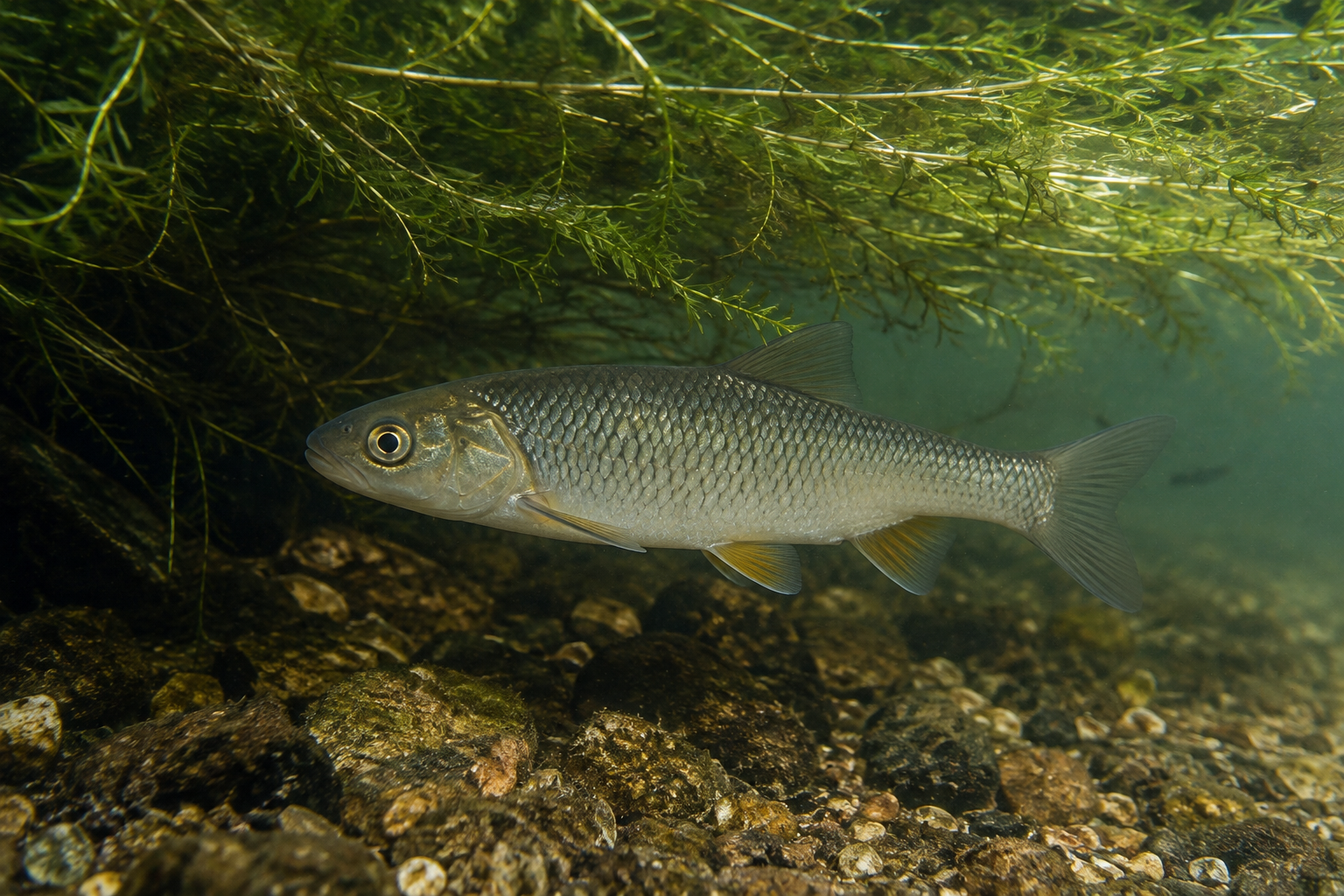
Dace Fishing: A Simple Guide to Catching River Dace
Learn how to catch dace on rivers with this simple guide covering the best baits, tackle, swims, feeding techniques and how to trot a float for this fast, hard-fighting coarse fish.
3 Sept 2026 · 5 min read