Discover the best baits for catching chub and when to use them. From bread and maggots to worms, cheese and pellets, this guide covers proven chub baits for UK rivers.
13 September 2026 · 5 min read
Some links in this guide are affiliate links. If you buy through them we may earn a small commission at no extra cost to you — it never influences what we recommend.
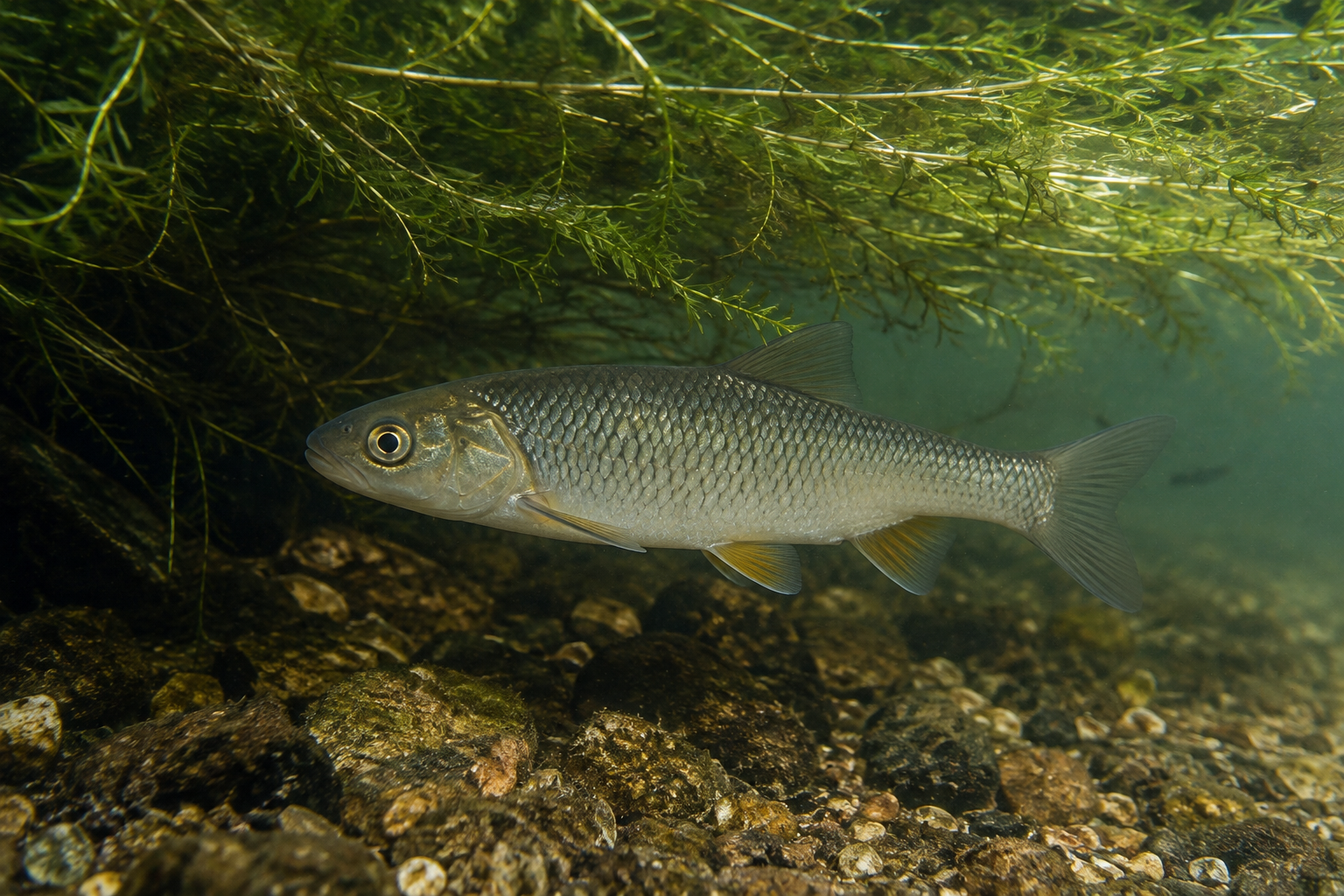
Chub are among the least fussy feeders in British rivers. They will eat everything from tiny aquatic insects to small fish, and anglers can catch them using an equally varied selection of baits. Maggots, bread, worms, cheese, meat and pellets are all capable of producing excellent chub.
Having plenty of choices can actually make things more confusing for a beginner. In reality, you don't need a tackle bag full of different baits. A handful of proven options will cover almost every situation.
The important part is understanding when and how to use each bait.
Advertisement
Tackle worth buying
Shop rods, reels, terminal tackle and more at Total Fishing Tackle.
If I had to choose just one traditional chub bait, bread would be difficult to beat. It's inexpensive, readily available and can be presented in several different ways.
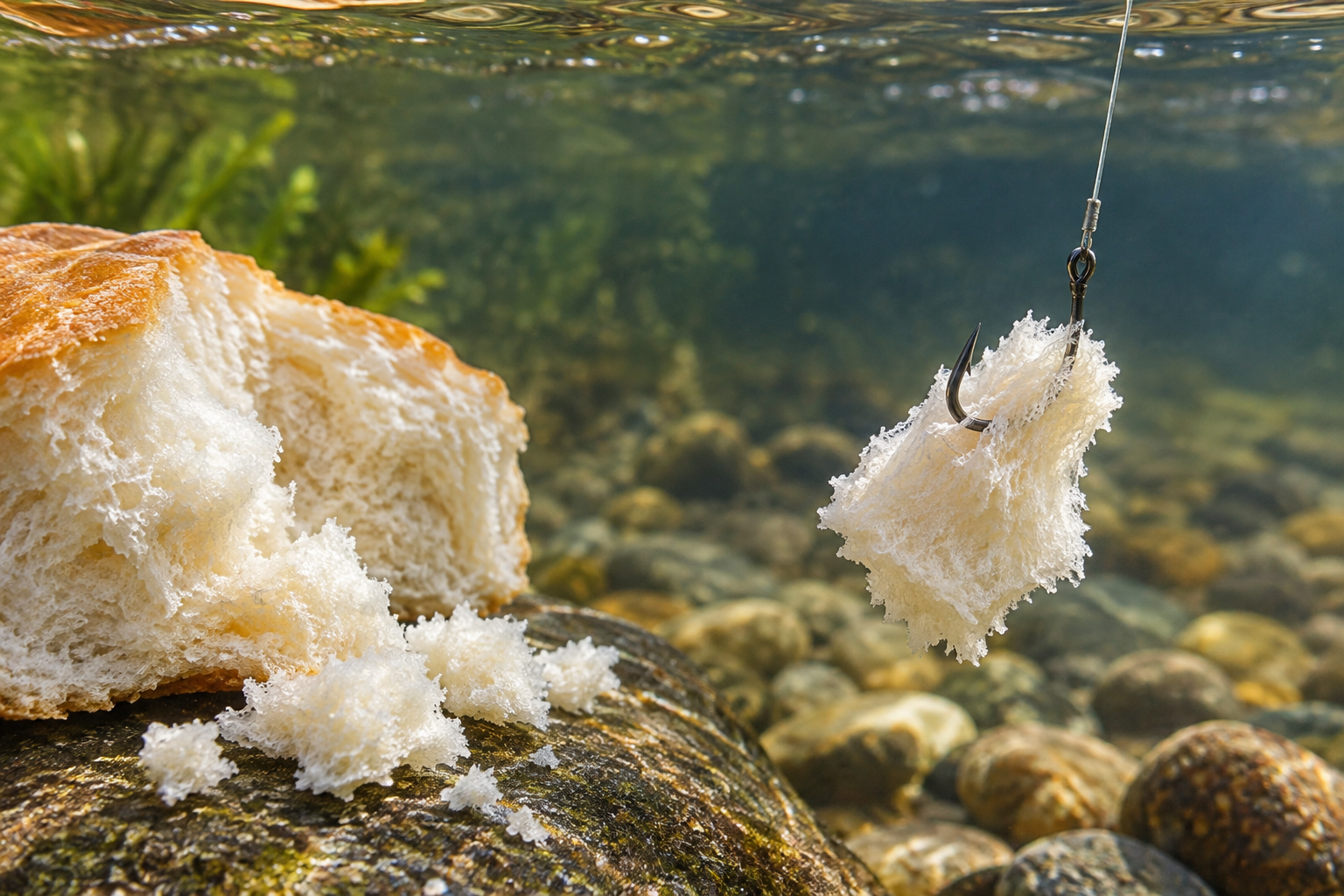
Bread flake makes an excellent hook bait when ledgering. Tear off a piece of fresh white bread, fold it around the hook shank and gently squeeze only the section surrounding the hook. Leave the remainder fluffy rather than compressing the entire piece into a hard ball.
Once underwater, the bread expands and creates a highly visible bait with plenty of movement.
Bread can also be mashed and introduced as loose feed. However, don't put too much into a small river. A little bread can attract chub without filling them up.
One of the most exciting techniques is floating bread. During warmer weather, introduce small pieces upstream and allow them to drift naturally towards likely chub holding areas. Once fish begin confidently taking the free offerings, introduce your hook bait amongst them.
Large chub cautiously approaching a piece of floating bread can make for particularly exciting fishing.
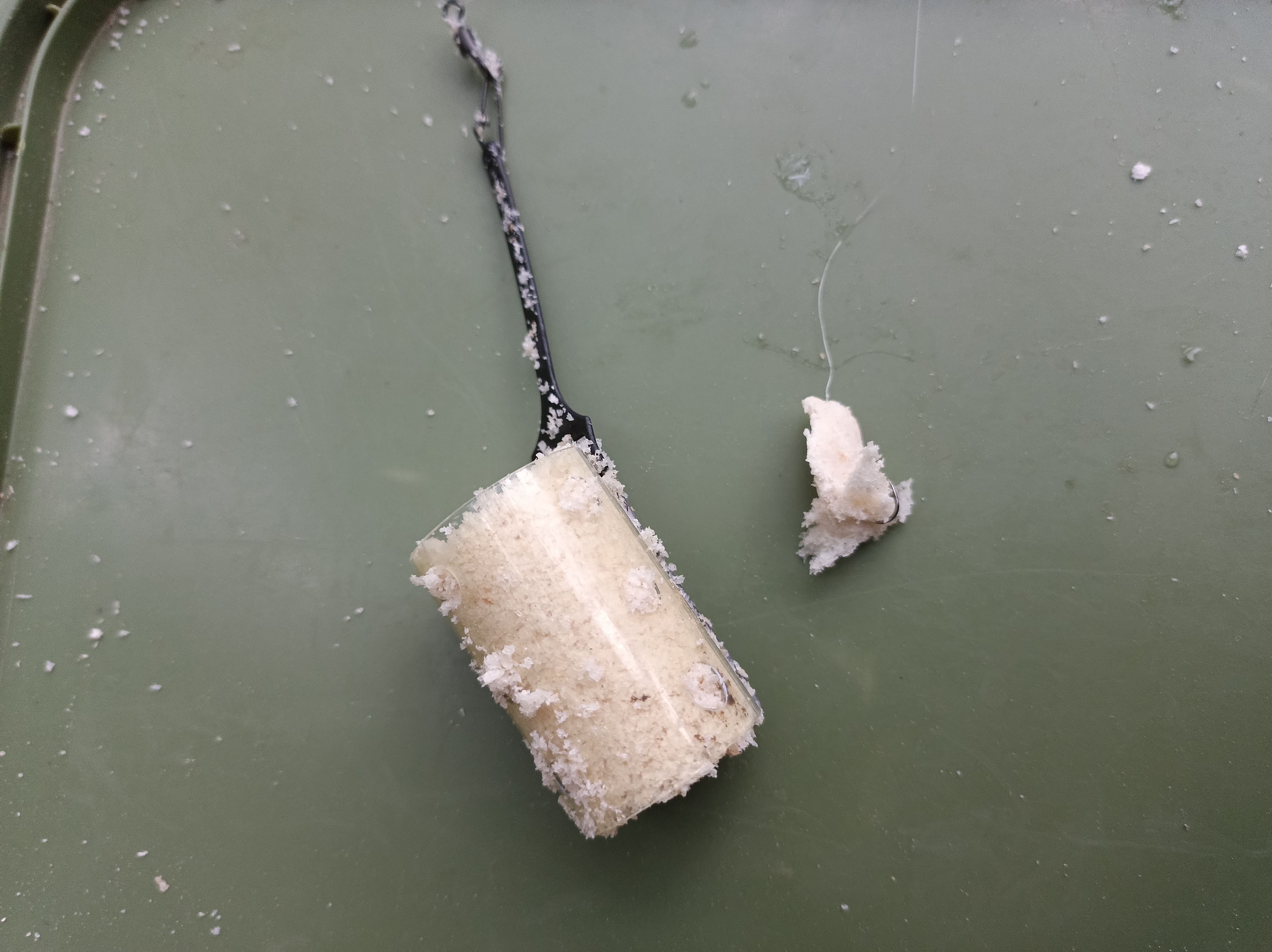
Open end swimfeeder full with liquidised bread and flake on the hook.
2. Maggots
Maggots are another exceptionally reliable chub bait and are particularly useful when trotting a float.
Their biggest advantage is the ability to build a swim gradually.
Rather than throwing in large handfuls, regularly introduce a small number of maggots. The current carries them downstream, creating a steady trail of food. Chub sitting farther down the swim may gradually move upstream to investigate.
Your hook bait should then travel naturally amongst the loose feed.
Depending on the size of fish you're targeting, one or several maggots can be placed on the hook. Using multiple maggots produces a larger, more visible bait and can sometimes help when smaller fish are intercepting single maggots.
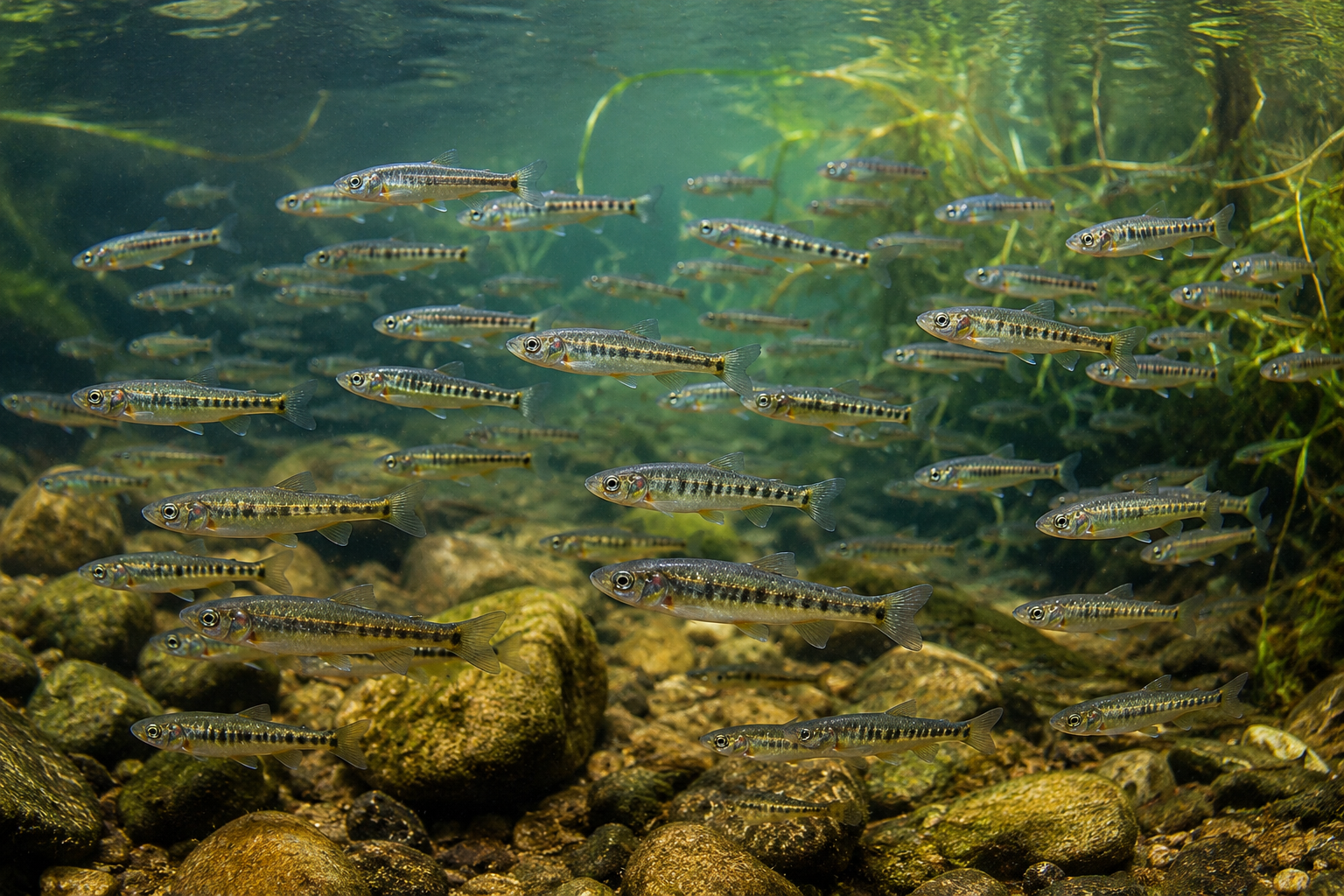
Maggots aren't selective, however. Roach, dace, perch and other species will happily take them too. On rivers containing lots of small fish, switching to a larger bait may give you a better chance of specifically targeting chub.
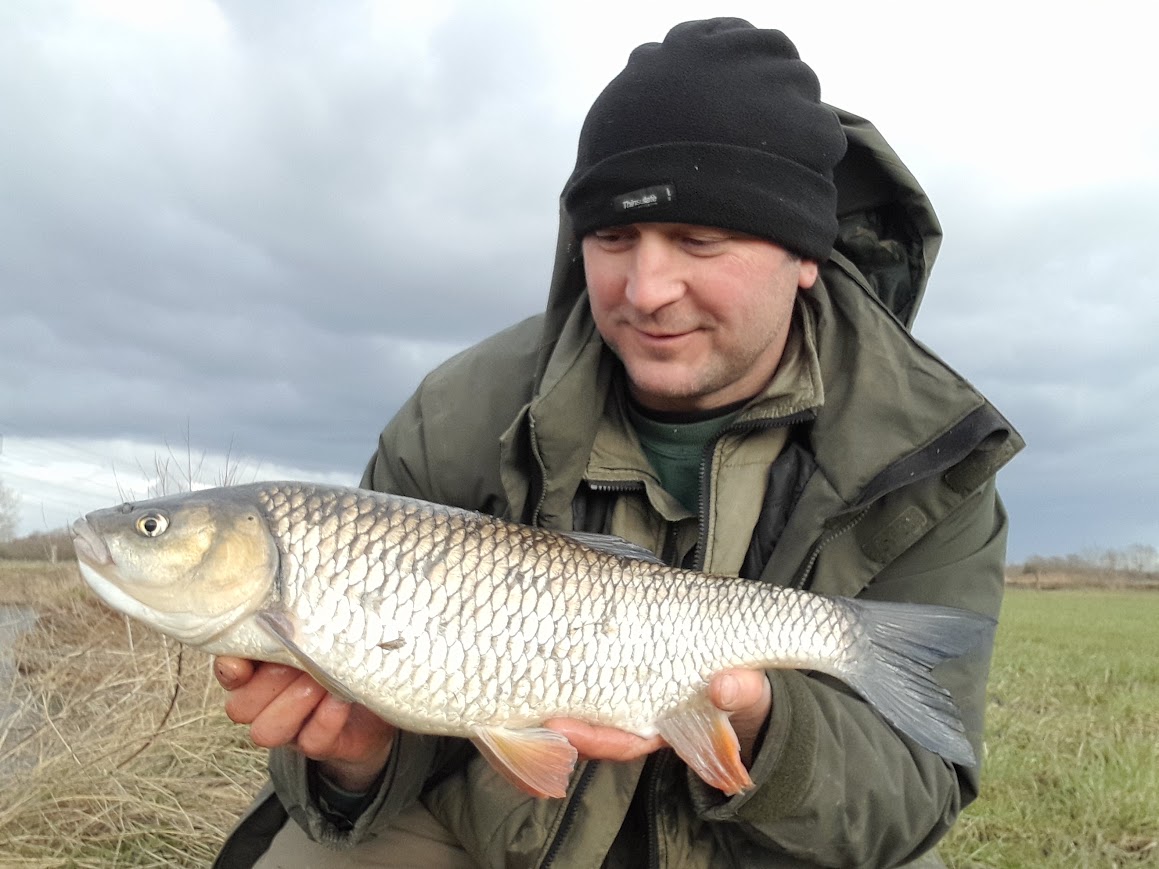
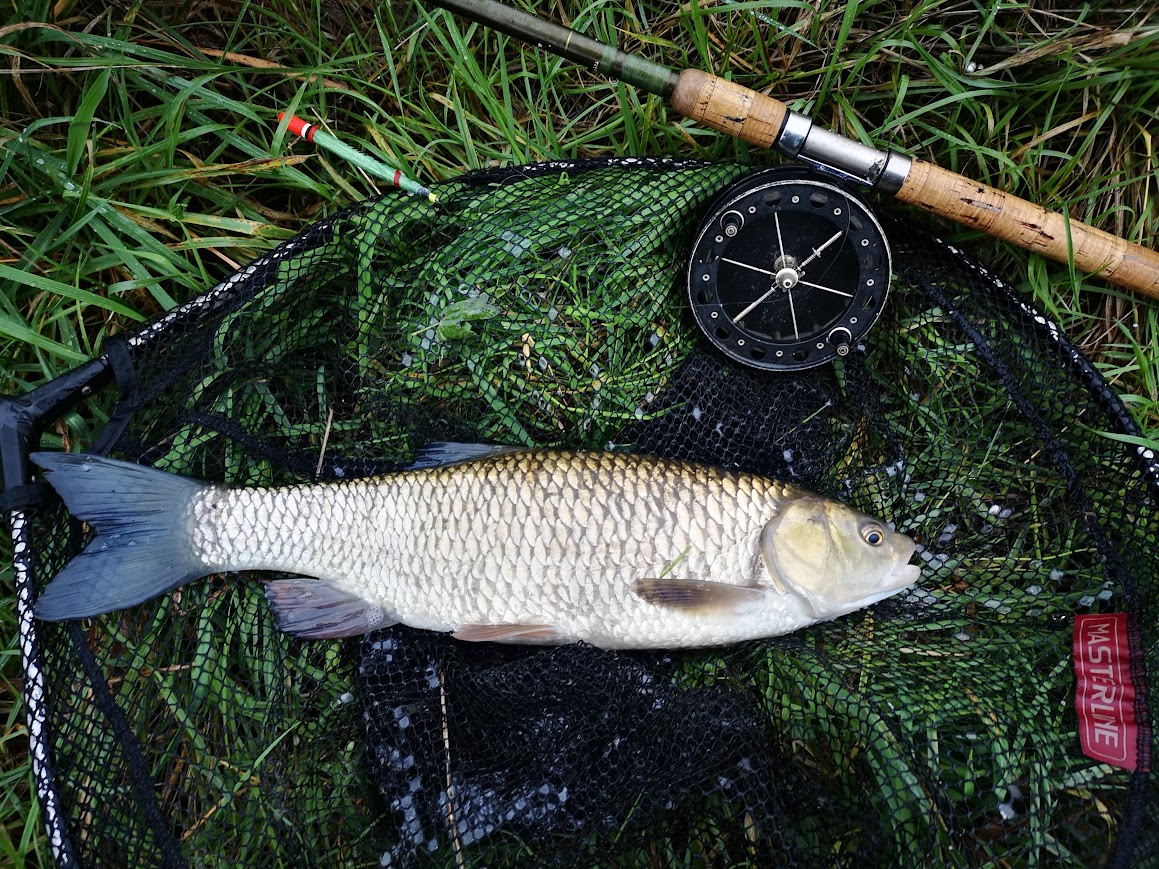
Trotting bread flake can be deadly in winter
3. Worms
Worms are one of the most natural chub baits available and can be particularly effective when rivers are carrying additional water.
After heavy rain, worms and other invertebrates naturally get washed into rivers. Chub are accustomed to taking advantage of this sudden supply of food.
Lobworms provide a substantial hook bait capable of attracting larger fish, while smaller dendrobaenas can be used whole or in sections.
Don't necessarily hide the entire hook inside the worm. Leaving some of the hook point exposed can improve your chances of successfully hooking the fish.
Worms are especially useful when ledgering close to cover, along deeper margins or around areas where faster water meets a slack.
They're another bait that will attract plenty of other species, particularly perch, but that's rarely a bad problem to have.
4. Sweetcorn
Sweetcorn is simple, inexpensive and highly visible underwater. One or two grains can be presented on the hook while additional grains are introduced as loose feed. Its bright yellow colour makes it particularly noticeable in slightly coloured water.
Sweetcorn works well when float fishing and ledgering and can also be combined with other baits.
Chub living in rivers regularly fished for barbel and carp are often already accustomed to eating corn, pellets and other anglers' baits. In these situations, sweetcorn can be especially effective.
As with all loose feed, use it sensibly. On a small river containing relatively few fish, repeatedly throwing handfuls of corn into the swim can quickly reduce your chances of getting a bite.
Drennan
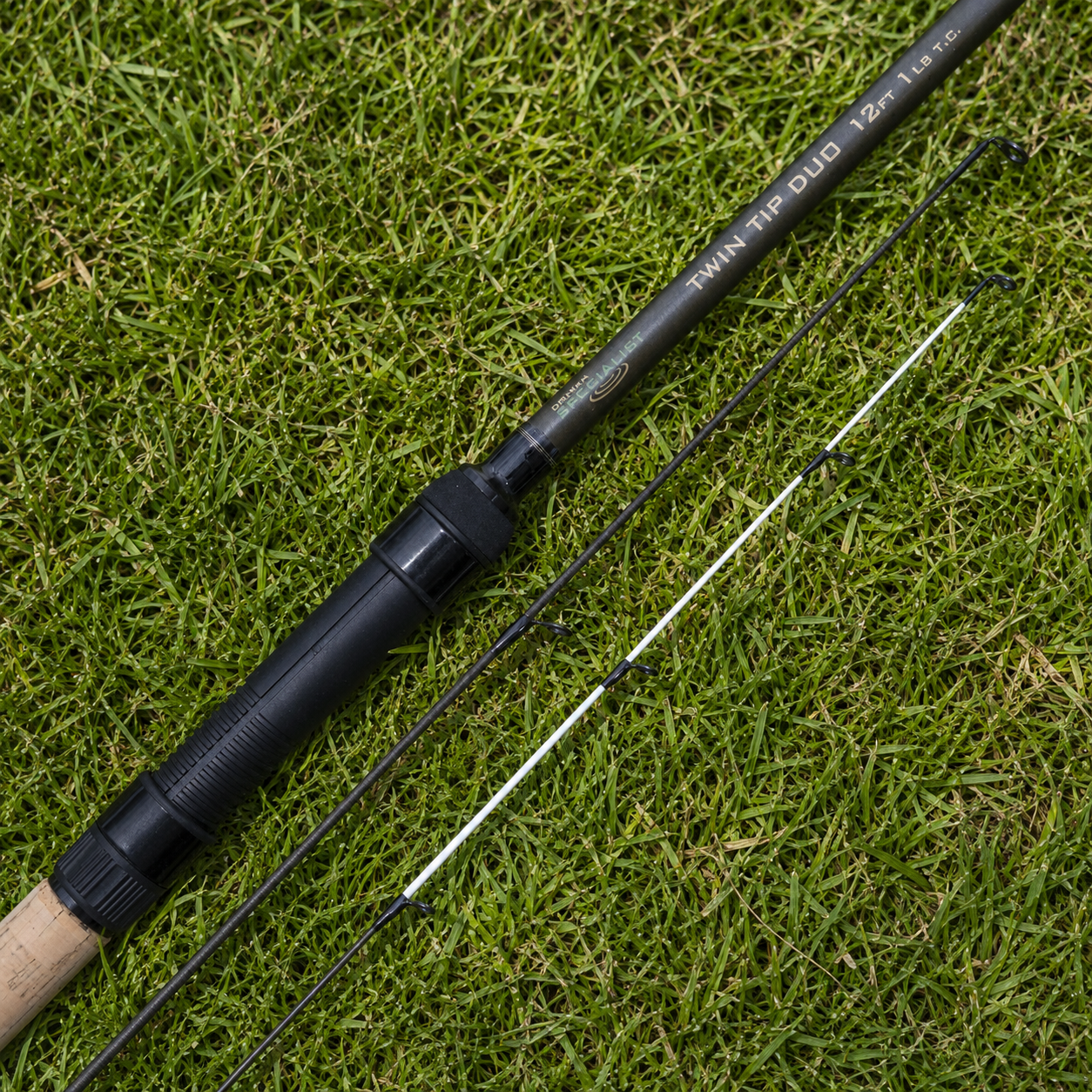
Drennan - Specialist Twin Tip Duo Rod
A versatile 12ft specialist rod supplied with interchangeable tip options, making it suitable for a wide range of coarse fishing. The 1.25lb test curve provides a good balance of sensitivity and control for targeting species such as chub, tench, bream and barbel in lighter conditions.
Best for: Versatile specimen fishing for chub, tench, bream and light barbel fishing.
88/100Our verdict score
What we like
✓Versatile twin-tip design
✓Sensitive enough for shy bites
✓Good balance of power and finesse
✓Suitable for both rivers and stillwaters
✓Trusted Drennan build quality
Worth knowing
−1.25lb test curve is relatively light for larger barbel or heavy snag fishing
−More specialised than a conventional all-round feeder rod
Prices checked 29 Aug 2026. We may earn a commission if you buy through these links — it never changes what we recommend.
6. Luncheon Meat
Luncheon meat isn't just a barbel bait. Chub are perfectly capable of taking substantial cubes of meat, and it can be especially effective when targeting larger fish.
Its strong smell and high oil content help it stand out in coloured water.
Meat is usually fished on the bottom using a ledger rig, although smaller pieces can also be presented beneath a float.
One of its biggest advantages is selectivity. A decent cube of meat is much harder for tiny silverfish to eat than a maggot, giving a chub more opportunity to find the bait.
The downside is that soft meat can easily fly off during casting. Hooking it carefully, using a hair rig or securing it with a small bait stop can help.
7. Pellets
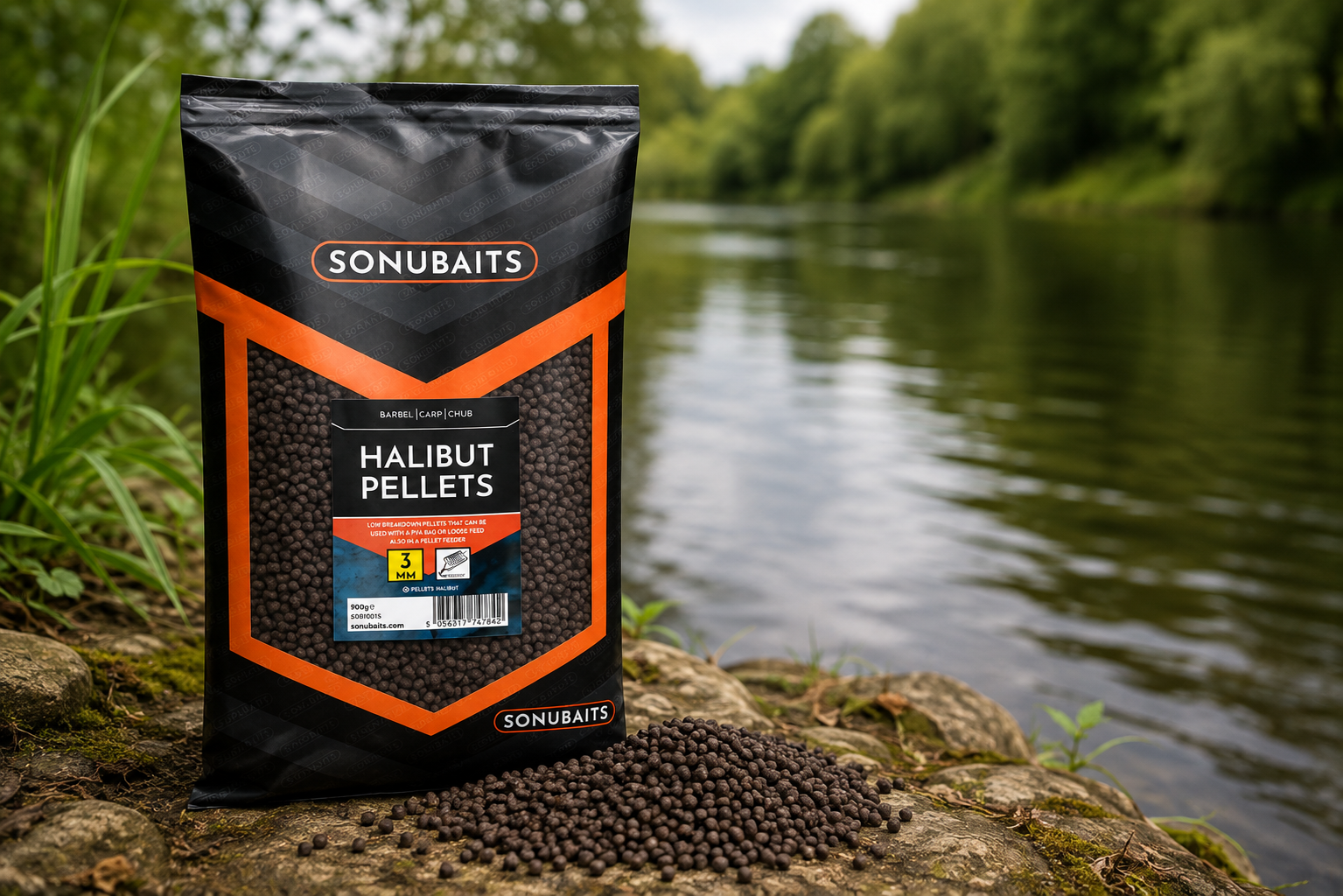
Pellets have become an increasingly normal part of a chub's diet, particularly on rivers that receive plenty of angling pressure.
Chub are opportunistic. If anglers regularly introduce pellets while fishing for barbel, carp or other coarse fish, the resident chub soon learn that they're food.
Smaller pellets can be introduced through a feeder or mixed into groundbait, while larger pellets can be used directly as hook baits.
Pellets are particularly useful when fishing rivers where chub and barbel live alongside one another. Don't be surprised if a session targeting chub produces a barbel as a bonus.
Matching the Bait to the Conditions
There isn't one chub bait that's best in every situation. During warmer weather, I'd be inclined to use maggots for trotting and bread for surface fishing or stalking. Both allow you to actively search for fish rather than waiting for them to find you.
When temperatures fall, larger stationary baits become increasingly useful. Bread flake, cheese paste, worms and meat can all be ledgered in likely holding areas.
River conditions matter too. When the water is clear, natural presentation and stealth become particularly important. After rainfall, when the river becomes coloured and carries extra water, larger baits producing plenty of scent can become much more effective.
Don't overlook what other anglers are doing either. On heavily fished stretches, chub may regularly encounter pellets, boilies, corn and other modern baits. On quieter rivers, simple natural baits can be all that's required.
Don't Overfeed Chub
One of the easiest mistakes to make is putting too much bait into the river.
This is particularly important on smaller rivers.
You might only have a handful of decent chub sitting in a swim. Introducing large quantities of food gives those fish plenty to eat without ever needing to pick up your hook bait. Little and often is generally a much better approach.
When trotting maggots, for example, regularly feeding a small pinch creates continuous competition without overwhelming the fish. When stalking with bread, introduce a few pieces and watch how the chub respond before adding more.
The behaviour of the fish should determine what you do next.
Sonubaits
Sonubaits - Halibut Pellets
A reliable high-protein pellet designed for barbel, carp and chub. Sonubaits Halibut Pellets can be used as loose feed, through a feeder or alongside a matching hook bait, making them a useful choice for both river and stillwater fishing.
Best for: Barbel, chub and carp fishing on rivers and stillwaters.
88/100Our verdict score
What we like
✓Good attraction for barbel, carp and chub
✓Versatile for feeders, loose feed and PVA
✓Strong fishmeal-based scent
✓Available in useful pellet sizes
✓Good value for regular fishing
Worth knowing
−Can attract smaller fish in some venues
−Fishmeal pellets may be less effective in very cold water
−Not always the best choice where fish see heavy pellet pressure
Prices checked 19 Oct 2026. We may earn a commission if you buy through these links — it never changes what we recommend.
Which Chub Bait Should a Beginner Choose?
For someone starting chub fishing, I'd keep things extremely simple. Take maggots and a loaf of fresh white bread.
Maggots give you an excellent bait for float fishing and allow you to steadily feed a swim. Bread gives you several completely different options: bread flake can be ledgered, mashed bread can be used as feed, and crust can be floated on the surface.
Between the two, you can fish almost any typical chub swim. Once you've gained some experience, start experimenting with worms, cheese, meat, pellets and other baits. You'll soon discover that particular rivers — and sometimes individual stretches of the same river — seem to respond better to certain approaches.
Ultimately, the best chub bait is the one presented in front of a feeding fish. Learning where chub are likely to be and how they behave in different conditions will catch you far more fish than continually searching for a secret bait.
Get the location, feeding and presentation right, and chub are usually more than willing to cooperate.