Learn how to catch chub with this beginner-friendly guide. Discover where to find chub, the best baits to use and simple float, ledger and surface fishing techniques.
13 September 2026 · 5 min read
Some links in this guide are affiliate links. If you buy through them we may earn a small commission at no extra cost to you — it never influences what we recommend.
Chub are one of the most widespread and enjoyable coarse fish to target in the UK. They can be caught from tiny streams, slow-moving rivers and large, powerful waterways, and they are willing to take an impressive variety of baits. Small chub provide excellent sport on light tackle, while a large chub is a powerful fish capable of testing considerably heavier equipment.
For a beginner, chub fishing is particularly accessible because you don't need a huge amount of specialised tackle. A simple float or ledger setup, a few reliable baits and some basic knowledge of where chub are likely to be holding can be enough to start catching fish.
Advertisement
Tackle worth buying
Shop rods, reels, terminal tackle and more at Total Fishing Tackle.
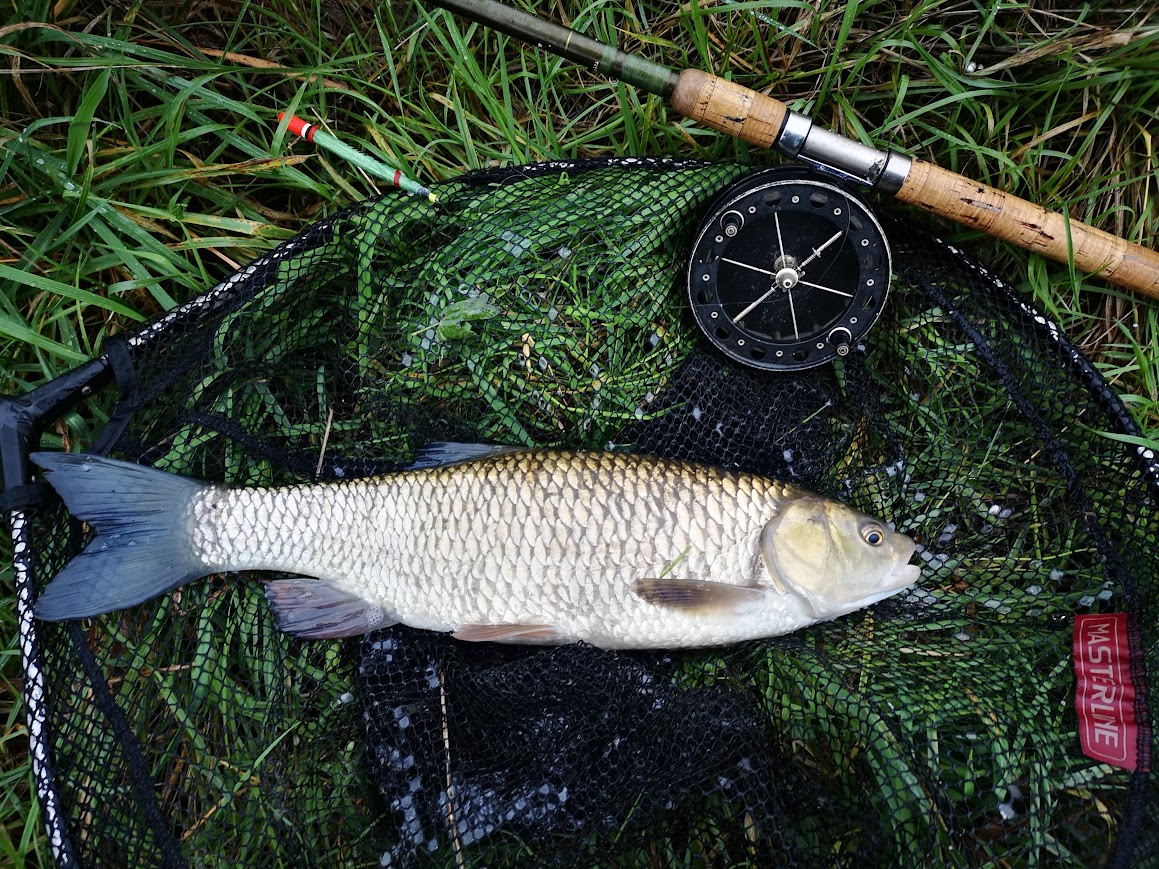
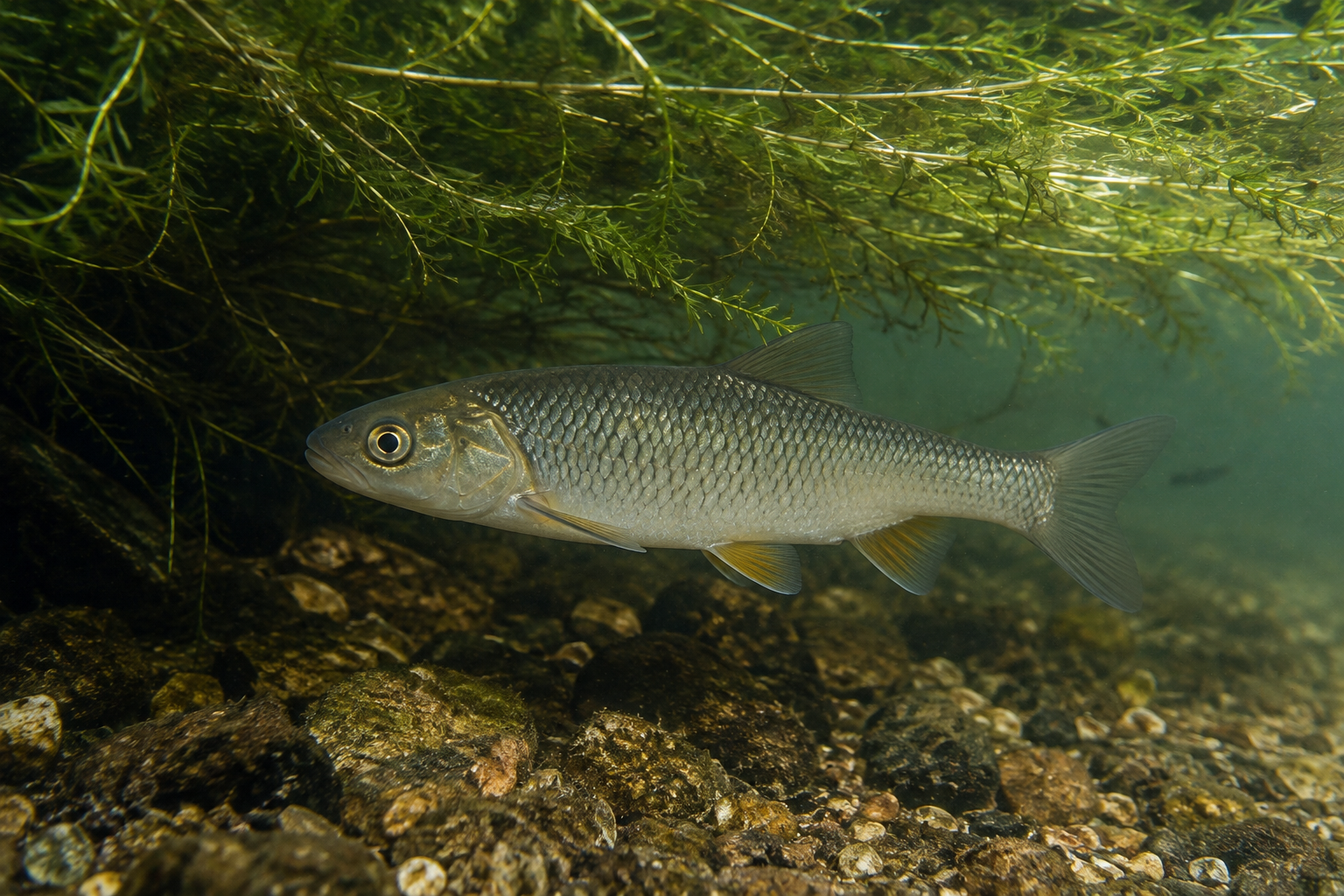
The European chub (Squalius cephalus) is a member of the carp family and is easily recognised by its broad head, large mouth and chunky body. Larger specimens can be surprisingly impressive fish, particularly when caught from relatively small rivers.
Chub are opportunistic feeders. Their natural diet includes aquatic insects, larvae, worms, snails, small crustaceans and, as they grow larger, small fish. They will also readily eat food introduced by anglers, which explains why baits as varied as maggots, bread, cheese, luncheon meat and pellets can all catch them.
Finding chub is often more important than choosing the perfect bait. They particularly like areas where they have access to both food and cover. Overhanging trees, rafts of debris, weed beds, bridge supports, undercut banks and deeper pools are all worth investigating.
Look carefully before you start fishing. On clear rivers it is sometimes possible to spot chub holding beneath cover or moving in and out of faster water. Polarised glasses can make this considerably easier by reducing surface glare.
One of the classic chub swims is where fast water runs alongside a slower area. Food is carried down by the current while the fish can sit just outside the strongest flow and move across to intercept it.
Float Fishing for Chub
Float fishing is one of the most enjoyable ways to catch chub and an excellent technique for beginners. It allows you to cover a reasonable amount of water while presenting the bait naturally with the current.
On smaller and medium-sized rivers, a stick float or Avon-style float is a good starting point. The exact tackle depends on the river, but the most important consideration is having equipment strong enough to prevent a hooked chub reaching nearby snags.
Maggots are particularly effective when float fishing. Rather than introducing a large amount of bait at once, regularly feeding a few maggots into the swim can encourage chub to compete for food. Your hook bait then travels through the swim amongst the loose feed.
Sweetcorn, casters and small pieces of bread can also work well.
Try to make the hook bait travel at roughly the same speed as the loose feed. Occasionally holding the float back slightly can cause the bait to rise from the bottom before falling again when the float is released. This change of movement can sometimes trigger a bite.
Don't assume all chub are sitting on the riverbed. During warmer weather they may feed surprisingly high in the water, particularly beneath trees where insects naturally fall onto the surface.
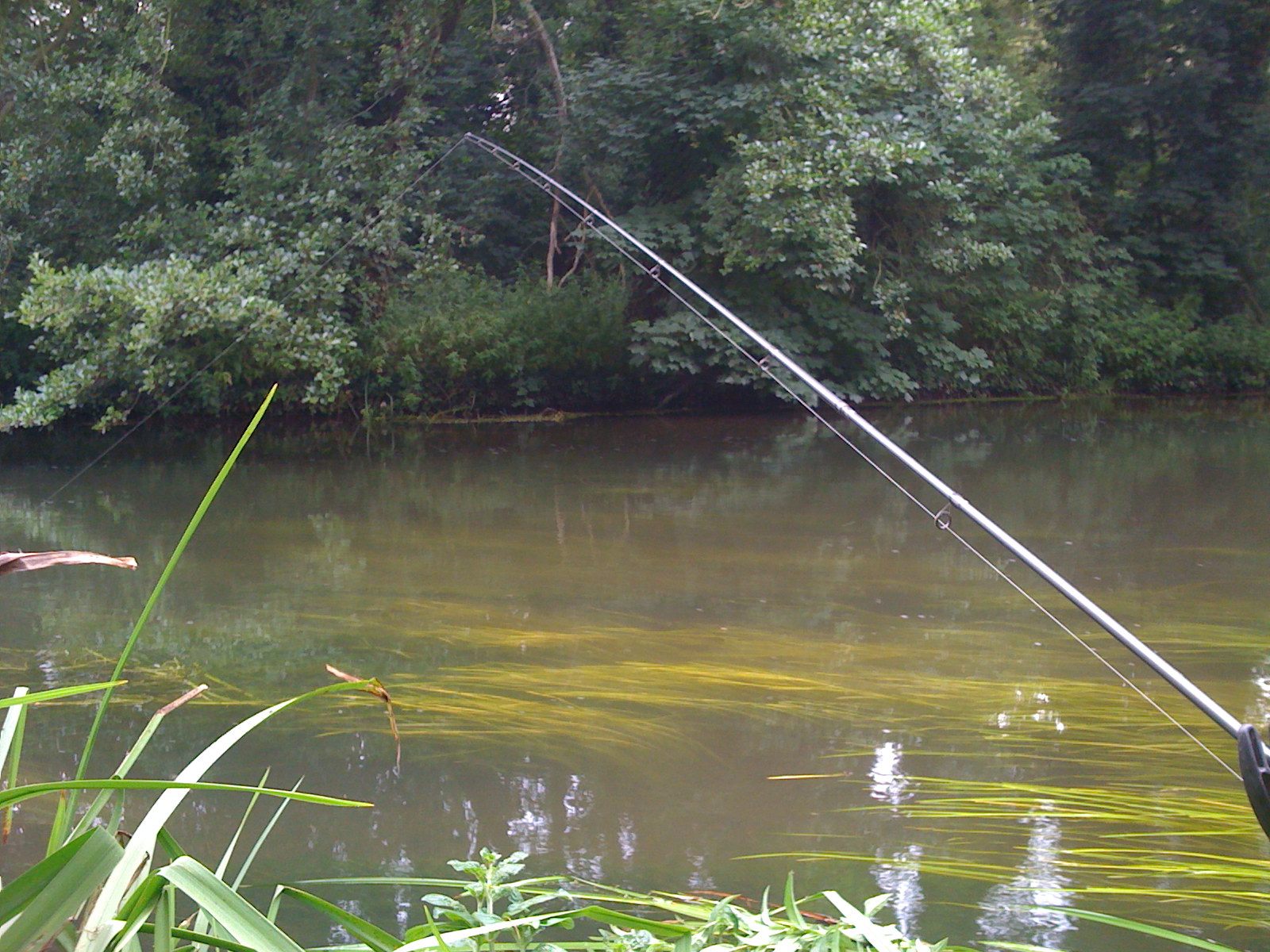
Ledger fishing on rivers can be a waiting game at times
Ledgering and Feeder Fishing
When the river is deeper, faster or carrying extra water, ledgering can be a more practical approach. A simple running ledger rig is often all that is required. The weight should be heavy enough to hold the bait in position without constantly moving downstream. Alternatively, a small cage or open-end feeder allows you to introduce groundbait or other loose feed close to the hook bait.
Chub bites can be surprisingly aggressive, but this isn't always the case. Larger fish in heavily fished rivers can give delicate indications before properly taking the bait. For this reason, a quivertip rod is particularly useful. Position the rod so that you can clearly see the tip and avoid putting excessive tension through the line. A slight knock followed by a positive pull around is a classic chub bite.
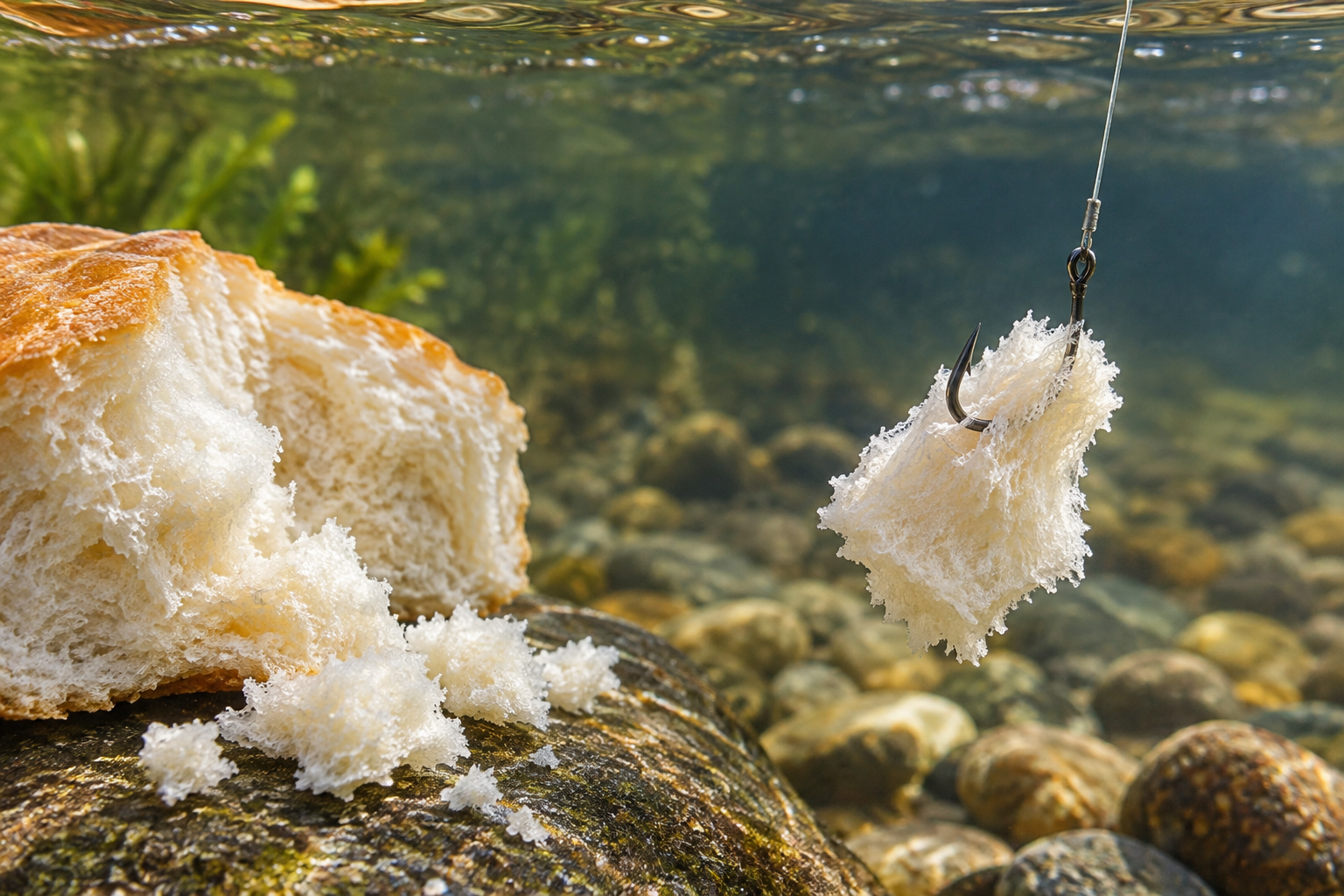
Bread is an excellent ledgering bait. A generous piece of bread flake can be squeezed around the hook shank while leaving the rest soft and fluffy. As it absorbs water it becomes extremely attractive to chub.
Cheese, luncheon meat, worms, pellets and boilies can also produce excellent results. Don't be afraid of using a reasonably large bait. A sizeable chub has a very large mouth and is perfectly capable of taking substantial offerings.
Drennan
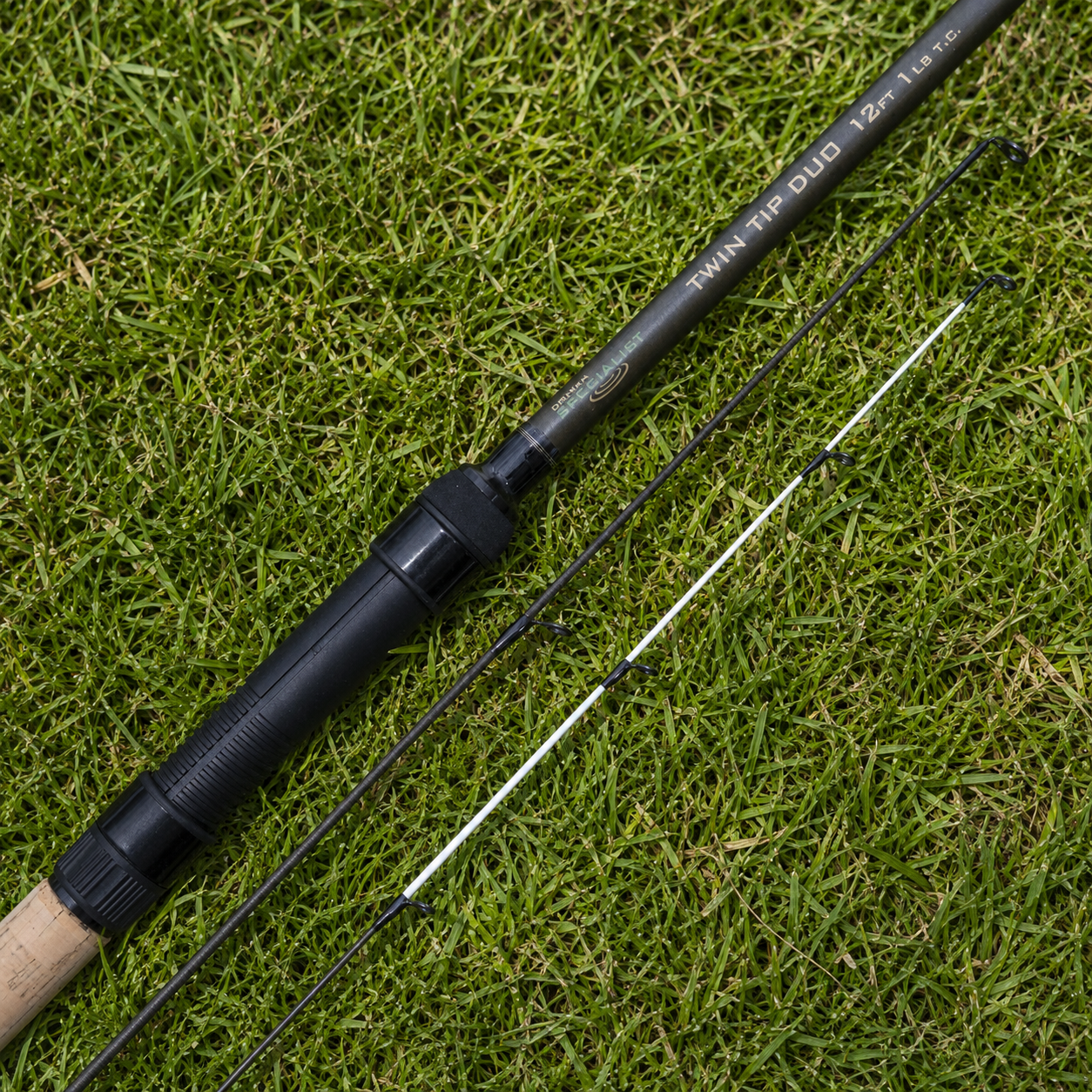
Drennan - Specialist Twin Tip Duo Rod
A versatile 12ft specialist rod supplied with interchangeable tip options, making it suitable for a wide range of coarse fishing. The 1.25lb test curve provides a good balance of sensitivity and control for targeting species such as chub, tench, bream and barbel in lighter conditions.
Best for: Versatile specimen fishing for chub, tench, bream and light barbel fishing.
88/100Our verdict score
What we like
✓Versatile twin-tip design
✓Sensitive enough for shy bites
✓Good balance of power and finesse
✓Suitable for both rivers and stillwaters
✓Trusted Drennan build quality
Worth knowing
−1.25lb test curve is relatively light for larger barbel or heavy snag fishing
−More specialised than a conventional all-round feeder rod
Prices checked 29 Aug 2026. We may earn a commission if you buy through these links — it never changes what we recommend.
Surface Fishing and Stalking Chub
During summer, chub can often be found close to the surface, particularly beneath overhanging trees and around areas of slack water.
Floating bread is one of the simplest and most effective ways to target these fish.
Rather than immediately casting at a chub, throw a few small pieces of bread into the river and watch what happens. Allow the current to carry them naturally through the swim. Chub can initially be cautious, particularly in clear water, but their confidence often increases once they have taken several free offerings.
When the fish are feeding confidently, introduce a piece of bread containing your hook.
Watching a large chub rise and engulf your bait is one of the most exciting moments in coarse fishing. Try not to strike the instant you see the fish approach. Allow it to properly take the bread before tightening into it.
Stealth makes a considerable difference when stalking chub. Avoid standing directly on the skyline, keep movement to a minimum and approach the water quietly. On small clear rivers, careless footsteps or a shadow passing across the water can be enough to send the fish underneath cover.
Playing and Landing a Chub
Hooking the fish is only part of the challenge. A chub's first reaction is often to head directly towards the nearest piece of cover. If you're fishing beside tree roots, weed or an undercut bank, you may need to apply firm pressure immediately.
This is why fishing unnecessarily light tackle around snags is a bad idea. Stronger line gives you greater control and can actually be safer for the fish because you are less likely to break off and leave it trailing tackle. Once the initial run has been controlled, chub generally become easier to play in open water. Keep steady pressure on the fish and avoid rushing the final stages.
A landing net should always be used for larger chub. Once landed, place the fish onto a suitable unhooking mat if it needs to be removed from the water. Wet your hands before handling it and have your forceps or disgorger ready so the fish can be returned quickly.
During warmer weather, minimise the amount of time the fish spends out of the water.
A Simple Approach to Your First Chub Session
For your first attempt at chub fishing, there is no need to make things complicated. Choose a river known to contain chub and spend some time exploring it before settling into a swim. Look for overhanging vegetation, deeper water, bridges, bends and obvious changes in current speed.
Bread and maggots are difficult to beat as beginner baits. They are inexpensive, widely available and have probably accounted for more chub than most specialist baits ever will.
If conditions allow, start by float fishing and feed small amounts regularly. If the river is too deep or powerful for comfortable float fishing, switch to a simple ledger or feeder setup.
Most importantly, be prepared to move.
Chub fishing can reward mobile anglers. If you have carefully fished a promising swim without any indication, walking another hundred metres and trying somewhere different can be far more productive than repeatedly casting into an empty swim.
As your confidence grows, you can experiment with different methods, larger baits and more specialised tackle. You may eventually find yourself stalking individual fish with floating bread, trotting a float beneath overhanging trees or sitting beside a flooded winter river waiting for the quivertip to pull around.
That variety is one of the great attractions of chub fishing. There is no single correct way to catch them, and the same species can provide completely different fishing experiences throughout the year. For a beginner wanting to learn river fishing, watercraft and fish location, few species provide a better place to start.