Dace Fishing: A Simple Guide to Catching River Dace
Learn how to catch dace on rivers with this simple guide covering the best baits, tackle, swims, feeding techniques and how to trot a float for this fast, hard-fighting coarse fish.
3 September 2026 · 5 min read
Some links in this guide are affiliate links. If you buy through them we may earn a small commission at no extra cost to you — it never influences what we recommend.
Tackle worth buying
Shop rods, reels, terminal tackle and more at Total Fishing Tackle.
How to Identify a Dace
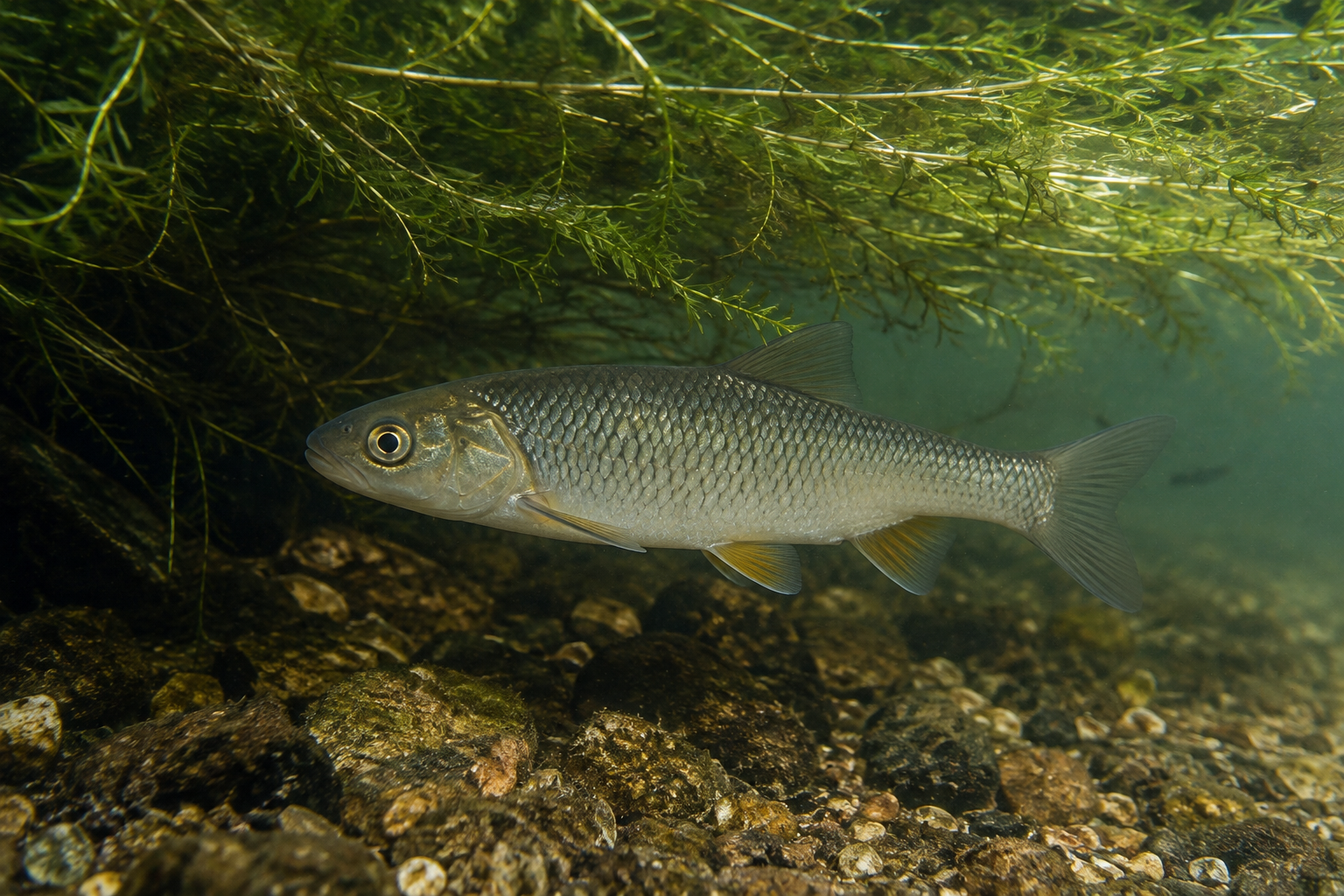
The common dace (Leuciscus leuciscus) is a streamlined silver fish perfectly suited to life in flowing water.
It has a relatively slender body, silver flanks and a darker grey-green back. The fins are generally pale, although the pelvic and anal fins can sometimes have a yellowish tint.
Dace are sometimes confused with small chub or roach.
Compared with a chub, a dace generally has a slimmer body and a more delicate appearance. One useful feature is the shape of the anal fin: in dace it is typically concave, while the anal fin of a chub is more rounded or convex.
Roach tend to have a deeper body and usually show more obvious red or orange coloration in the fins and eye.
Once you've caught a few dace, their streamlined shape becomes fairly easy to recognise.
Where Do Dace Live?
Dace are strongly associated with rivers and flowing water.
They particularly like clean, well-oxygenated stretches with a reasonable current, although they can also be found in slower rivers and occasionally other connected waters.
Classic dace swims include shallow gravel runs, smooth glides, the tails of pools and areas where faster water meets a steadier flow.
Bridges, weirs and other features that create changes in current can also hold fish.
During warmer conditions, dace may move into surprisingly shallow and fast water.
In winter, look towards deeper and steadier areas where the fish can conserve energy without completely leaving the flow.
What Do Dace Eat?
Dace are opportunistic feeders.
Their natural diet includes aquatic insect larvae, small crustaceans and other invertebrates, while they will also intercept insects and food particles travelling downstream.
For anglers, this makes them responsive to a range of traditional coarse fishing baits.
Maggots are probably the best all-round starting bait.
Red and bronze maggots are both effective, either singly or in pairs depending on the size of fish and how confidently they're feeding.
Casters can be particularly useful when you're trying to select slightly better dace from a shoal.
Other options include bread, small worms and hemp.
Dace will sometimes feed surprisingly high in the water, particularly when loose feed is regularly passing through the swim.
Simple Tackle for Dace Fishing
You don't need heavy equipment.
A 12–14ft float rod is ideal for many river situations, combined with a small fixed-spool reel.
Main line somewhere around 3–4lb breaking strain provides a sensible starting point, with a finer hooklength where conditions allow.
Hooks will depend on bait, but sizes around 18–20 are suitable for single and double maggot fishing.
The tackle should be balanced rather than excessively fine.
Although dace aren't large fish, they use the river current extremely well. Hook a good dace in fast water and it can put a surprising bend into a light float rod.
Trotting a Float for Dace
One of the best ways to catch dace is by trotting.
Trotting simply involves allowing a float and bait to travel downstream with the current while maintaining sufficient control to detect bites and strike effectively.
A stick float is an excellent choice for many dace swims.
Shot the rig so that the bait travels naturally through the water rather than being dragged unnaturally downstream.
Before fishing, establish the depth.
Dace don't always feed directly on the bottom, so it is worth experimenting. Start close to the riverbed and then try shallowing the rig if you suspect the fish are intercepting loose feed higher in the water.
Good float control is important.
Allow the float to travel naturally, but keep in contact with it. If a bow of loose line develops between your rod and float, you'll struggle to hit quick bites.
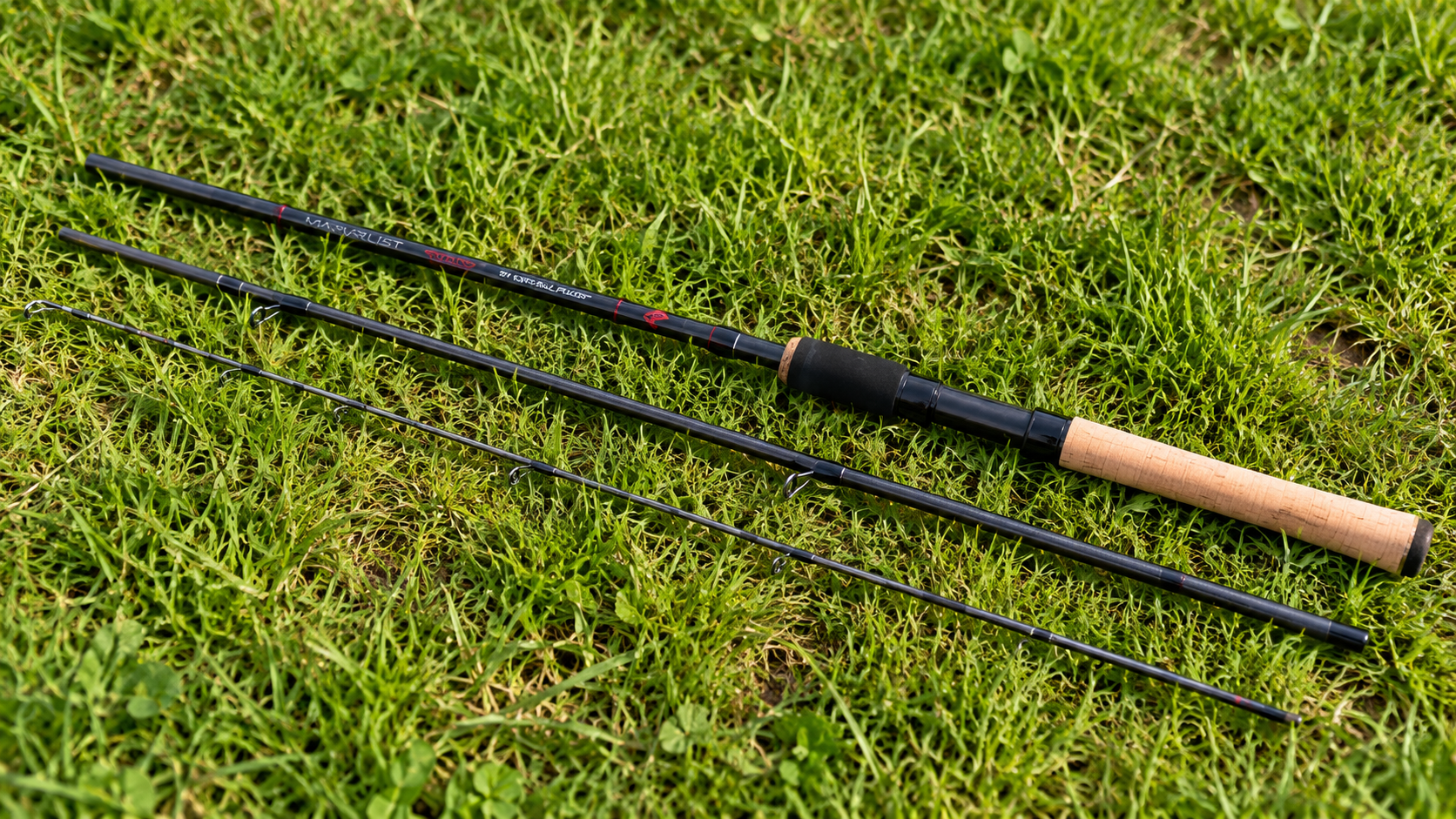
Nytro Marvelist Natural Float Rod
A slim and lightweight 40T carbon float rod developed in collaboration with former Float Fishing World Champion Tommy Pickering. Its crisp action provides excellent line and float control, while the softer tip cushions lighter hooklengths and helps reduce hook pulls when playing fish.
Best for: Traditional float fishing, silverfish, roach, dace, chub and light river or stillwater work
What we like
- Slim, lightweight 40T carbon blank
- Excellent line and float control
- Crisp, responsive action
- Soft tip helps protect lighter hooklengths
- Reduced risk of hook pulls
- Lightweight Minima-style guides
- Developed with Tommy Pickering
- Light and Medium actions available
- - Good current value at £87.99
Worth knowing
- Not intended for particularly heavy float fishing
- More expensive than some entry-level float rods
- - Anglers regularly targeting carp or larger barbel may prefer a more powerful rod
Prices checked 4 Oct 2026. We may earn a commission if you buy through these links — it never changes what we recommend.
Feeding Is the Key
If there is one part of dace fishing that deserves particular attention, it is feeding.
Dace often respond extremely well to small amounts of bait introduced frequently.
Rather than throwing in a large handful of maggots every 20 minutes, try feeding a small pinch before almost every cast.
The current carries the loose feed downstream, creating a trail that encourages dace to move into your swim and compete.
Your hook bait should then travel through roughly the same area as the loose offerings.
This is why accurate feeding matters.
Throwing maggots five metres to the left on one cast and five metres to the right on the next spreads the fish rather than concentrating them.
Little, often and accurate is a much better approach.
Bites Can Be Very Fast
Dace have a reputation for producing quick bites.
Your float may bury instantly before reappearing almost as quickly.
Sometimes you'll strike and connect with nothing.
That's part of dace fishing.
Keep your rod positioned so you can react quickly and avoid allowing excessive slack line to develop.
If you're missing large numbers of bites, experiment with your shotting pattern, depth and hook size rather than simply striking harder.
You may also find that the fish have moved higher in the water as they compete for your loose feed.
Finding Bigger Dace
Catching dace is one thing. Finding the better fish can be rather different.
Larger dace may be mixed among smaller fish, but they can also occupy slightly different parts of a swim.
Try fishing towards the end of your trot, along deeper channels or around changes in flow.
Changing bait can also help.
If small dace are attacking single maggots immediately, two maggots, a caster or a small piece of bread may occasionally pick out a better fish.
Don't automatically assume every larger fish you hook is a chub either. A good dace can fight remarkably well in strong current.
Dace Fishing in Winter
Dace can provide excellent winter river fishing.
As temperatures fall, fish often gather into larger shoals in suitable areas.
Look for deeper glides and steady water, particularly where there is still enough current to bring food naturally to the fish.
Scale your feeding back.
The principle of little and often still applies, but the actual quantity may need to be considerably smaller than during summer.
On a cold day, a few maggots regularly introduced into the right swim can be much more effective than heavy feeding.
Handle Dace Carefully
The monthly catch-up
One email a month: new guides, tackle worth buying and waters we've fished.
Related guides
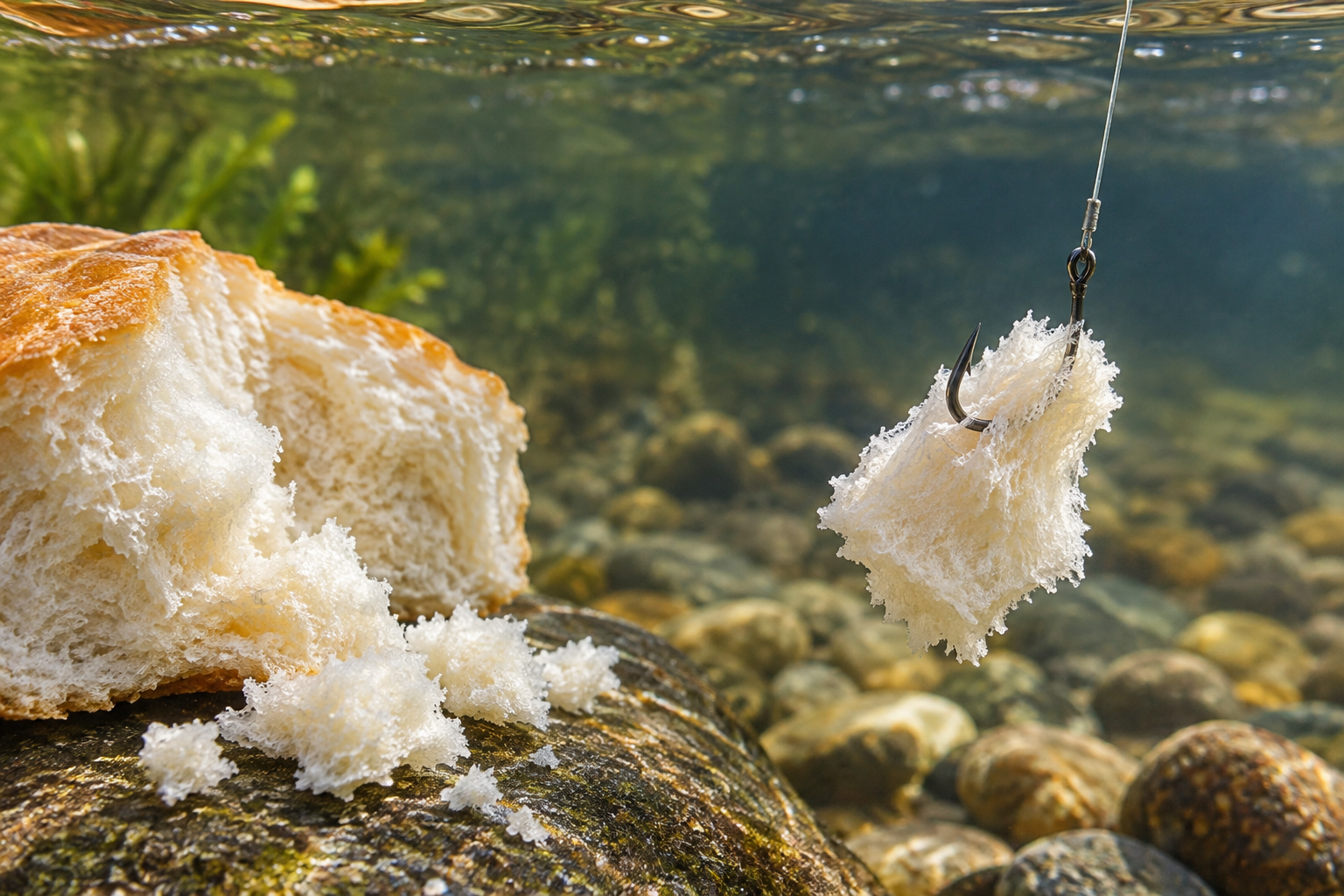
The Best Baits for Chub: What to Use and When
Discover the best baits for catching chub and when to use them. From bread and maggots to worms, cheese and pellets, this guide covers proven chub baits for UK rivers.
13 Sept 2026 · 5 min read
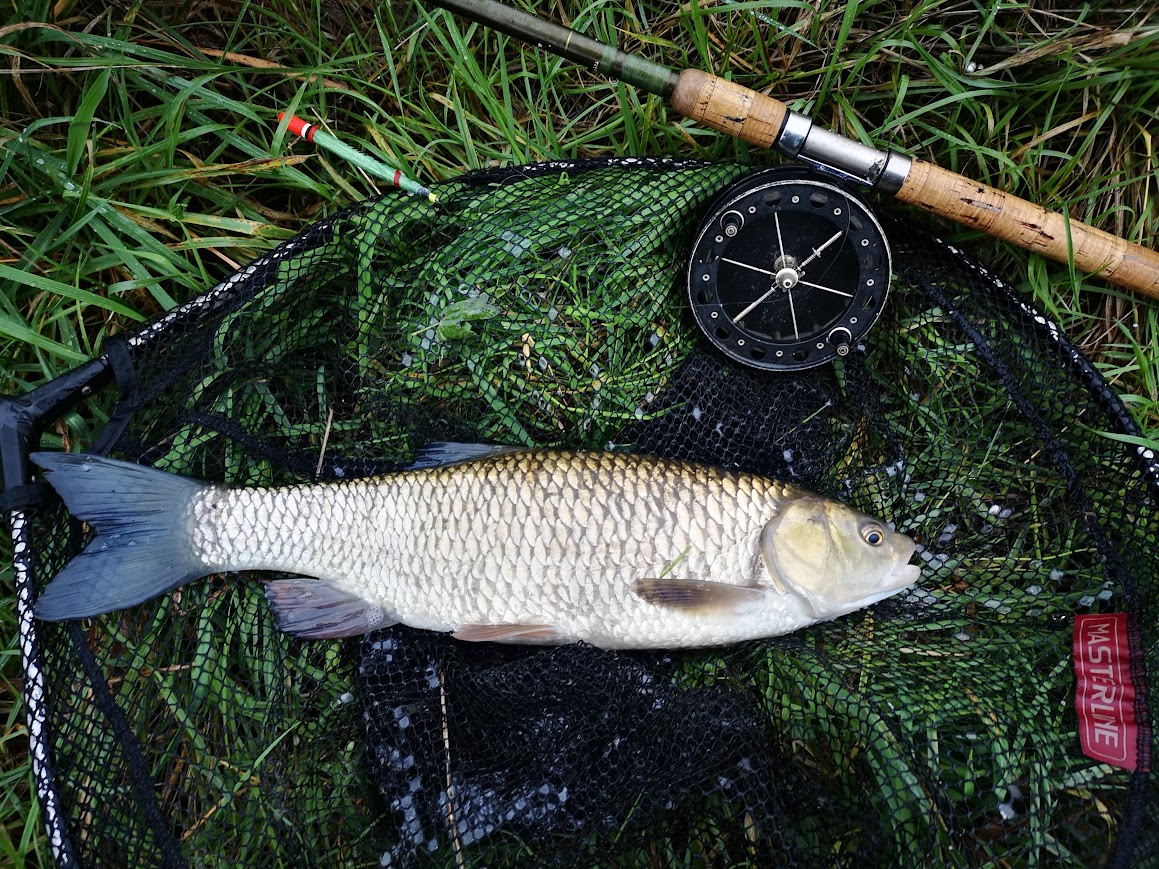
A Beginner’s Guide to Chub Fishing
Learn how to catch chub with this beginner-friendly guide. Discover where to find chub, the best baits to use and simple float, ledger and surface fishing techniques.
13 Sept 2026 · 5 min read
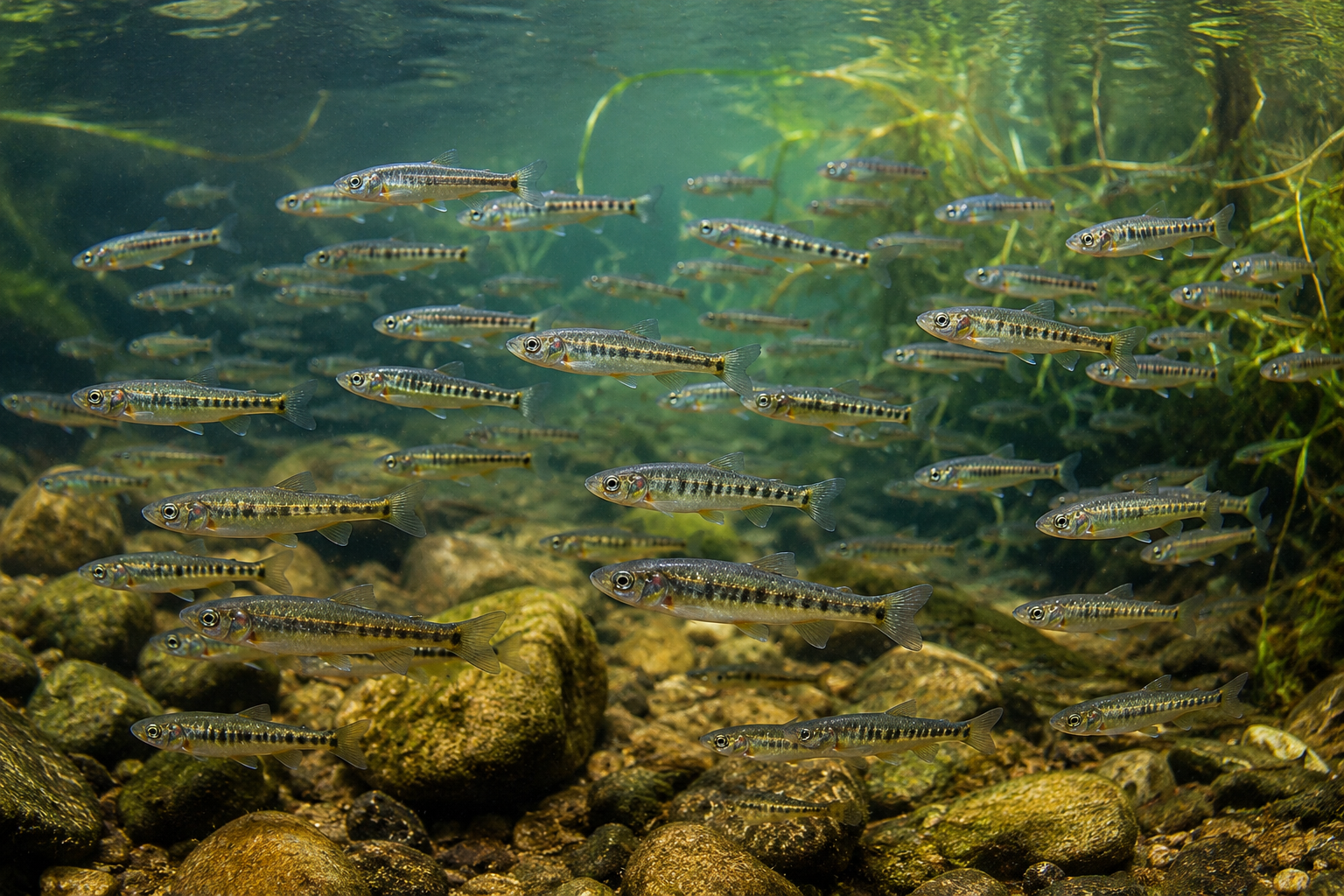
The Humble Minnow: Small Fish, Big Importance
The humble minnow may be small, but it plays an important role in our rivers and lakes. Discover its place in the food chain, its traditional use as live and dead bait, and why healthy minnow populations can help support bigger predatory fish.
3 Sept 2026