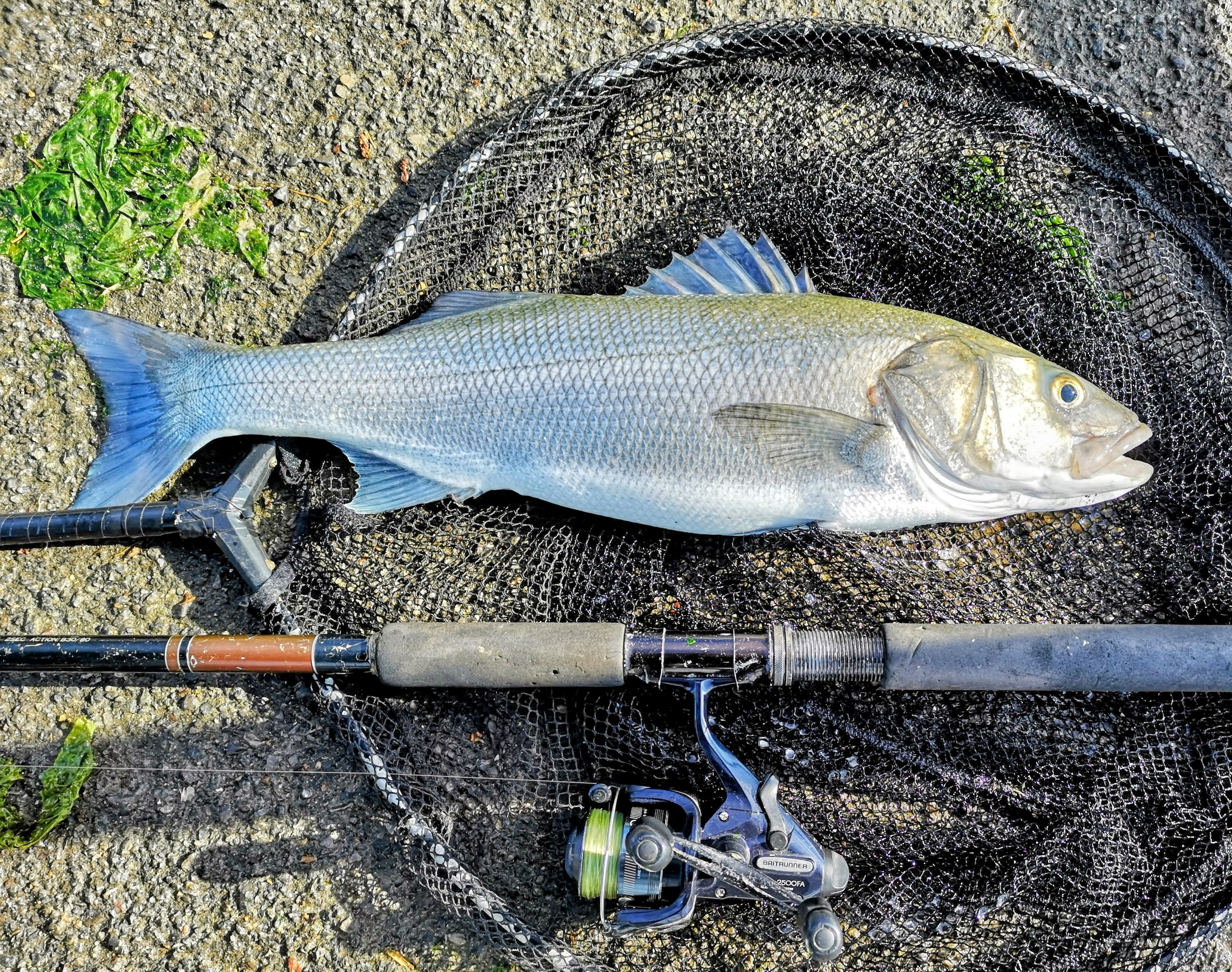
European bass are one of the most exciting fish you can target around the UK coastline. They fight hard, can be caught from beaches, rocks and estuaries, and you don't necessarily need specialist equipment to start fishing for them.
Bass are also remarkably comfortable in shallow water. A good fish can sometimes be feeding surprisingly close to your feet, particularly around rocks, weed, gullies and areas where waves are disturbing the seabed.
For a beginner, the key is learning where bass are likely to feed rather than simply trying to cast as far as possible.
Advertisement
Tackle worth buying
Shop rods, reels, terminal tackle and more at Total Fishing Tackle.
Bass are found around much of the UK coastline and can turn up over many different types of ground.
Rocky shores are particularly interesting because they provide plenty of cover and food. Look for gullies, submerged rocks, patches of weed and areas where currents meet.
Sandy and shingle beaches can also produce excellent fishing. Bass regularly patrol surf lines looking for worms, crabs and small fish disturbed by the waves.
Estuaries are another productive option. Bass will follow baitfish into surprisingly shallow water and can travel some distance into brackish areas.
Harbour entrances, tidal creeks and areas where freshwater meets the sea are all worth exploring where fishing is permitted.
When Is the Best Time to Catch Bass?
Bass can potentially be caught throughout the year, but for beginners the warmer months generally provide the easiest opportunity.
Fishing usually improves as coastal waters warm during spring, with summer and autumn providing some of the most consistent sport.
Time of day can be just as important.
Early mornings and evenings are excellent periods, particularly when lure fishing in shallow water. Bass will often move closer to shore when light levels fall.
Tides also influence where fish feed. There isn't one perfect tide for every location, so it's worth returning to the same mark at different stages of the tide and keeping notes of when you catch fish.
What Tackle Do You Need?
Your tackle depends mainly on whether you're using bait or lures.
For lure fishing, a rod of roughly 8–10ft capable of casting lures somewhere around the 10–40g range makes a good general-purpose starting point. Pair it with a suitable fixed-spool reel and braided main line.
A fluorocarbon or monofilament leader between the braid and lure provides some abrasion resistance around rocks.
Bait fishing usually requires heavier equipment, particularly when casting larger baits or fishing rough conditions. A typical shore rod and fixed-spool reel will cover many situations.
You don't need to buy large amounts of tackle when you're starting. A simple, reliable setup that suits your local coastline is far more useful.
Lure Fishing for Bass
Lure fishing is one of my favourite ways to target bass because it allows you to cover plenty of water and actively search for fish.
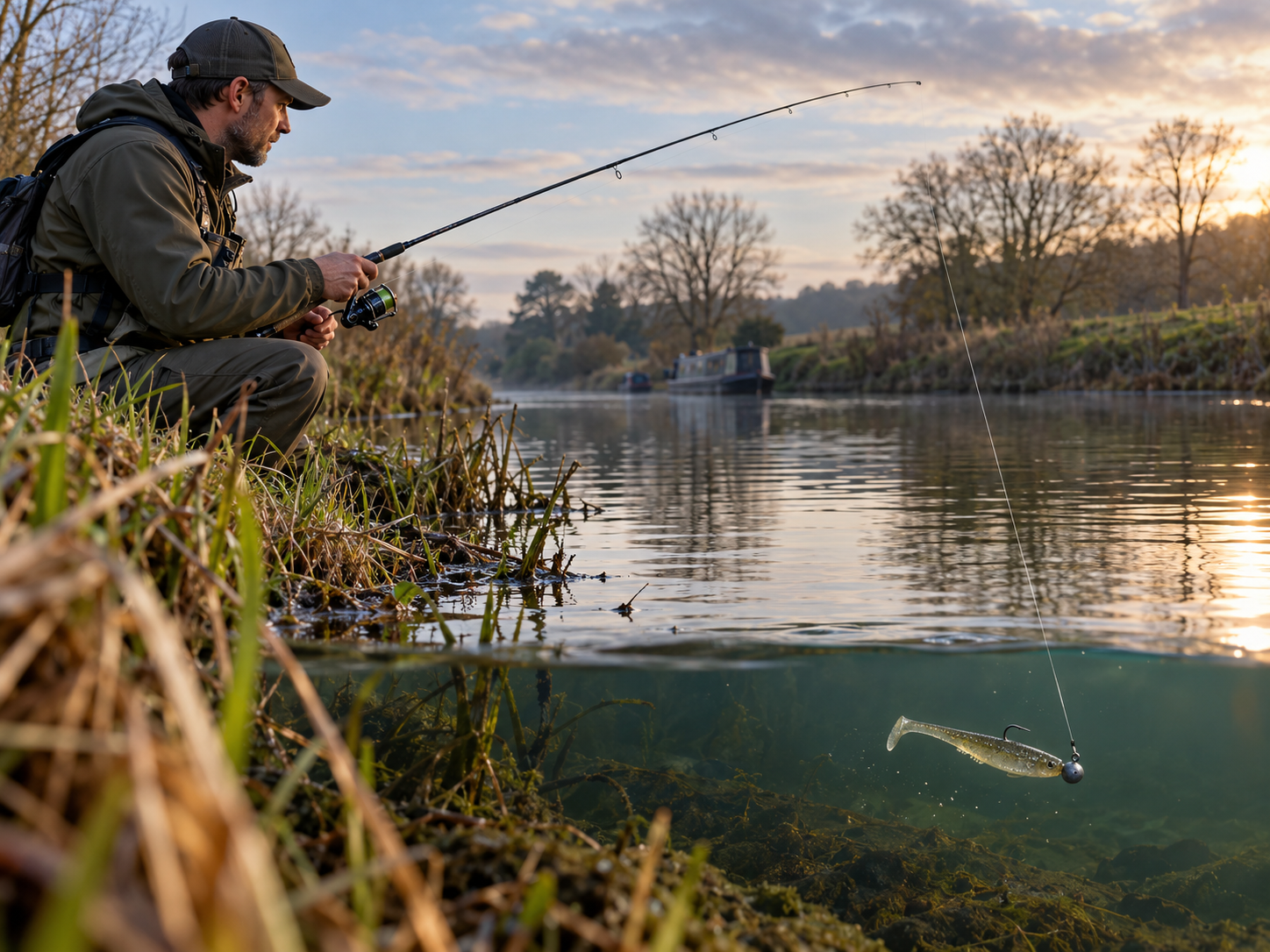
Soft plastics, shallow-diving plugs, surface lures and metal lures can all catch bass.
If you're fishing rocky or weedy shallow water, a shallow-running lure or soft plastic can be particularly effective. Over deeper water or when you need extra casting distance, metal lures can be useful.
Don't assume that retrieving faster will automatically attract more fish.
Try different speeds. Occasionally pause the lure or change direction slightly. Bass will sometimes follow a lure for some distance before deciding to attack.
Surface fishing can be especially exciting. Seeing a bass chase and then hit a surface lure is one of the highlights of UK sea fishing.
Bait Fishing for Bass
Bait fishing is an equally effective way to catch bass and may be easier when you're first learning a new mark.
Peeler crab is a classic bass bait, especially around estuaries and rocky ground. Ragworm and lugworm are excellent choices from beaches, while strips or sections of fish can also produce bass.
Live or freshly caught prawns can be very effective where they are naturally present.
The important thing is to present your bait where bass are actually feeding.
That doesn't always mean casting towards the horizon.
On a surf beach, bass may patrol the first few breakers. Casting beyond them could actually put your bait behind the fish.
Learn to Read the Water
This is probably the most valuable skill in bass fishing.
Instead of arriving at the coast and immediately casting, spend a few minutes watching the water.
Look for changes.
A patch of rough water surrounded by calmer water could indicate submerged rocks. A darker area might show a deeper gully. Current flowing around a headland can create an obvious line between moving and slower water.
Also watch the birds. Diving terns and gulls can indicate small fish close to the surface. If baitfish are present, bass may not be far away.
The more time you spend observing your local coastline, the easier it becomes to recognise places where bass are likely to feed.
Don't Ignore Shallow Water
One of the most common mistakes beginners make is believing that bigger casts automatically catch more fish.
Bass frequently hunt in very shallow water.
They use breaking waves, rocks, weed and low light to ambush prey. At some marks, fish can be feeding within a few metres of the shoreline.
When lure fishing, work the closest water before wading or casting farther out. Walking straight into the sea can mean walking through the exact area you should have been fishing.
Handling and Releasing Bass
Bass are fantastic sporting fish and deserve careful handling.
If you're releasing a fish, have your equipment ready before you start fishing. A landing net, unhooking mat where appropriate and long-nosed pliers make the process easier.
Wet your hands before handling the fish, support it properly and keep its time out of the water as short as possible.
If you're keeping bass for the table, always check the current regulations before fishing. UK bass rules can include minimum sizes, closed periods and limits on how many fish recreational anglers may retain, and these regulations can change.
A Simple Way to Start
If you're completely new to bass fishing, don't make things too complicated.
Choose one accessible local mark and learn it properly. Fish it at different stages of the tide and at different times of day. If you're lure fishing, start with a small selection of proven lures rather than carrying a box containing dozens of different patterns.
Most importantly, remember where you get bites.
Over time you'll begin to recognise patterns: a particular gully that produces on an incoming tide, a rocky point that fishes well in the evening or a beach that comes alive when there's some movement in the water.
That's when bass fishing starts becoming less about luck and more about understanding where the fish are likely to be.