How to Fish Soft Plastic Lures: A Beginner’s Guide
A beginner-friendly guide to fishing soft plastic lures, covering depth control, jigging, steady retrieves, working the bottom and adapting your presentation to catch more predatory fish.
24 September 2026 · 6 min read
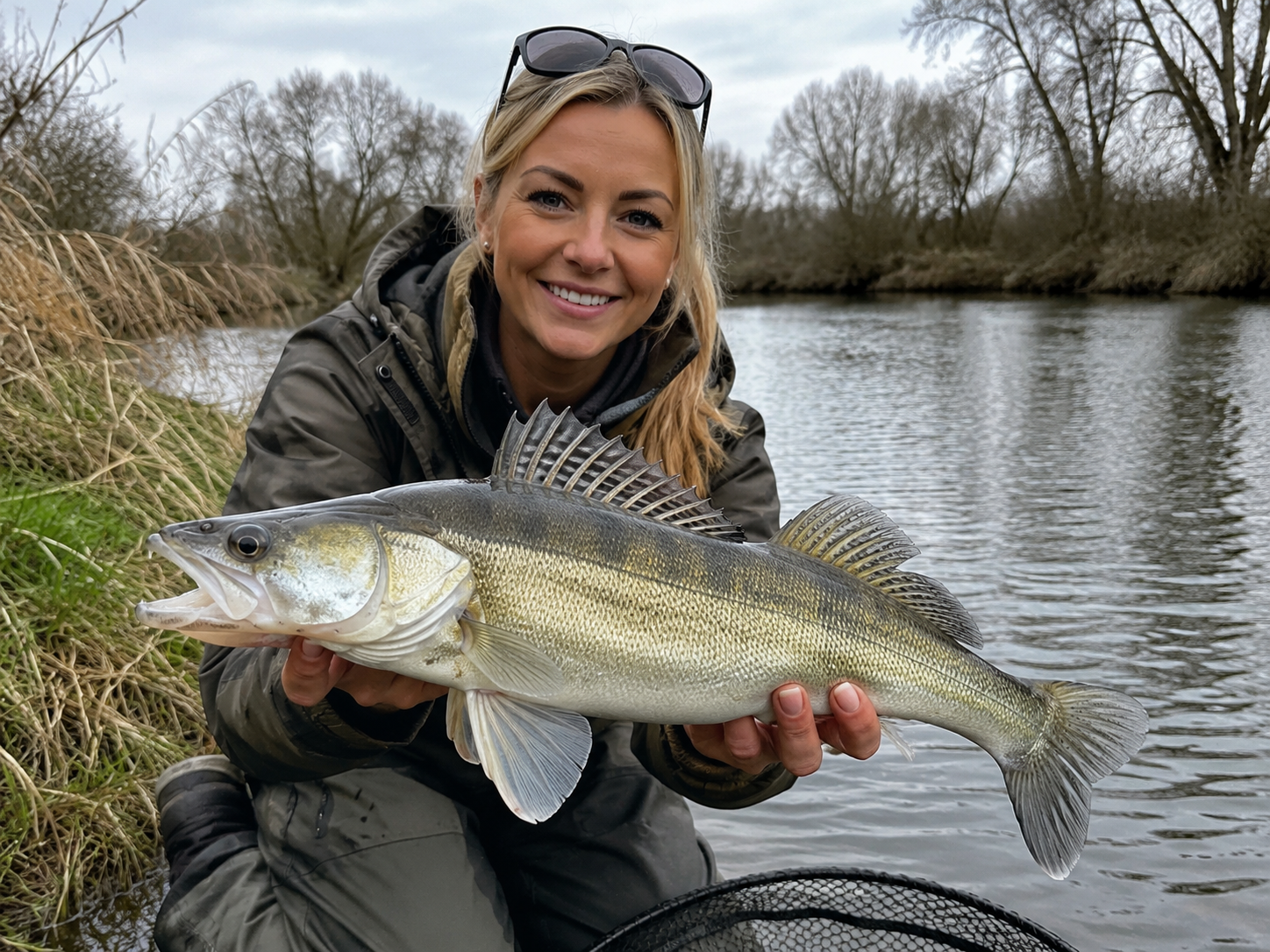
Soft plastic lures are among the most versatile lures an angler can use. They can be fished quickly or slowly, close to the surface or right along the bottom, and they can imitate everything from a small injured fish to a creature crawling over the lake bed. That flexibility is what makes them so effective for species such as perch, zander and pike, but it can also make them seem more complicated than they really are.
The basic idea is simple. A soft plastic lure only becomes effective when you learn to control three things: depth, speed and movement. Once you can decide where the lure is travelling in the water, how quickly it is moving and what sort of action it is producing, soft plastic fishing becomes much easier to understand.
For beginners, it is usually better to concentrate on a few reliable retrieves rather than constantly swapping lures. A simple paddle-tail shad on a jig head can be fished in several different ways, and learning how to work that one lure properly will usually teach you more than carrying a box full of different designs.
Advertisement
Tackle worth buying
Shop rods, reels, terminal tackle and more at Total Fishing Tackle.
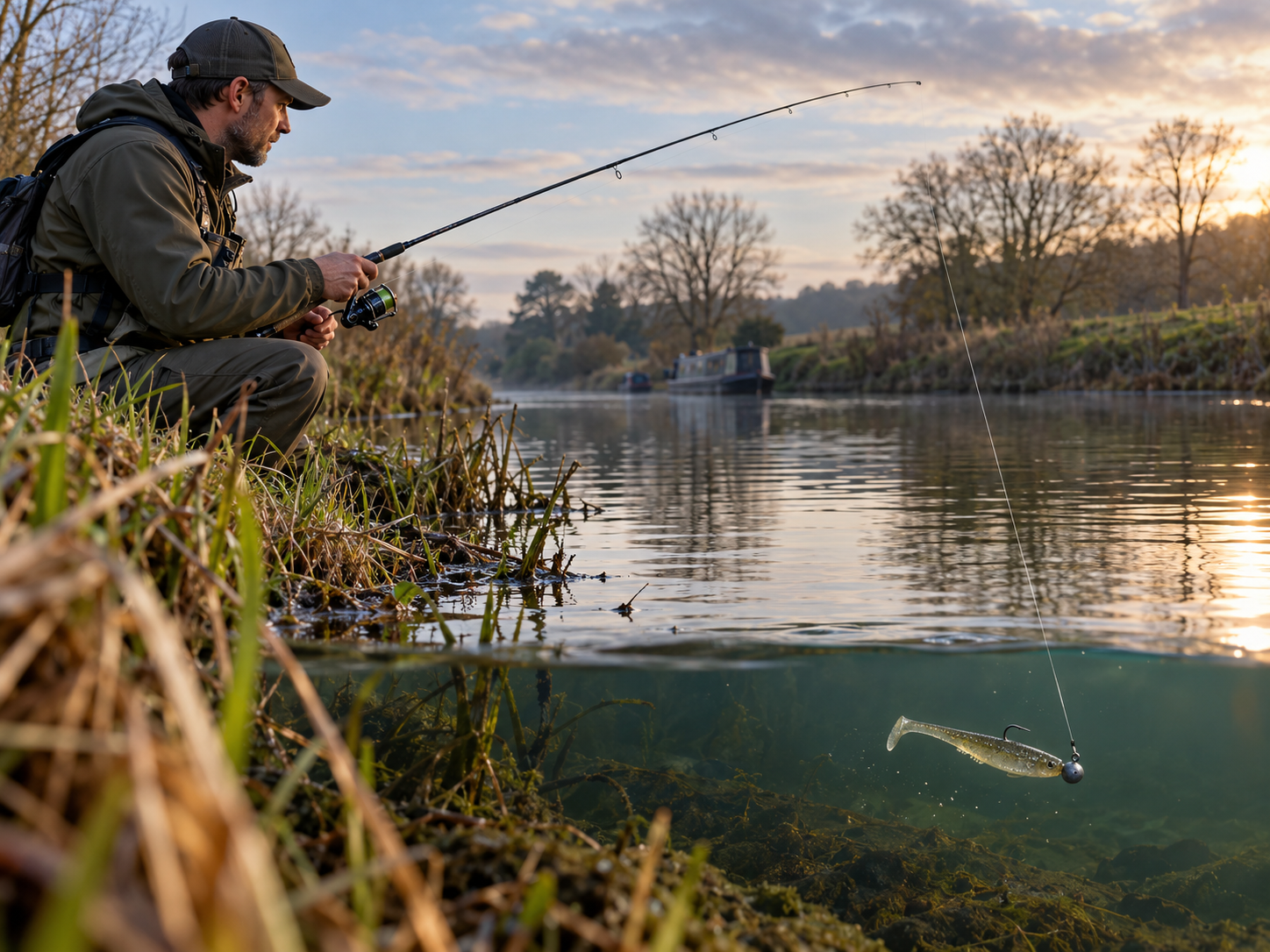
The first skill to learn is controlling depth. Soft plastics are especially effective because they can be allowed to sink before the retrieve begins, which means the same lure can be used in shallow margins, mid-water or along the bottom.
After casting, watch the line carefully as the lure sinks. When the jig head reaches the bottom, the line will usually slacken slightly. This tells you the lure has finished dropping and gives you a starting point for the retrieve.
Counting the lure down can also be useful. If it takes six seconds to reach the bottom, for example, beginning the retrieve after three seconds should place it somewhere around mid-water. This is not an exact science because different jig heads, lure shapes and currents affect the sink rate, but it gives you a repeatable way of exploring different depths.
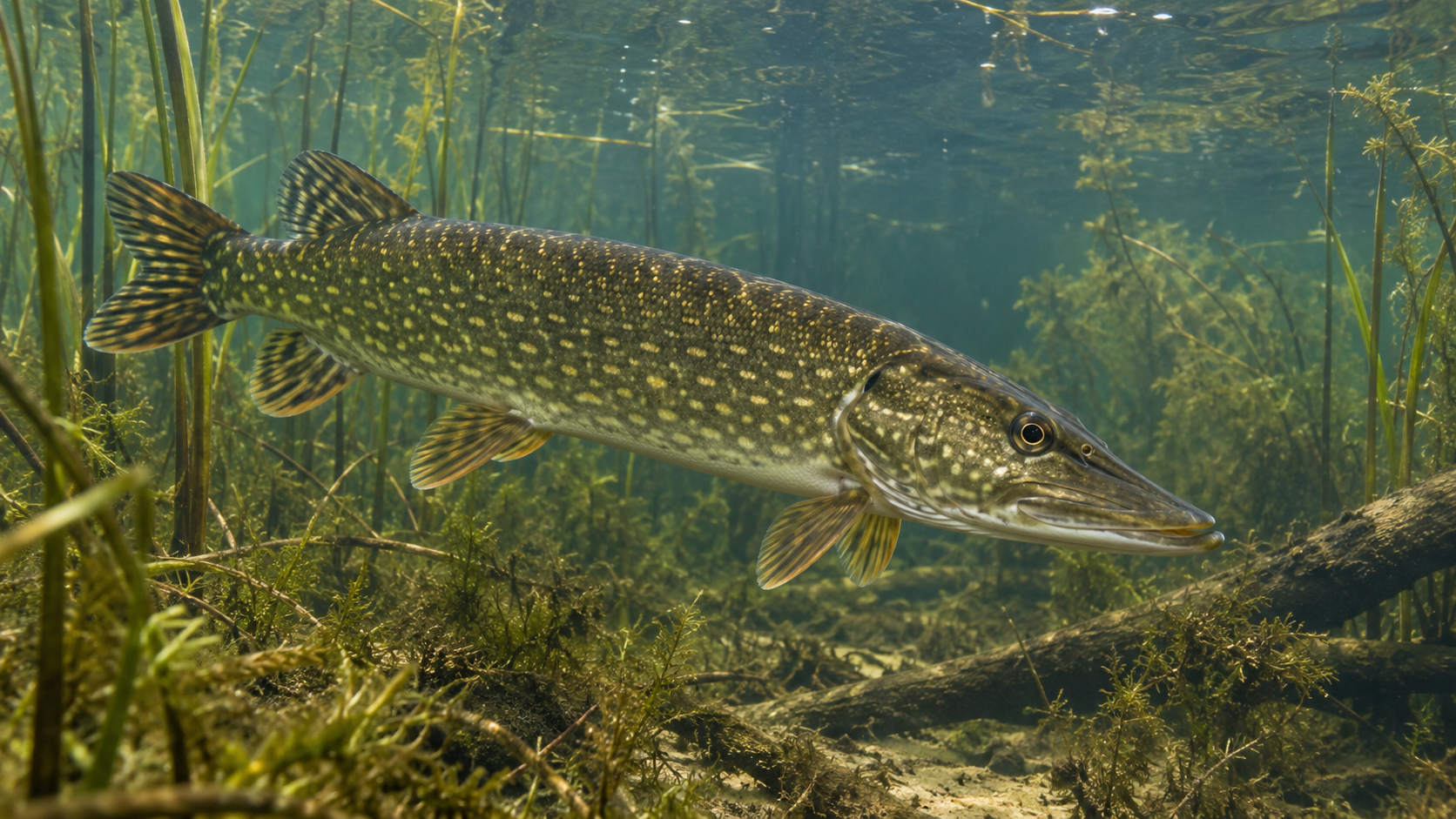
Depth control becomes especially important when predators are not feeding close to the bottom. Perch may suspend around shoals of small fish, while pike can patrol higher in the water. If every cast is allowed to sink all the way down, you may be fishing underneath them.
On the other hand, zander and larger perch are often caught close to the bottom, particularly during colder conditions. In these situations, maintaining regular contact with the bed can be far more important than covering the upper layers.
The weight of the jig head has a major influence on how easy this is. A heavier head sinks faster and gives a more obvious feel through the rod, while a lighter head produces a slower, more natural fall. The best weight is usually the lightest one that still allows you to maintain control.
Too much weight can make the lure look unnatural and cause it to crash into the bottom. Too little, however, can leave you guessing where the lure actually is.
The Simple Steady Retrieve
A steady retrieve is one of the easiest and most effective ways to fish soft plastics. Cast out, allow the lure to sink to the desired depth and then wind it back at a consistent pace. Paddle-tail lures are particularly good for this because the tail creates its own action as soon as the lure begins moving.
The temptation is often to retrieve too quickly. Slowing down can make a considerable difference, especially in cooler water or when the fish are not particularly active.
A steady retrieve works well when fish are chasing prey and can be particularly useful for covering open water. It also helps beginners learn how different jig-head weights affect the lure. A heavier head will pull the lure downward more quickly, so the reel must be turned faster to keep it higher in the water. A lighter head allows the lure to stay suspended for longer.
This simple method can also be varied without changing the lure. A brief pause in the retrieve allows the bait to drop, while a short burst of faster winding makes it accelerate suddenly.
That change of pace can provoke a take.
Predators often follow a lure before deciding whether to attack. A pause, slight change in direction or sudden increase in speed can make the lure appear vulnerable or as if it is trying to escape.
Rather than thinking of the steady retrieve as something basic, it is better to see it as the foundation for many other presentations.
Jigging and the Lift-and-Drop Retrieve
One of the most effective ways to fish soft plastics is to work them close to the bottom using a lift-and-drop retrieve.
Allow the lure to reach the bottom, then lift it with the rod tip or by making one or two turns of the reel. The lure rises off the bottom and then drops again as you pause. This falling phase is often when the bite comes.
Predatory fish frequently attack as the lure drops because it resembles a small fish losing control. For that reason, it is important to stay in contact with the lure without pulling it unnaturally through the water. Watch the line as the lure sinks. If it suddenly twitches, stops falling earlier than expected or moves sideways, a fish may have taken it.
Some bites feel like a sharp knock through the rod. Others are much more subtle. This method is particularly effective for perch and zander, but it can also produce pike. It works well around drop-offs, deep channels and areas where predators are holding close to the lake or river bed.
The size of each lift can be changed depending on conditions. Large movements cause the lure to rise higher and cover more water, while small lifts keep it close to the bottom. During winter, subtle movements are often better. A lure lifted only a few centimetres and allowed to settle again can be far more effective than an aggressive jigging action.
This slower style of fishing takes patience, but it is one of the best ways to catch predators when they are not prepared to chase.
An angler leans into a powerful fish at sunset, using a short baitcasting setup as the rod bends against the unseen catch.
Working the Bottom Slowly
Soft plastics do not always need to be constantly moving. Sometimes the most effective retrieve is little more than dragging or hopping the lure across the bottom.
This is especially useful during cold weather, when fish may be sitting close to the lake bed and conserving energy.
After the lure settles, move it forward slightly with the rod tip and then allow it to stop again. Repeat the process slowly. The lure may only travel a short distance with each movement, but this can make it look like a small prey item feeding or struggling near the bottom.
Creature baits, crayfish-style lures and small shads can all work well when fished this way.
The bottom itself also gives you useful information. A hard, sharp feeling through the rod may indicate gravel or stone, while a softer sensation can suggest silt. Weed often feels heavier and less distinct. By paying attention to these differences, you can begin building a picture of the swim.
This matters because predators often use changes in the bottom as holding points. The edge of a gravel patch, the base of a drop-off or a clear area beside weed can all be productive places.
Soft plastic fishing becomes much more effective when you stop thinking only about the lure and start using it to explore the water.
Adjusting Your Retrieve to the Fish
There is no single perfect soft plastic retrieve because the best presentation changes with the conditions. When predators are active, a faster steady retrieve may work well. When they are sitting deep and feeding cautiously, a slow lift-and-drop or bottom-hopping approach can be better.
Water clarity also plays a part. In clear water, fish may inspect a lure closely, so natural movement can become more important. In coloured water, vibration and a slightly more pronounced action may help fish locate the lure. The behaviour of the fish should always guide the retrieve. If you are getting follows but no takes, changing the speed or introducing pauses can help. If fish are taking as soon as the lure begins to fall, it may be worth using a lighter jig head to extend that falling phase.
It is also worth remembering that the retrieve does not need to remain the same throughout the cast.
A lure might be fished quickly through open water, slowed down as it approaches a weed bed and then allowed to drop beside the edge.
That ability to change presentation during a single retrieve is one of the main strengths of soft plastics.
Learning to Feel What the Lure Is Doing
The biggest improvement usually comes when you become more aware of what is happening below the surface. With braided line and a reasonably sensitive rod, you can feel far more than just bites. You can tell when the lure hits the bottom, passes through weed or touches a branch.
You may notice that takes occur at a particular depth or only when the lure drops beside a feature. These small patterns are often more important than lure colour. If you regularly catch fish after the lure falls from a shallow shelf into deeper water, then you have learned something useful about how the predators are using that area.
This is why soft plastic fishing rewards observation.
Every cast gives you information.
Over time, you begin to understand how different jig-head weights feel, how quickly different lures sink and how much movement is needed to bring them to life. That knowledge is transferable from one water to another.
Final Thoughts
Soft plastic lure fishing does not need to be complicated. Start with a simple shad and learn to control where it is in the water. Practice a steady retrieve, then experiment with lifting and dropping the lure close to the bottom.
Pay attention to the line during the fall and to the feel of the lure as it moves across different types of bottom.
Most importantly, avoid changing lures every few casts without learning anything from them.
A basic soft plastic fished well will usually catch more fish than a complicated selection of lures fished without confidence. Once you understand depth, speed and movement, soft plastics become one of the most adaptable tools in lure fishing. The technique can be adjusted for different species, different seasons and almost any type of venue, making it one of the most useful skills a lure angler can learn.