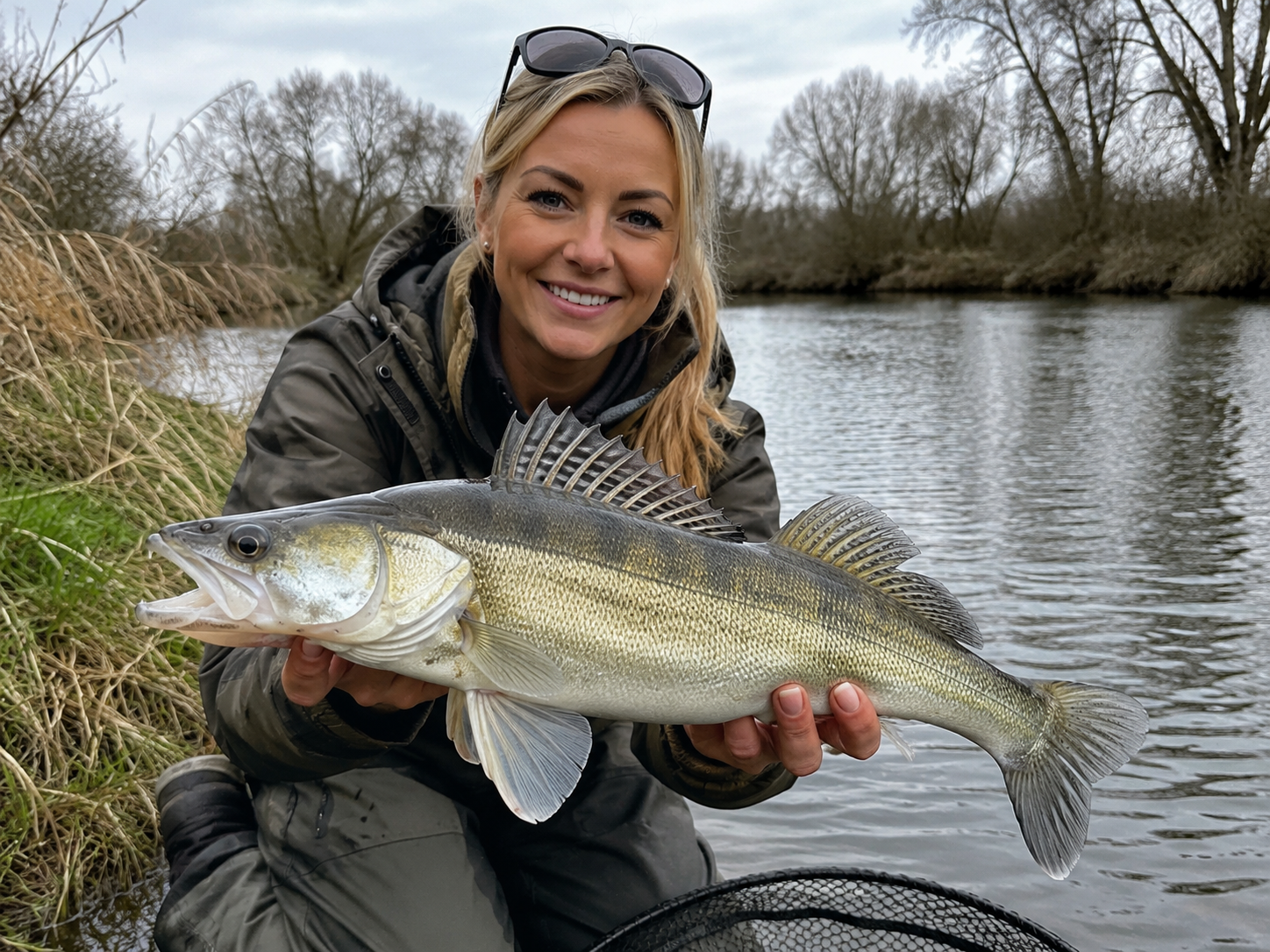
Learn the basics of lure fishing for perch, including how to find fish, choose the right tackle and work soft plastics, spinners and hard lures effectively.
24 September 2026 · 6 min read
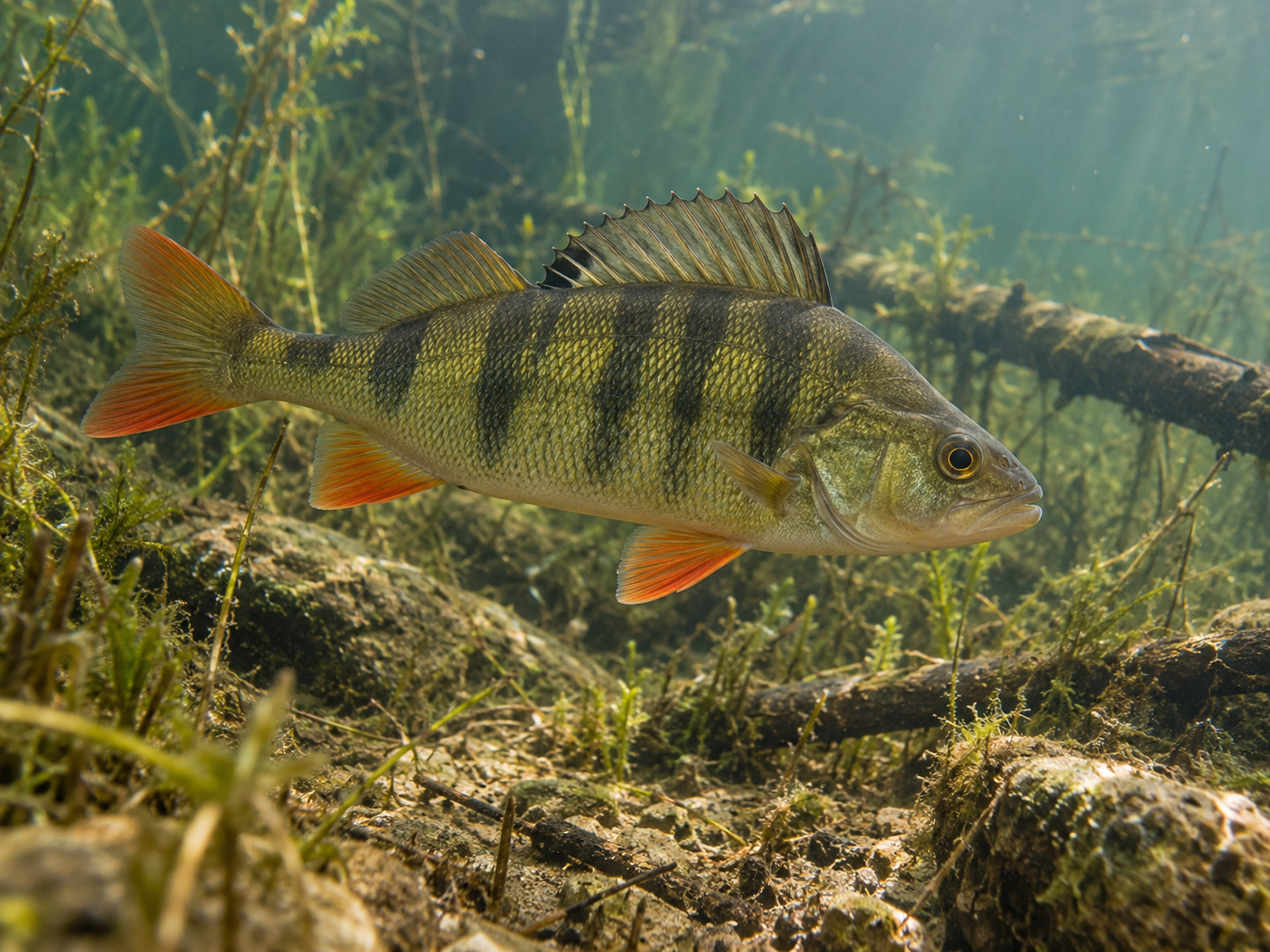
Perch are one of the best species in the UK for anglers who want to get into lure fishing. They are widespread, aggressive, attractive fish and can be caught from canals, rivers, lakes, reservoirs and even small urban waters. They also respond well to a wide variety of lures, which makes them ideal for anglers who want to learn how different retrieves, depths and lure styles work.
One of the biggest attractions of perch fishing is that you do not need particularly heavy tackle. In many situations, a light lure rod, a small reel and a handful of soft plastics are enough to get started. The fishing can also be very active. Rather than sitting in one swim for hours, you can move around, search different areas and cover a lot of water.
Small perch are often easy to catch, but larger specimens can be much more selective. Big perch tend to use structure, depth changes and concentrations of prey fish to their advantage. Learning how to find these features is often more important than constantly changing lures.
Advertisement
Tackle worth buying
Shop rods, reels, terminal tackle and more at Total Fishing Tackle.
The first step in successful lure fishing is finding the fish. Perch are rarely distributed evenly through a water. They usually gather around areas that offer either food, cover or both.
On canals, bridges are obvious places to start. The shade, deeper water and structure around bridge supports can attract small fish, which in turn draw in perch. Moored boats, lock approaches, turning bays and reed-lined margins are also worth exploring.
On rivers, look for slacks, deeper pools, bridge supports and areas where faster water meets slower water. Perch often hold just outside the strongest current where they can conserve energy while waiting for prey to pass.
Stillwaters can initially seem more difficult because there may be fewer obvious features. Margins, overhanging trees, reed beds, jetties and changes in depth are all worth fishing. If you can identify areas where small fish are gathering, there is a good chance perch will not be far away.
During warmer weather, perch can often be found surprisingly close to the bank. Small fish frequently shelter in the margins, particularly where there is vegetation or other cover. In winter, however, perch are more likely to gather in deeper water.
Watching the surface can also give away their location. Shoals of small fish scattering or suddenly jumping often indicate that predators are attacking underneath them.
Choosing a Lure Setup
A light or medium-light spinning rod is suitable for most perch fishing. Something around 6 to 8 feet long with a casting weight somewhere in the region of 3–15g or 5–20g will cover a wide range of situations.
A small fixed-spool reel loaded with braid gives excellent sensitivity. Because braid has very little stretch, you can feel both the movement of the lure and subtle takes much more clearly than you usually can with monofilament.
A fluorocarbon leader is commonly attached to the braid. This provides a less visible section of line close to the lure and also offers some abrasion resistance when fishing around rocks or submerged branches.
However, pike are present in many waters that also contain perch. If there is a realistic chance of hooking a pike, the leader needs to be suitable for dealing with pike teeth. Losing a lure is inconvenient, but leaving hooks in a fish is far more serious.
The advantage of perch tackle is that it can remain simple. You do not need dozens of rods or hundreds of different lures. A small box containing several soft plastics, a few jig heads and a couple of hard lures will cover most situations.
Soft Plastics for Perch
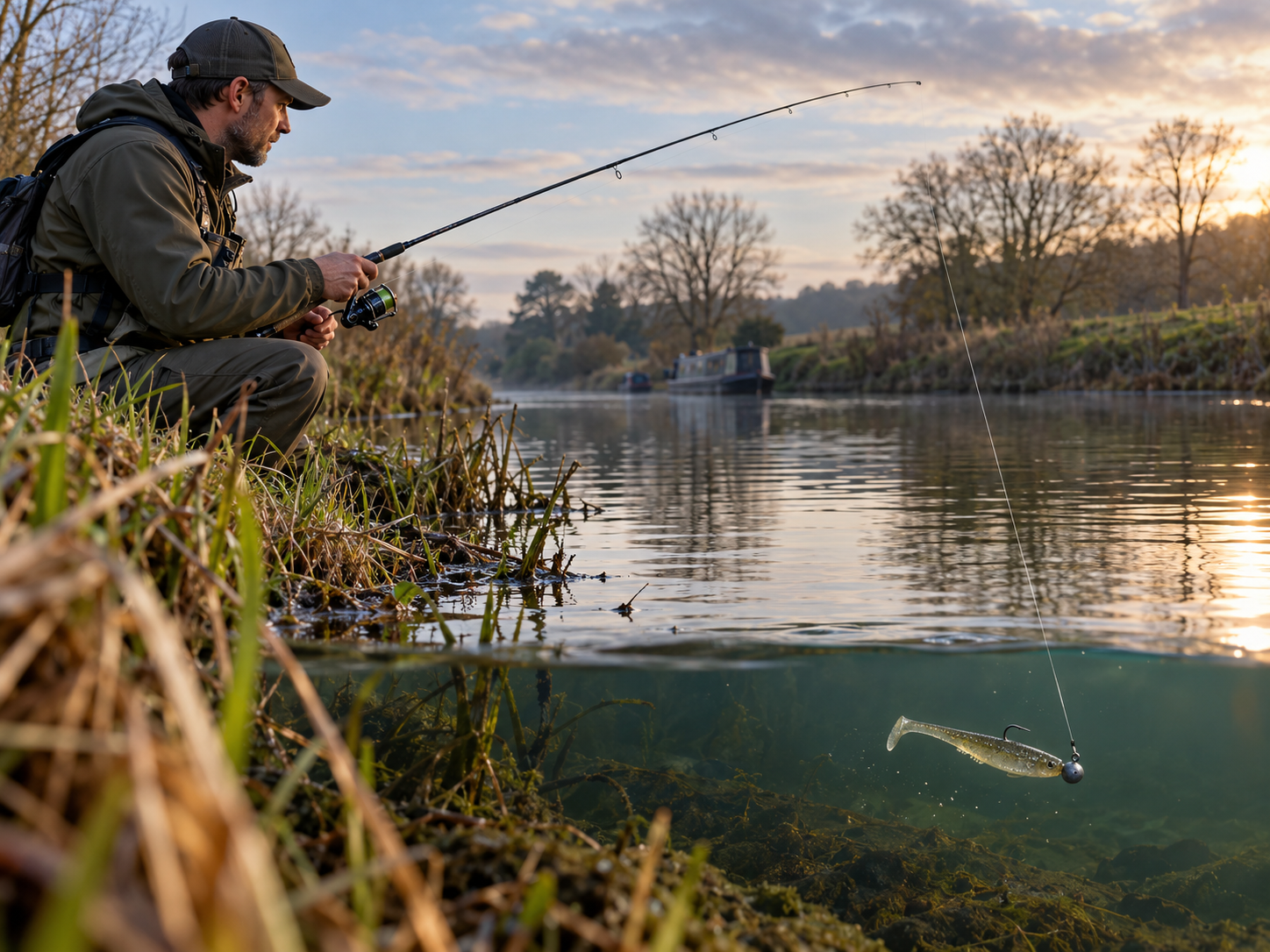
Soft plastics are probably the most versatile perch lures available. Small paddle tails, shads, grubs and creature-style baits can all be effective.
For general fishing, soft plastics between around 5 and 10cm are a sensible starting point. Smaller lures can produce large numbers of fish, while slightly larger lures may help avoid some of the smallest perch.
A basic paddle-tail shad on a jig head is difficult to beat. It can be retrieved steadily through open water, bounced along the bottom or allowed to sink beside structure.
A slow, steady retrieve is often enough when the fish are active. Cast the lure past the area you want to fish, allow it to sink to the desired depth and retrieve it slowly enough for the tail to work properly.
If the perch are holding near the bottom, a lift-and-drop retrieve can be more effective. Allow the lure to reach the bottom, lift it with the rod or a couple of turns of the reel and then let it fall again. Many takes come as the lure drops.
It is worth paying close attention to the line during this stage. A perch may produce a sharp tap, but sometimes the line simply twitches or stops falling earlier than expected. When this happens, strike.
Soft plastics also allow you to fish very slowly. During winter, when perch are less willing to chase, a small lure worked close to the bottom with gentle movements can be far more effective than a fast-moving bait.
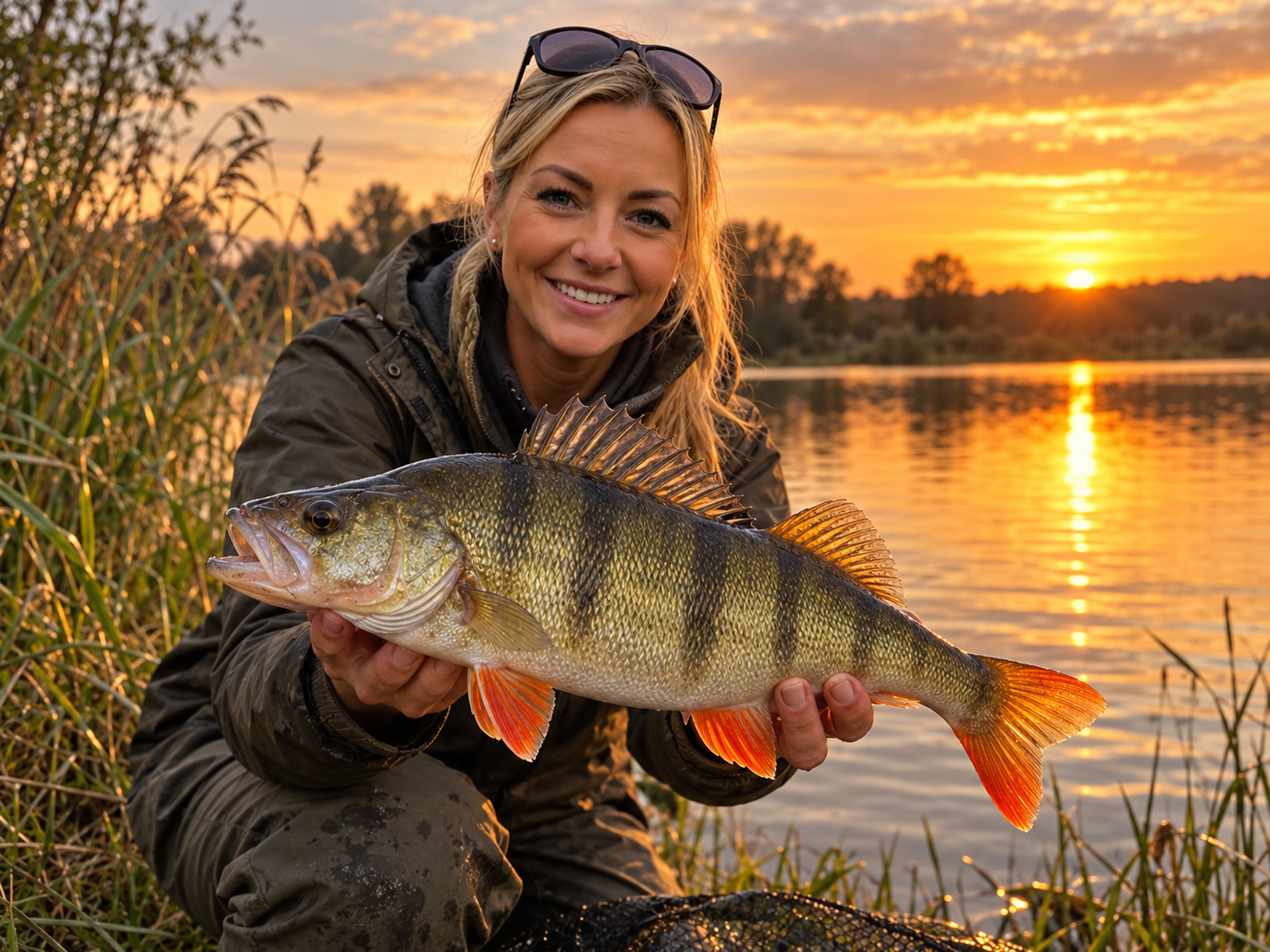
A large perch caught at last light, with sunset often providing excellent conditions for active lure fishing.
Hard Lures and Spinners
Although soft plastics are extremely useful, they are not the only option.
Small crankbaits can be excellent when perch are actively chasing prey. These lures have their own action and can often be fished effectively with nothing more complicated than a steady retrieve.
Different crankbaits work at different depths, so it is useful to have a few that run shallow and others that dive deeper. This allows you to search different parts of the water column.
Small spinners are another simple but very effective choice. They produce both flash and vibration, making them easy for perch to locate in coloured water.
Spinners are particularly useful for beginners because they require very little technique. Cast out, allow the lure to sink if necessary and retrieve it fast enough to keep the blade rotating.
They are also good search lures. If you arrive at a new stretch of water and have no idea where the perch are, a spinner allows you to cover plenty of water quickly.
That does not mean you need to retrieve everything quickly. Perch can sometimes follow a lure for several metres before deciding to attack. Changing speed, pausing briefly or giving the lure an occasional twitch can trigger a fish that might otherwise turn away.
Fishing Around Structure
Structure is one of the most important elements in perch fishing. Perch are ambush predators and often position themselves close to something that breaks up the surrounding water. This might be a bridge support, weed bed, submerged branch, lock gate or steep drop-off.
Fishing close to these areas can be extremely productive, but accurate casting matters.
There is a big difference between landing a lure a metre away from a feature and landing it a few centimetres from it. Perch may remain tight to cover and refuse to move far into open water.
This becomes especially important when fishing canals and rivers where relatively small features can hold several fish.
Do not overlook your own bank either. Many anglers instinctively cast as far as possible, but perch regularly patrol the margins. Dropping or casting a lure parallel to the bank can be far more effective than throwing it towards the middle.
If you catch one perch, it is usually worth making several more casts into the same area. Perch are often shoaling fish, particularly when they are smaller, and catching one may indicate that several more are nearby.
Adjusting to the Seasons
Perch behaviour changes throughout the year. During spring and summer, fish can be very active and may spend much of their time chasing fry. This can produce exciting fishing, particularly when you find a shoal feeding near the surface.
A fast-moving lure can work well in these conditions because the fish are prepared to chase. As autumn arrives, perch often begin feeding heavily. This can be one of the best periods for targeting larger specimens, particularly as prey fish start gathering into tighter groups.
Winter requires a different approach. Perch still feed, but they often become less active and may spend longer periods holding in deeper areas. Slowing everything down is usually the first thing to try. Use smaller movements, longer pauses and keep the lure close to the bottom. Sometimes a lure barely needs to move at all to attract attention.
Clear winter water can also make perch more cautious, so accurate presentation and lighter tackle may become more important.
Learning Through Moving and Experimenting
One of the best things about lure fishing for perch is how quickly it teaches you about the water. Every cast gives you information. You may feel your jig head dropping into a deeper area, moving over gravel or catching the edge of weed. You may notice bites only occur when the lure passes a particular feature.
These patterns are worth remembering. If you catch fish from the bottom of a slope, for example, there is a good chance other perch will use similar areas elsewhere on the water.
It is also important not to stay in one place too long when nothing is happening. Perch fishing is often far more productive when you keep moving.
Make several casts at different angles, try different depths and then move on if you do not get a response. You can always return later, especially if light conditions change.
Changing the lure can sometimes help, but location is usually more important. A perfect lure in an empty swim will catch nothing.
Final Thoughts
Lure fishing for perch can be as simple or as technical as you want to make it.
For a beginner, the best approach is to keep things straightforward. Use a light spinning outfit, carry a few soft plastic shads and concentrate on finding fish around structure and changes in depth.
Learn how your lure feels when it reaches the bottom and pay attention to anything unusual during the retrieve. Many perch takes are obvious, but some can be surprisingly subtle.
Most importantly, keep moving and keep observing.
The more water you cover, the more you begin to understand where perch like to hold and how they react to different presentations. Once that starts to become familiar, lure fishing becomes far less about luck and much more about making the right cast in the right place.