
Feeder Fishing for Roach
Learn how to catch roach using a feeder with this beginner-friendly guide. Discover simple feeder rigs, the best baits and groundbait, tackle choices, casting tips and feeding tactics for catching roach on UK rivers, lakes and canals.
2 September 2026 · 8 min read
Some links in this guide are affiliate links. If you buy through them we may earn a small commission at no extra cost to you — it never influences what we recommend.
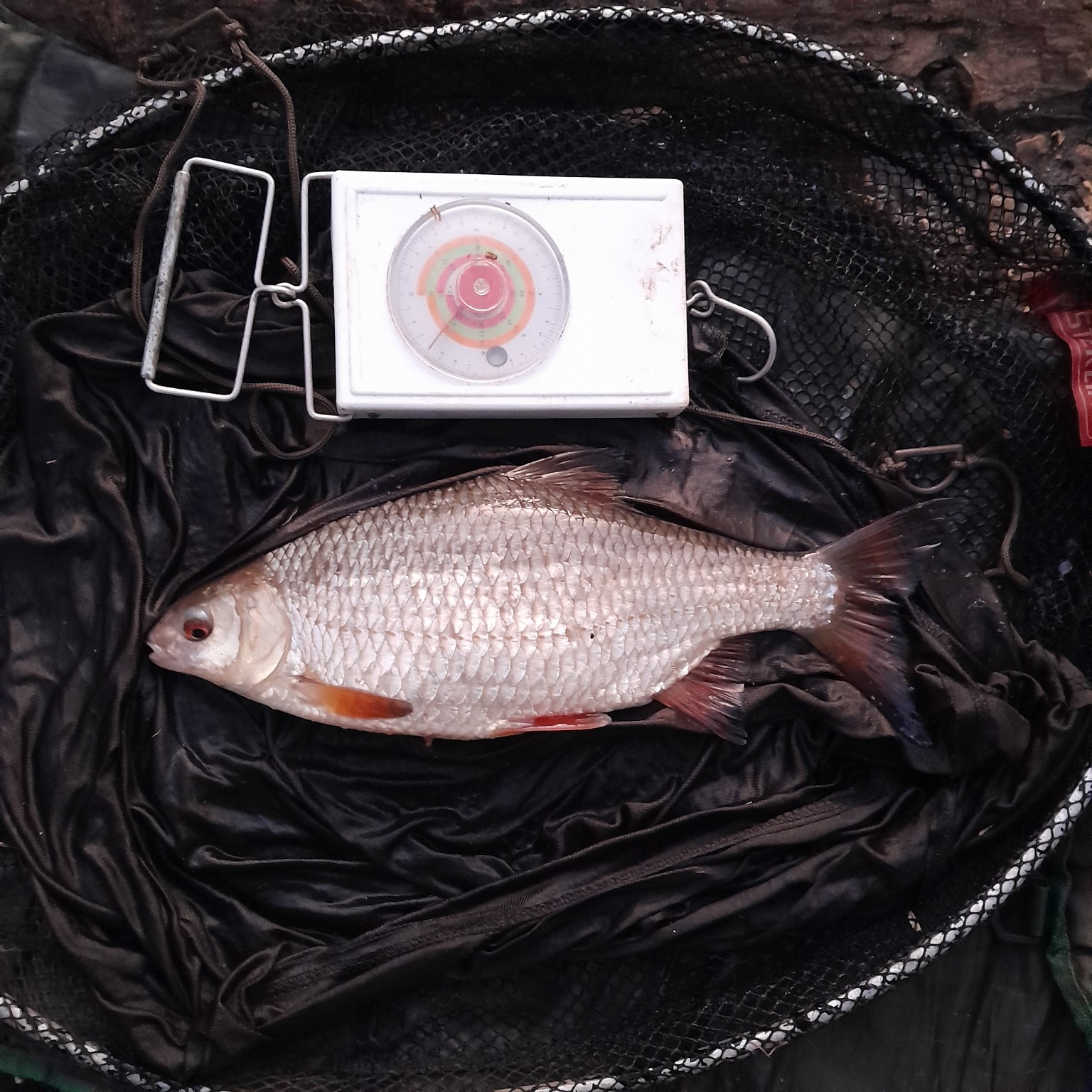
Roach are one of the most widespread coarse fish in the UK and can be caught from rivers, canals, lakes and commercial fisheries. Although float fishing is often associated with roach, feeder fishing can be extremely effective, particularly when the fish are feeding close to the bottom or conditions make float fishing difficult.
A feeder allows you to present your hook bait close to a small concentration of loose feed. It is a straightforward method to learn and can produce anything from a steady stream of small roach to specimen fish weighing well over a pound.
In this guide, we'll look at the tackle, rigs, groundbait and baits you need to start feeder fishing for roach.
Why Use a Feeder for Roach?
Feeder fishing is particularly useful when roach are feeding some distance from the bank.
Instead of throwing or catapulting loose feed into the swim, groundbait and particles are placed inside a feeder and cast alongside the hook bait. Each cast delivers another small amount of food to approximately the same area.
Over time, this creates a concentrated feeding spot.
Feeder fishing also allows you to fish effectively in deeper water, flowing rivers and windy conditions where controlling a float can become difficult.
The important thing with roach is not to overfeed them. A shoal of roach may respond well to regular feeding, but filling the swim with large quantities of food can quickly reduce the number of bites.
Tackle worth buying
Shop rods, reels, terminal tackle and more at Total Fishing Tackle.
What Tackle Do You Need?
You don't need particularly heavy tackle for roach.
A light or medium feeder rod of around 10–12ft is suitable for most situations. Ideally, choose a rod supplied with interchangeable quivertips so you can use a sensitive tip when bites are delicate.
Pair the rod with a small or medium fixed-spool reel loaded with approximately 4–6lb monofilament.
A simple setup would be:
- 10–12ft feeder rod
- Small or medium fixed-spool reel
- 4–6lb main line
- 1–2oz quivertip
- Small cage or open-end feeder
- 2–4lb hooklength
- Size 14–20 hooks
Scale everything according to the venue. A small stillwater containing mostly modest roach requires much lighter tackle than a large river where you might also encounter chub, bream or barbel.
Choosing a Feeder
For general roach fishing, a small cage feeder is difficult to beat.
Cage feeders allow groundbait to escape relatively quickly after reaching the bottom. This creates a small patch of attractive particles around your hook bait.
On rivers, you may need a heavier feeder to prevent the current moving it downstream.
Don't automatically use a large feeder. Roach often respond better to small but regular introductions of groundbait.
If you need to introduce more bait at the beginning of a session, make several casts with a slightly larger feeder before changing to a smaller one once you start fishing properly.
A Simple Feeder Rig for Roach
There's no need for a complicated rig.
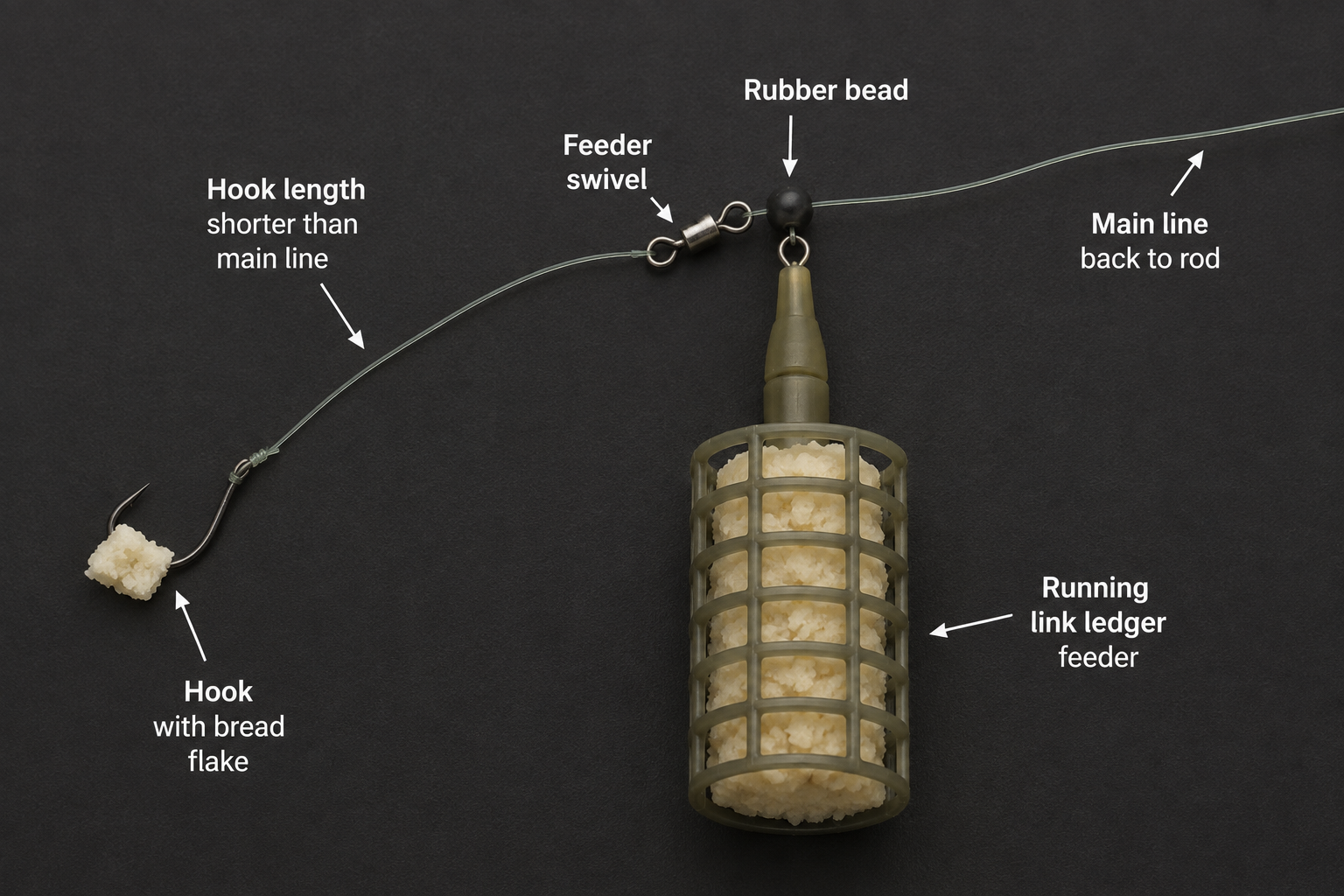
A simple running feeder setup is ideal. Thread the feeder onto your main line, followed by a bead to protect the knot, and then tie on a small swivel. Attach your hooklength to the other end of the swivel.
A hooklength somewhere around 30–60cm is a sensible starting point.
If bites are difficult to hit, experiment with the length.
Shortening the hooklength can sometimes produce more positive bites, while a longer hooklength may work better when roach are cautious or taking bait as it settles.
The rig should remain balanced and relatively light. You want enough strength to land an occasional larger fish without making the presentation unnecessarily heavy.
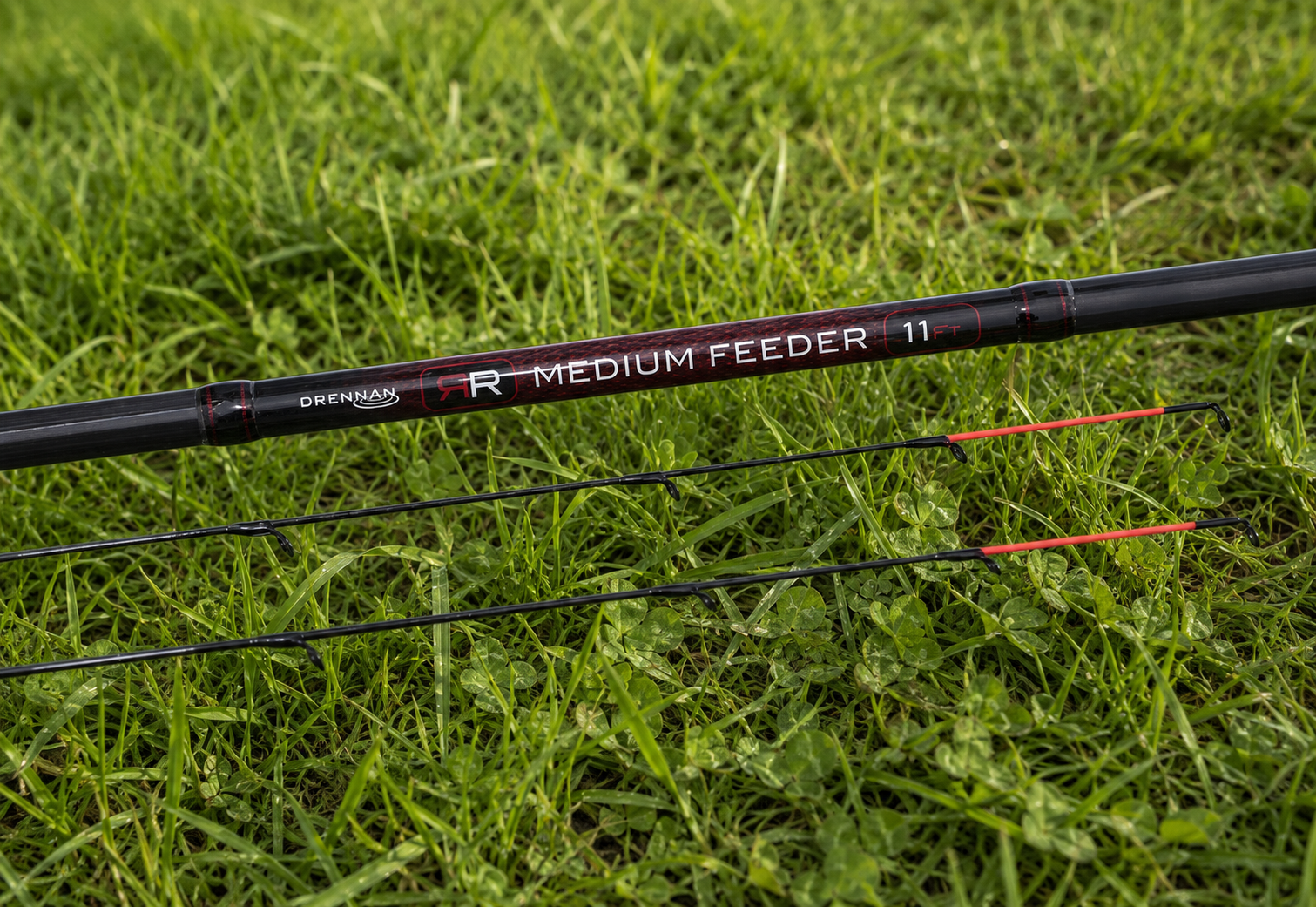
Drennan - Red Range Medium Feeder Rod
A versatile, lightweight feeder rod designed for rivers, lakes and commercial fisheries. With a slim blank and two interchangeable feeder tips, it offers good bite detection and enough versatility for everything from light feeder work to larger feeders.
Best for: General coarse and feeder fishing on rivers, lakes and commercial fisheries.
What we like
- Slim, lightweight blank
- Versatile for different styles of feeder fishing
- Supplied with 1.5oz and 2.5oz glass feeder tips
- Suitable for 4–8lb reel lines
- Good option for both rivers and stillwaters
- Available in 10ft and 11ft versions
Worth knowing
- Only two feeder tips supplied
- Not designed for very heavy or extreme-distance feeder work
How it scored
- Versatility
- 92
- Build & Finish
- 87
- Bite Detection
- 88
- Casting & Handling
- 87
- Value for Money
- 90
Prices checked 2 Sept 2026. We may earn a commission if you buy through these links — it never changes what we recommend.
Groundbait for Roach
Roach respond extremely well to groundbait, but choosing the right consistency is important.
For stillwater fishing, I prefer a relatively fine groundbait that breaks down quickly. Roach don't necessarily need large amounts of food. The groundbait's main job is to attract fish and encourage them to investigate the area around the feeder.
Dark groundbait can be particularly useful in clear water and during colder conditions.
Bright patches of groundbait on the bottom can sometimes make small fish reluctant to feed because they feel exposed to predators. A darker mix blends more naturally with many lake and river beds.
You can add small quantities of:
- Dead maggots
- Casters
- Chopped worms
- Hemp
- Sweetcorn
- Micro pellets
Again, don't add everything at once. A relatively plain groundbait containing a few hook-bait samples is often enough.
The Best Hook Baits for Roach
One of the advantages of roach fishing is that some of the simplest baits are also among the best.
Maggots
Maggots would be my first choice for general roach fishing.
A single red maggot on a size 18 or 20 hook can be extremely effective, particularly during winter. When larger fish are feeding confidently, two maggots on a slightly larger hook can help pick out better roach.
Casters
Casters are excellent when you want to target larger roach.
They tend to be ignored by some of the smallest fish and can therefore produce a better average size. Feeding a mixture of hemp and casters can be particularly effective.
Sweetcorn
Sweetcorn is another useful bait, especially where larger roach are present.
A whole grain may be too much in some situations, so try using a smaller piece of corn on a size 14–16 hook.
Bread
Bread remains an underrated roach bait.
Small pieces of bread punch or flake can produce excellent results, particularly on rivers and during colder weather.
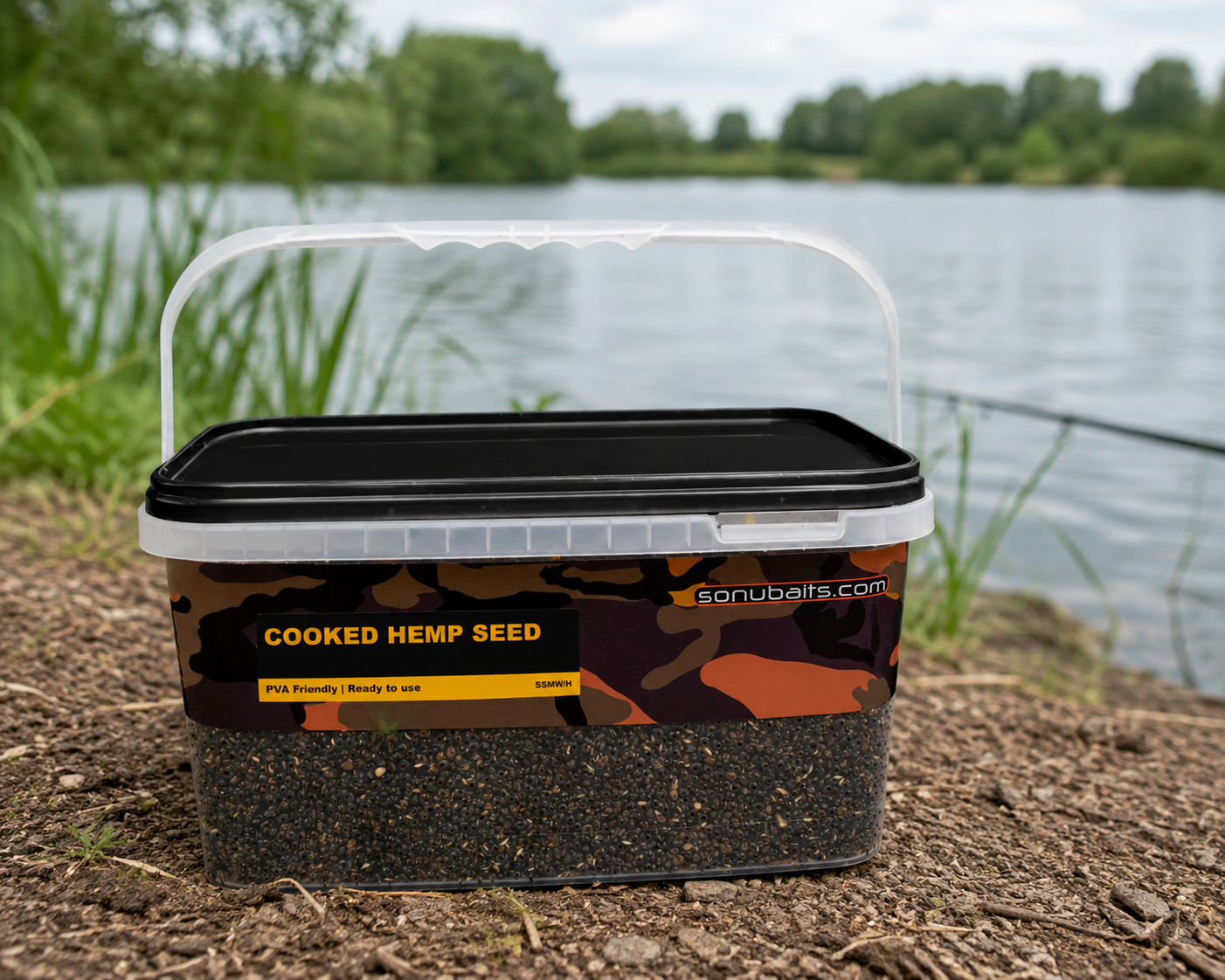
Sonubaits - Cooked Hemp Spod Mix 2.5kg
Ready-prepared cooked hemp seed packed with natural oils and flavour. Convenient and ready to use straight from the bucket, making it an easy way to introduce hemp when feeder fishing, spod fishing or building a particle-based swim.
Best for: Roach, tench, bream, barbel and carp fishing; ideal for feeder mixes, loose feeding, spod mixes and particle fishing.
What we like
- Ready to use straight from the bucket
- Rich in natural oils and attraction
- Excellent for roach and other coarse fish
- Can be added to groundbait and feeder mixes
- PVA friendly
- No preparation or cooking required
- Good 2.5kg quantity
Worth knowing
- More expensive than preparing dry hemp yourself
- Large bucket may be excessive for occasional anglers
How it scored
- Fish Attraction
- 94
- Quality
- 91
- Convenience
- 96
- Versatility
- 91
- Value for Money
- 82
Prices checked 2 Sept 2026. We may earn a commission if you buy through these links — it never changes what we recommend.
Finding the Roach
Don't assume that casting as far as possible will catch more fish.
On many lakes, roach can be found relatively close to the bank, particularly where the water quickly drops into reasonable depth.
On rivers, look for features such as changes in depth, crease lines, slower water alongside the main flow and areas downstream of bends.
Choose a comfortable casting distance and concentrate on accuracy.
One of the biggest advantages of feeder fishing comes from repeatedly placing bait into a relatively small area. Casting 30 metres on one cast, 35 metres on the next and 25 metres afterwards spreads your feed over too large an area.
Use the reel's line clip once you've found your distance and choose a feature on the opposite bank as a casting marker.
Building the Swim
At the beginning of the session, I normally want to introduce a modest amount of bait.
Cast the feeder to the same spot several times, allowing the feeder to reach the bottom before emptying it and retrieving.
You can then bait the hook and start fishing.
Once you begin getting bites, maintain a rhythm.
If roach are feeding confidently, casting every few minutes can keep fresh groundbait entering the swim. When bites slow down, you may need to reduce the amount of feed rather than automatically increasing it.
Roach fishing is often about finding the right feeding rate.
Watching the Quivertip
Once the feeder reaches the bottom, carefully tighten the line until there is a slight bend in the quivertip.
You don't want the tip pulled excessively far around.
Roach bites can vary considerably. Sometimes the tip will pull around decisively, while on other days you may only see a couple of small taps.
Avoid striking at every tiny movement.
A positive pull or a series of increasingly strong movements is usually a much better indication that the fish has properly taken the bait.
You may also see a drop-back bite where the quivertip suddenly straightens. This can happen when a fish moves towards you after picking up the bait.
Feeder Fishing for Roach in Winter
Feeder fishing can be particularly useful during the colder months.
Roach remain willing to feed in relatively low temperatures, but they often become more concentrated in certain areas and their appetite decreases.
Scale everything down.
Use a small feeder, fine hooklength and small hook bait. A single maggot or small piece of bread can be enough.
Groundbait should also be used carefully. You are trying to attract the fish without giving them enough food to fill themselves.
This is one situation where a small feeder packed with fine, dark groundbait can be particularly effective.
Common Mistakes
The most common mistake when feeder fishing for roach is probably using tackle that's unnecessarily heavy.
Heavy feeders, thick hooklengths and large hooks can dramatically reduce the number of bites.
Another mistake is overfeeding.
You can always introduce more bait, but you can't remove groundbait once you've cast it into the water.
Finally, concentrate on casting accurately. A modest cast that lands in almost exactly the same place every time will usually be more productive than repeatedly trying to reach the horizon.
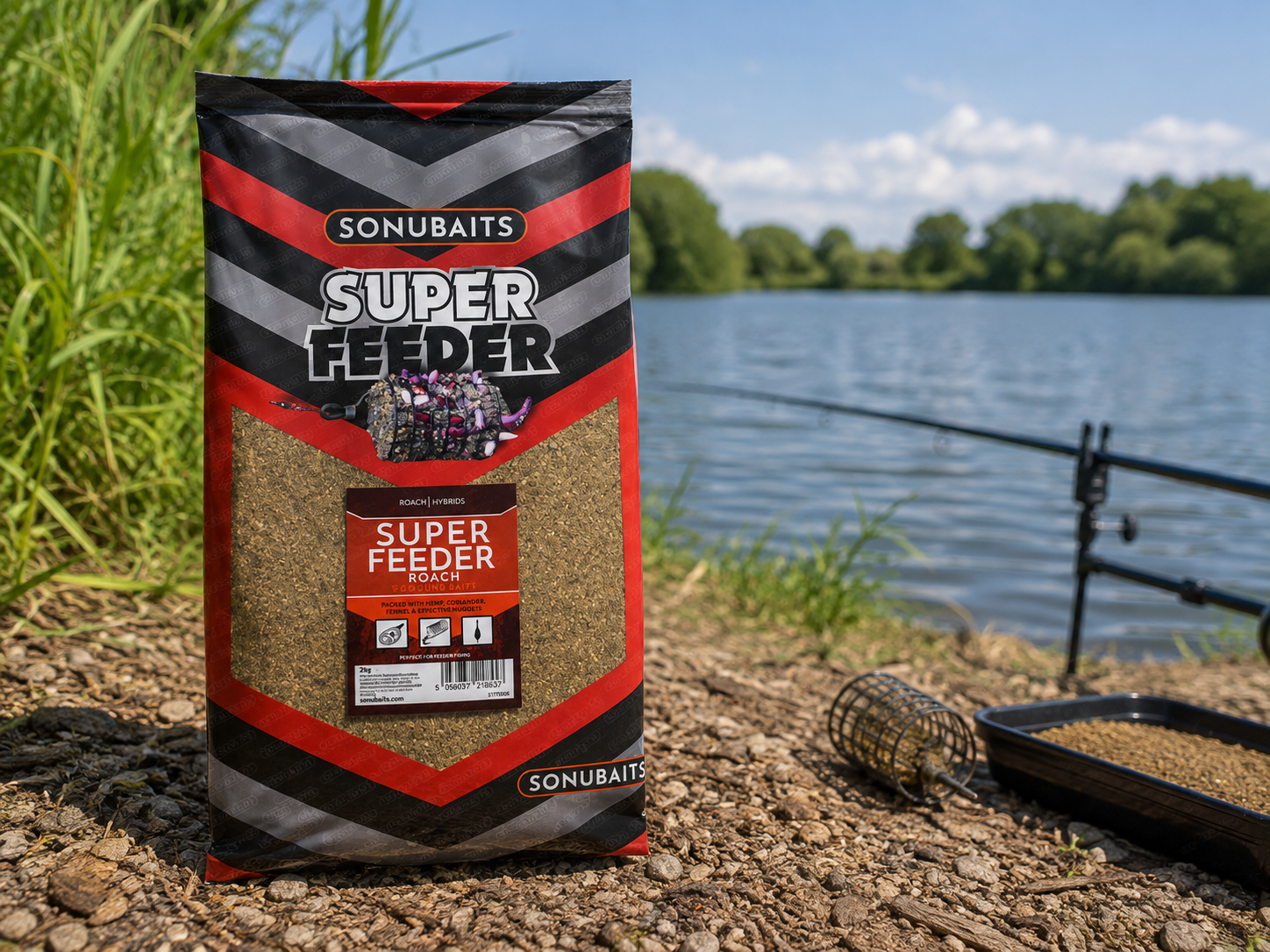
Sonubaits - Super Feeder Roach Groundbait
A fine groundbait developed specifically for feeder fishing for roach and hybrids. Designed to work effectively through a feeder, creating an attractive feeding area around the hook bait without introducing excessive amounts of food.
Best for: Feeder fishing for roach and hybrids on lakes, canals and rivers.
What we like
- Specifically designed for roach
- Ideal consistency for feeder fishing
- Fine mix helps avoid overfeeding
- Suitable for rivers and stillwaters
- Can be combined with maggots, casters or hemp
- Useful throughout the year
Worth knowing
- More specialised than an all-round groundbait
- Larger fish may benefit from a coarser or more substantial mix
How it scored
- Attraction
- 93
- Feeder Performance
- 94
- Consistency
- 91
- Versatility
- 86
- Value for Money
- 90
Prices checked 2 Sept 2026. We may earn a commission if you buy through these links — it never changes what we recommend.
Final Thoughts
Feeder fishing for roach doesn't need to be complicated.
A sensitive feeder rod, small cage feeder, fine hooklength and a tub of maggots are enough to get started. Add some fine groundbait and concentrate on accurate, regular casting.
Once you've found the fish, experiment with your hook bait, hooklength and feeding rate.
Roach are sometimes dismissed as small or easy fish, but targeting better specimens on light feeder tackle can provide excellent fishing. And because roach are found in so many UK waters, it's a method you can use almost anywhere.
The monthly catch-up
One email a month: new guides, tackle worth buying and waters we've fished.
Related guides
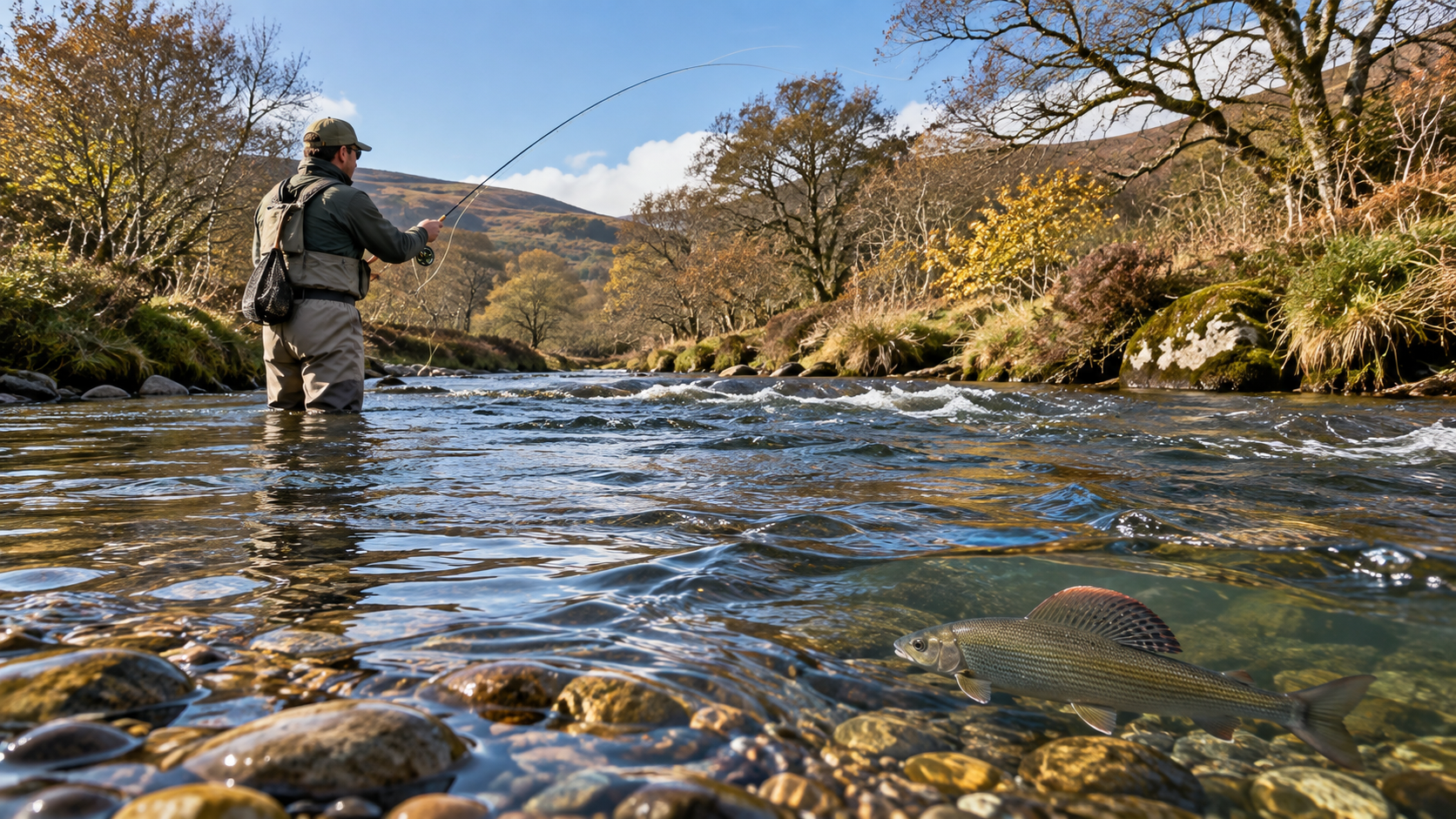
A Beginner’s Guide to Fly Fishing for Grayling
New to grayling fishing? This beginner’s guide explains the essential tackle, flies and techniques you need to start fly fishing for grayling on rivers, from finding fish to making a natural drift.
26 Sept 2026 · 7 min read
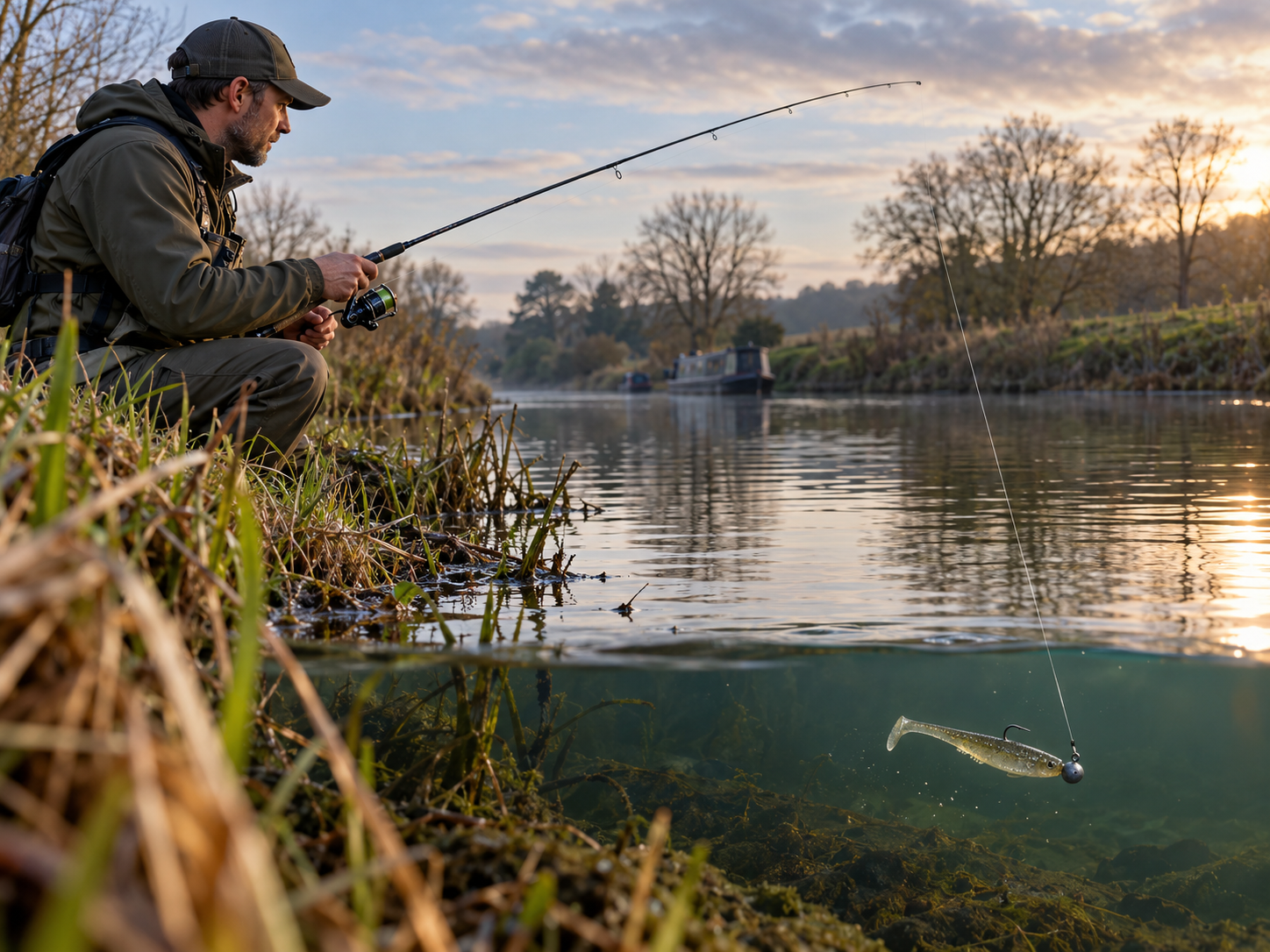
How to Fish Soft Plastic Lures: A Beginner’s Guide
A beginner-friendly guide to fishing soft plastic lures, covering depth control, jigging, steady retrieves, working the bottom and adapting your presentation to catch more predatory fish.
24 Sept 2026 · 6 min read
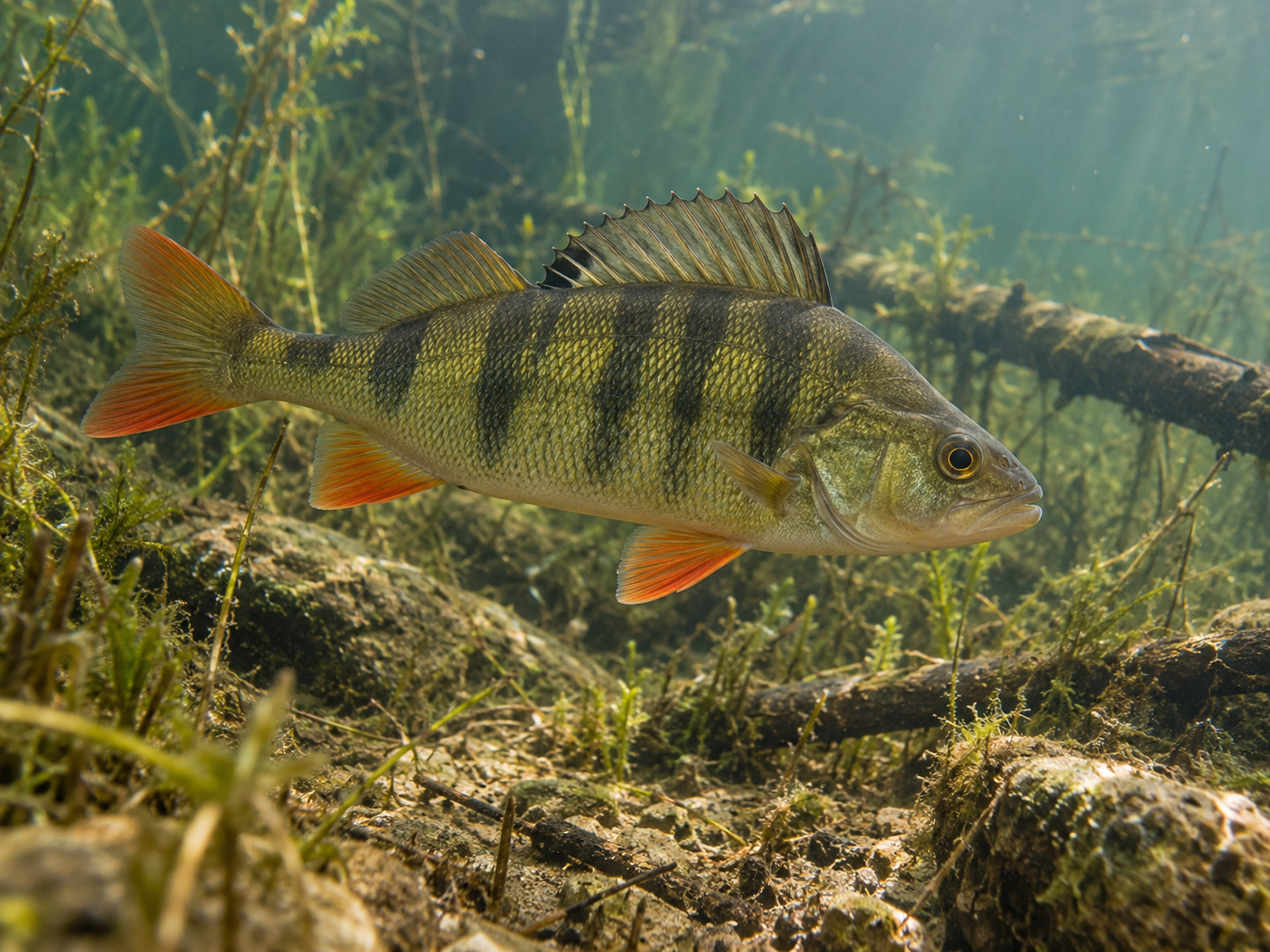
Lure Fishing for Perch
Learn the basics of lure fishing for perch, including how to find fish, choose the right tackle and work soft plastics, spinners and hard lures effectively.
24 Sept 2026 · 6 min read