How to Choose Your First Fly Fishing Rod
Choosing your first fly rod doesn’t need to be complicated. Learn which rod weight, length, action and fly line will give you the best setup for starting trout fishing.
1 July 2026 · 5 min read
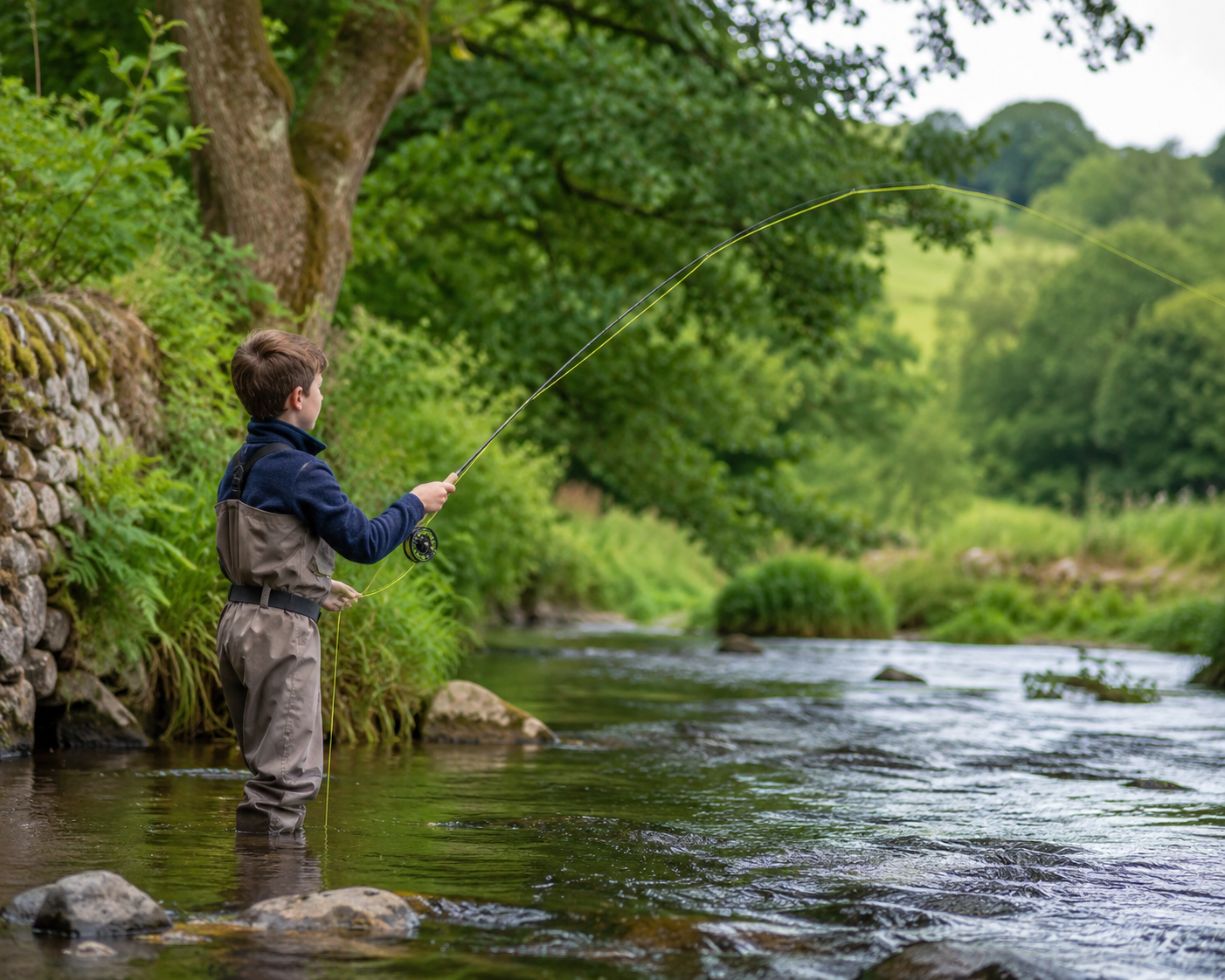
Choosing your first fly fishing rod can seem unnecessarily complicated. Rods come in different lengths, weights and actions, and manufacturers often use terminology that means very little when you're just getting started.
The good news is that most beginners don't need anything particularly specialised.
For general trout fishing in the UK, a 9ft #5 or #6 fly rod is an excellent starting point. It's versatile enough for many rivers and stillwaters and will allow you to learn the basics without quickly outgrowing your first setup.
Here's what you actually need to know before buying one.
Tackle worth buying
Shop rods, reels, terminal tackle and more at Total Fishing Tackle.
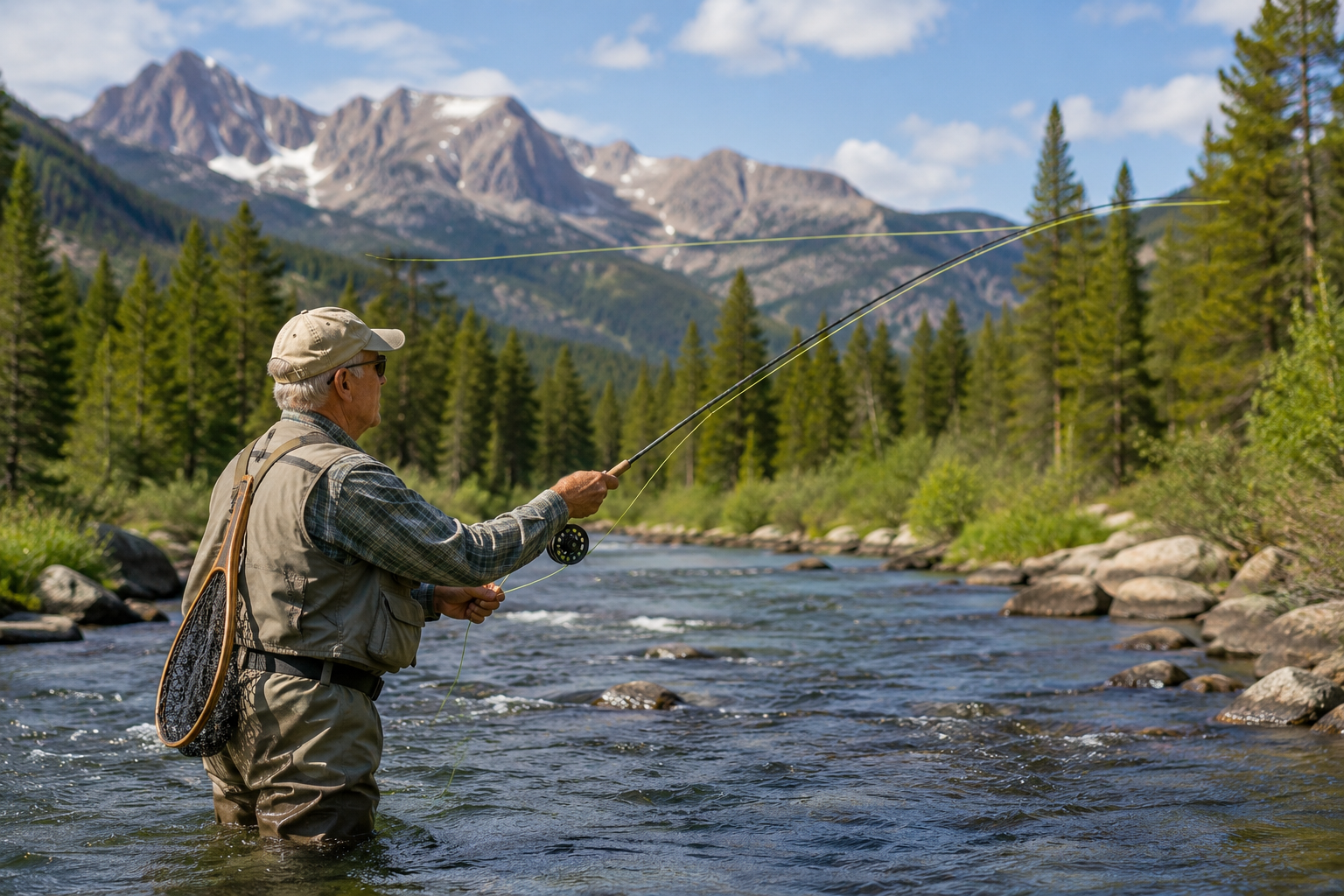
What Does the Weight of a Fly Rod Mean?
Fly rods are normally given a number such as #4, #5, #6 or #7.
Unlike lure rods, this isn't the casting weight of the rod in grams. It refers to the weight of fly line the rod is designed to cast.
As a general guide:
#3–4: Light fishing on small rivers and streams
#5: Excellent all-round choice for trout
#6: Versatile for rivers and stillwaters
#7–8: Heavier trout fishing, larger flies and often reservoir fishing
For your first rod, #5 or #6 is usually the safest choice.
A #5 feels slightly lighter and is particularly enjoyable on rivers, while a #6 provides a little more power for casting larger flies and dealing with windy conditions on lakes.
What Length Fly Rod Should You Buy?
Around 9ft has become the standard length for an all-round trout fly rod, and there's a good reason for it.
It's long enough to control your fly line effectively without becoming cumbersome.
Shorter rods can be useful on tiny streams surrounded by trees and vegetation, while longer rods can help with specialist techniques such as nymph fishing.
But these are considerations for later.
For your first fly rod, keep things simple and choose something around 9ft.
What Is Fly Rod Action?
Rod action describes how much of the rod bends during casting.
A fast-action rod tends to flex mainly towards the tip, while a slower rod bends progressively further down the blank.
Fast rods can generate impressive line speed and long casts, but they're not necessarily the easiest rods on which to learn.
Beginners will often find a medium or medium-fast action more forgiving.
You can feel the rod loading during the cast, which helps you understand the timing needed to move the fly line properly.
Remember that distance isn't everything. Being able to consistently present a fly accurately at 15 metres is far more useful than occasionally casting one 30 metres.
Match the Rod and Fly Line
Your rod and fly line should normally have matching ratings.
If you buy a #5 rod, pair it with a #5 fly line.
For a #6 rod, use a #6 line.
For most beginners, a weight-forward floating line is the best option. It's versatile, relatively easy to cast and suitable for dry flies, nymphs and several other techniques.
Don't make your first setup unnecessarily complicated with multiple sinking lines and specialist shooting heads.
Start with a floating line and learn how to use it properly.
How Important Is the Fly Reel?
Beginners sometimes spend a large proportion of their budget on an expensive fly reel.
For ordinary UK trout fishing, that's rarely necessary.
Your reel primarily needs to hold your fly line and backing, balance reasonably well with the rod and have a reliable drag.
This means it often makes more sense to spend a little more on the rod and fly line rather than buying an expensive reel.
A basic quality reel from a reputable manufacturer should comfortably handle your first few seasons.
Should You Buy a Fly Fishing Kit?
Complete starter outfits can make a lot of sense for beginners.
These normally contain a matched rod, reel and fly line, removing much of the confusion surrounding compatibility.
Some also include backing, a leader and even a small selection of flies.
Avoid simply buying the cheapest kit you can find, though. Extremely cheap fly lines in particular can make learning to cast much harder than it needs to be.
A reasonably priced outfit from an established fishing brand is usually a better investment.
How Much Should Your First Fly Rod Cost?
You don't need a premium fly rod to learn.
Modern manufacturing means there are some very capable rods available at relatively modest prices.
Instead of spending heavily on your first rod, aim for a dependable mid-budget setup and leave some money for the other equipment you'll need.
A good fly line, leaders, flies, landing net, forceps and polarised sunglasses are all more useful to a beginner than owning an expensive rod with nothing left in the budget.
Once you've spent a season fishing, you'll also have a much better idea of what you actually want from your next rod.
Think About Where You'll Actually Fish
Before buying anything, consider where you're likely to spend most of your time.
If you'll mainly fish small streams for wild trout, a lighter and shorter rod might make sense.
If you're planning to visit stocked lakes and reservoirs, a #6 or #7 outfit may be more practical.
If you're not sure yet, that's another reason to choose a 9ft #5 or #6.
It gives you enough versatility to try different styles of trout fishing before deciding whether you need more specialised equipment.
Keep Your First Setup Simple
It's easy to become distracted by specifications when choosing fishing tackle.
For most beginners, there's no need.
A 9ft #5 or #6 medium-action fly rod, matching reel and weight-forward floating line will cover an enormous amount of trout fishing.
Rather than worrying about buying the perfect rod, concentrate on finding something comfortable and well balanced.
Then spend your time learning to cast it.
Your technique, presentation and ability to understand the water will ultimately catch far more trout than the name printed on the side of your fly rod.
The monthly catch-up
One email a month: new guides, tackle worth buying and waters we've fished.
Related guides
Fly Fishing for Beginners: A Simple Guide to Getting Started
New to fly fishing? Learn the essential tackle, flies, casting basics and simple techniques you need to start catching trout with confidence.
26 Aug 2026
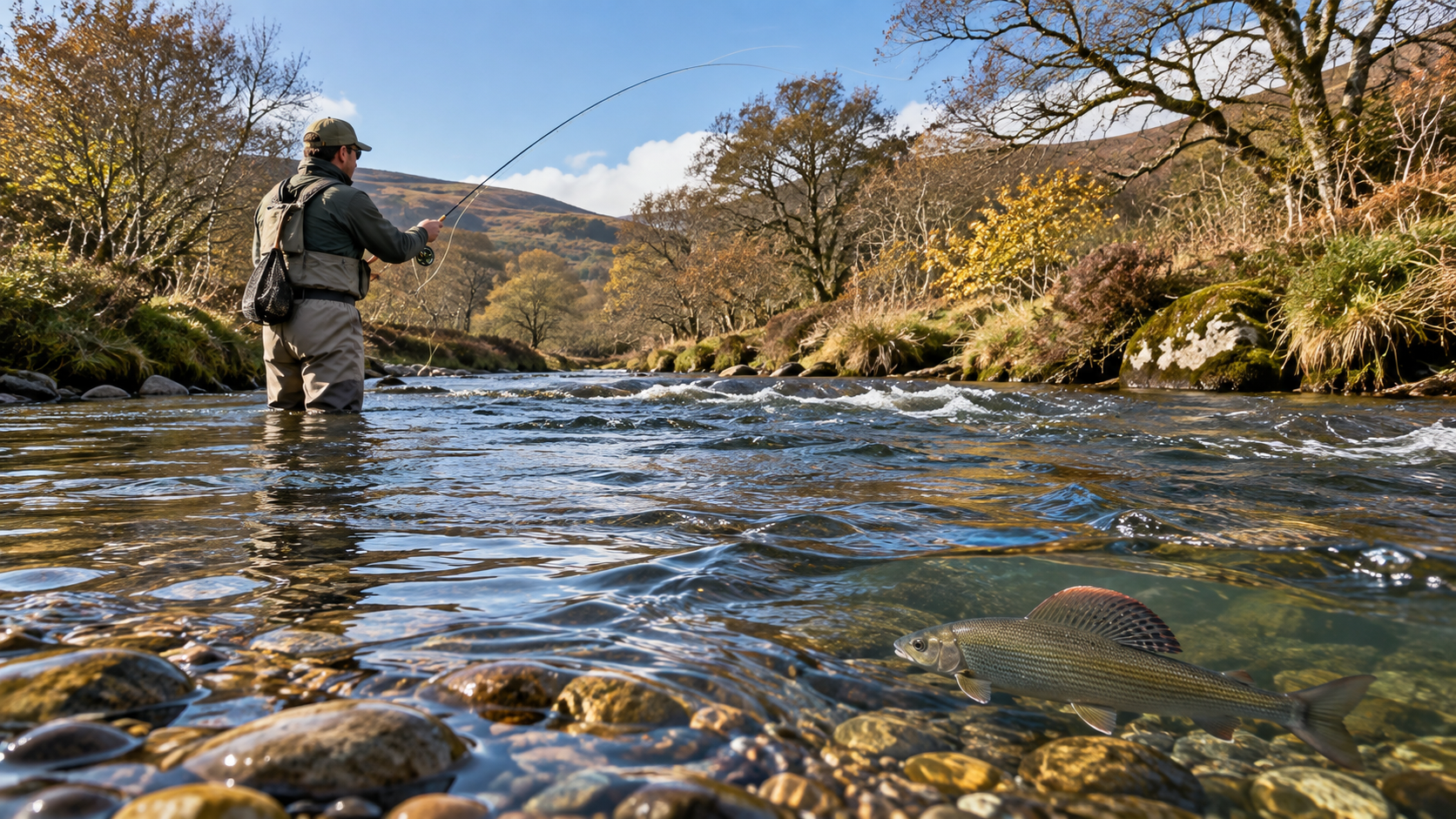
A Beginner’s Guide to Fly Fishing for Grayling
New to grayling fishing? This beginner’s guide explains the essential tackle, flies and techniques you need to start fly fishing for grayling on rivers, from finding fish to making a natural drift.
26 Sept 2026 · 7 min read
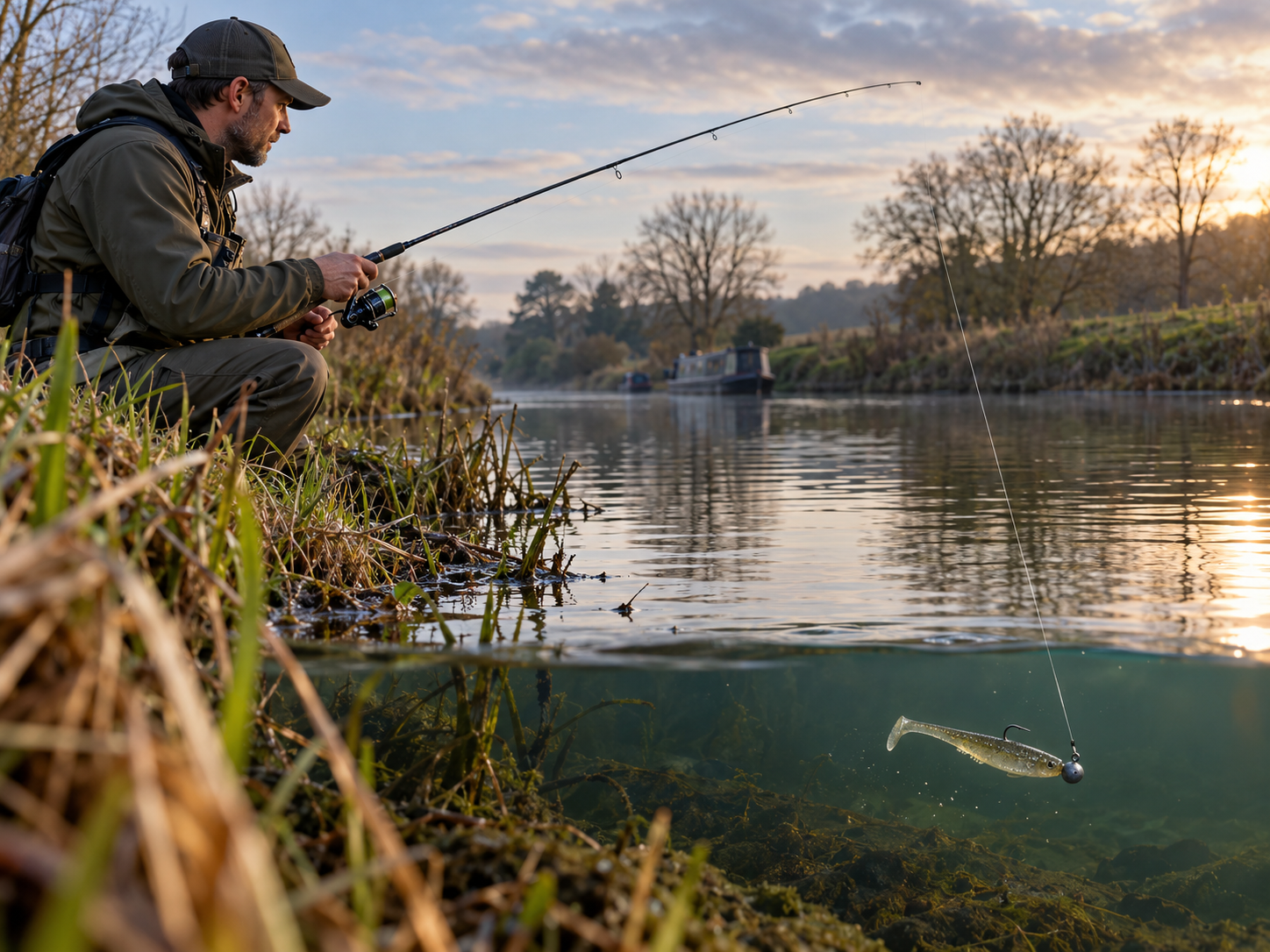
How to Fish Soft Plastic Lures: A Beginner’s Guide
A beginner-friendly guide to fishing soft plastic lures, covering depth control, jigging, steady retrieves, working the bottom and adapting your presentation to catch more predatory fish.
24 Sept 2026 · 6 min read