
Using Deadbaits for Pike: Baits, Rigs and Fishing Tactics
Deadbait fishing is one of the most effective ways to target pike, particularly during the colder months. Discover how to choose the right deadbaits, locate feeding fish, use effective float and ledger rigs, and handle pike safely.
23 September 2026
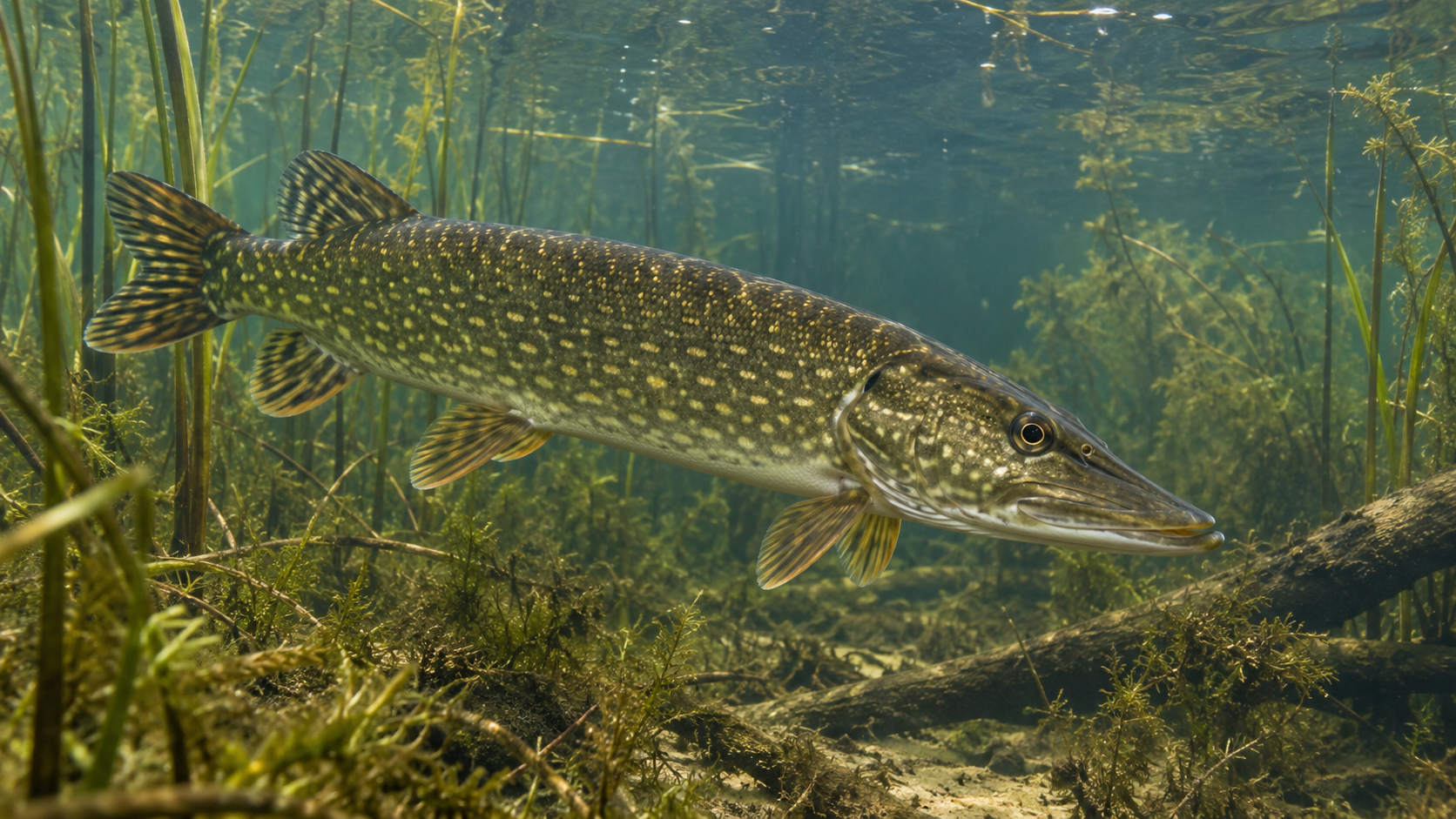
Deadbait fishing is one of the most established methods of targeting pike in UK waters. Whether fishing a large reservoir, a quiet gravel pit or a slow-moving river, presenting a dead fish can be an extremely effective way to catch these impressive freshwater predators.
Although pike are often associated with chasing live prey, they are also opportunistic feeders that readily take advantage of dead or injured fish. This makes deadbaiting particularly useful during the colder months, when pike may be less inclined to chase fast-moving prey.
One of the main advantages of deadbait fishing is its versatility. Different baits can be presented on the bottom, suspended beneath a float or positioned close to underwater features where pike are likely to hunt.
However, successful deadbaiting requires more than casting a fish into the water and waiting for a bite. Understanding pike behaviour, choosing suitable baits and using the correct tackle are all important considerations. Equally important is ensuring that your fishing methods allow you to detect bites quickly and unhook fish safely.
Tackle worth buying
Shop rods, reels, terminal tackle and more at Total Fishing Tackle.
Why Deadbaits Are So Effective for Pike
Pike are highly effective predators, capable of accelerating rapidly to capture passing fish. However, they are also opportunistic feeders and will readily take advantage of an easy meal when the opportunity arises.
A dead fish provides food without requiring the pike to expend energy chasing and capturing live prey. This can be particularly attractive during colder conditions, when feeding activity may become less frequent and fish are sometimes reluctant to pursue moving baits.
The natural scent released by a deadbait can also help pike locate it. Oily sea fish are particularly popular because their flesh releases oils and other substances into the surrounding water. This can be useful in coloured water, where visibility is limited and pike may rely more heavily on their other senses to investigate potential food.
Although deadbaiting is traditionally associated with winter pike fishing, the method can be effective whenever conditions are suitable. The important consideration is understanding where pike are likely to be feeding and presenting your bait in a position where they can find it.
Choosing the Right Deadbait
The choice of deadbait can make a considerable difference to your fishing, particularly on waters where pike regularly encounter anglers using conventional baits.
Mackerel is one of the most widely used deadbaits in UK pike fishing. Its oily flesh releases a distinctive scent, while its relatively firm body makes it suitable for casting. Small whole mackerel can be used, although larger fish are often cut into sections to provide a more manageable bait.
Sardines are another popular option. Their soft, oily flesh can be particularly attractive, but they are considerably more delicate than mackerel. A sardine that has been allowed to thaw completely may become difficult to cast without damaging it, so many anglers prefer to use them while they are still partially frozen.
Smelt are also well established among experienced pike anglers. Their distinctive cucumber-like smell and relatively compact size make them a useful alternative when fishing with smaller baits. They can be particularly effective when a subtle presentation is required.
Freshwater fish such as roach and rudd can also be excellent deadbaits, especially on waters where they form a substantial part of the pike's natural diet. However, their use is restricted on some fisheries because of concerns about disease transmission and the movement of fish between waters.
Always check the fishery rules before using freshwater deadbaits, and never transfer bait fish between waters without the necessary permission.
For most anglers, commercially prepared frozen deadbaits offer a convenient and reliable option. They can be stored in a freezer and transported in an insulated cool bag, allowing you to take several different bait types to the water without them deteriorating.
Finding the Best Locations for Deadbait Fishing
Finding pike is often more important than choosing between different deadbaits. Even the most attractive bait is unlikely to produce results if it is presented in an area that pike rarely visit.
Pike frequently position themselves close to features that provide opportunities to ambush prey. Weed beds, reed margins and submerged trees can all be productive, particularly when these areas are regularly visited by smaller fish.
However, the presence of prey fish is often the most important consideration. During the colder months, shoals of roach, bream and other coarse fish may gather in particular areas of a lake or river. Pike often remain close to these concentrations, taking advantage of feeding opportunities as they arise.
On lakes, changes in depth can be particularly interesting. A shallow shelf dropping into deeper water may provide an excellent hunting area, especially when prey fish regularly move between the two. In rivers, slower water alongside the main current can offer pike a place to conserve energy while remaining close to passing prey.
Observing the water before choosing your swim can reveal useful information. If prey fish are regularly breaking the surface or gathering around a particular feature, there may be pike nearby.
It is also worth remembering that pike do not always feed directly on the bottom. Although ledgered deadbaits can be extremely effective, suspending a bait beneath a float may be a better approach when fish are holding higher in the water.
Presenting Deadbaits with Float and Ledger Rigs
Two of the most established deadbait presentations are the running ledger and the float rig. Both can be effective, although their suitability depends on the location and the way you want to present your bait.
A running ledger is particularly useful when fishing over a relatively clear lakebed. It allows a deadbait to be positioned on or close to the bottom while providing an arrangement that can register a taking fish with minimal resistance.
When fishing over soft silt or dense weed, however, a bait presented directly on the bottom may become difficult for pike to locate. In these situations, suspending a deadbait beneath a float can help keep it accessible.
Float fishing also provides a useful visual indication of activity around the bait. A float moving unexpectedly, dipping beneath the surface or travelling across the water may indicate that a pike has taken the deadbait.
Whichever method you choose, suitable tackle is essential. Pike have extremely sharp teeth that can easily damage ordinary monofilament hooklinks, so a properly constructed wire trace should be used. A conventional deadbait trace normally incorporates two appropriately sized treble hooks, positioned to secure the bait and provide an effective hooking arrangement.
Your rod and reel should be capable of handling the weight of the bait and controlling a powerful fish, particularly when fishing near underwater obstructions.
It is also important to use a fish-safe rig that will not leave a pike tethered to a lead if the main line breaks. If you are unfamiliar with constructing pike rigs, learning from an experienced pike angler is strongly advisable.
Recognising Bites and Striking Promptly
One of the most important differences between deadbait fishing for pike and many other forms of freshwater angling is the need to strike promptly.
Pike can swallow a deadbait surprisingly quickly, particularly when they take a bait confidently. Allowing a fish to run with the bait increases the risk of deep hooking, which can make safe unhooking considerably more difficult.
For this reason, reliable bite indication is essential. When ledgering, a suitable bite alarm and visual indicator can help identify line movement, including drop-back bites when a fish moves towards the angler.
Float fishing provides a more direct visual indication, although the float must remain clearly visible throughout the session.
When a take is confirmed, wind down to the fish and strike promptly rather than deliberately allowing it additional time to swallow the bait.
Pike rods should never be left unattended, even when fishing apparently quiet water. A pike can take a bait at any time, and an unattended rod may result in a deeply hooked fish or lost tackle.
Careful rod positioning is also important when fishing near snags. A hooked pike may immediately attempt to reach submerged branches or dense weed, so you need to be able to take control of the fish without delay.
Handling and Returning Pike Safely
The monthly catch-up
One email a month: new guides, tackle worth buying and waters we've fished.
Related guides
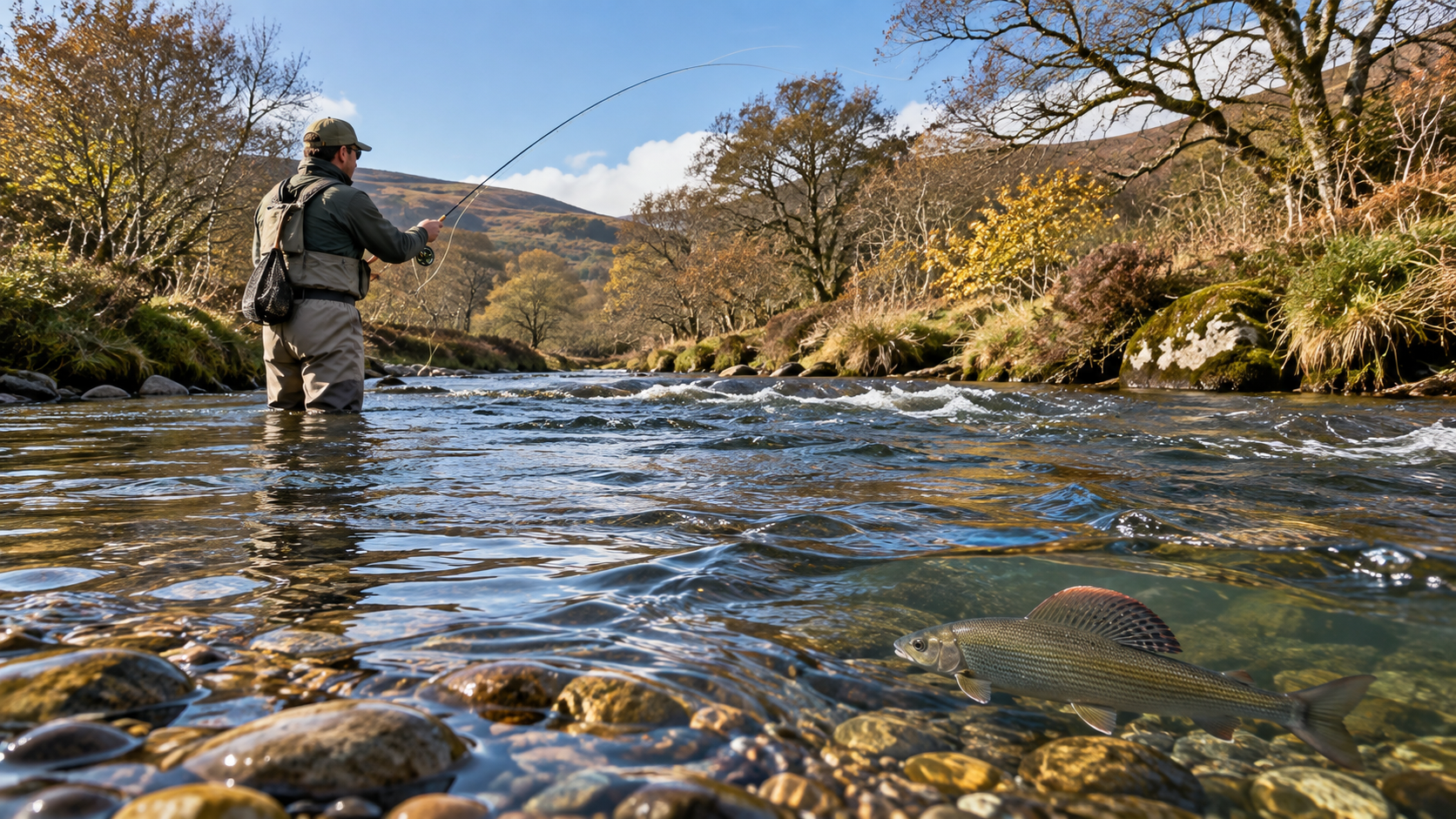
A Beginner’s Guide to Fly Fishing for Grayling
New to grayling fishing? This beginner’s guide explains the essential tackle, flies and techniques you need to start fly fishing for grayling on rivers, from finding fish to making a natural drift.
26 Sept 2026 · 7 min read
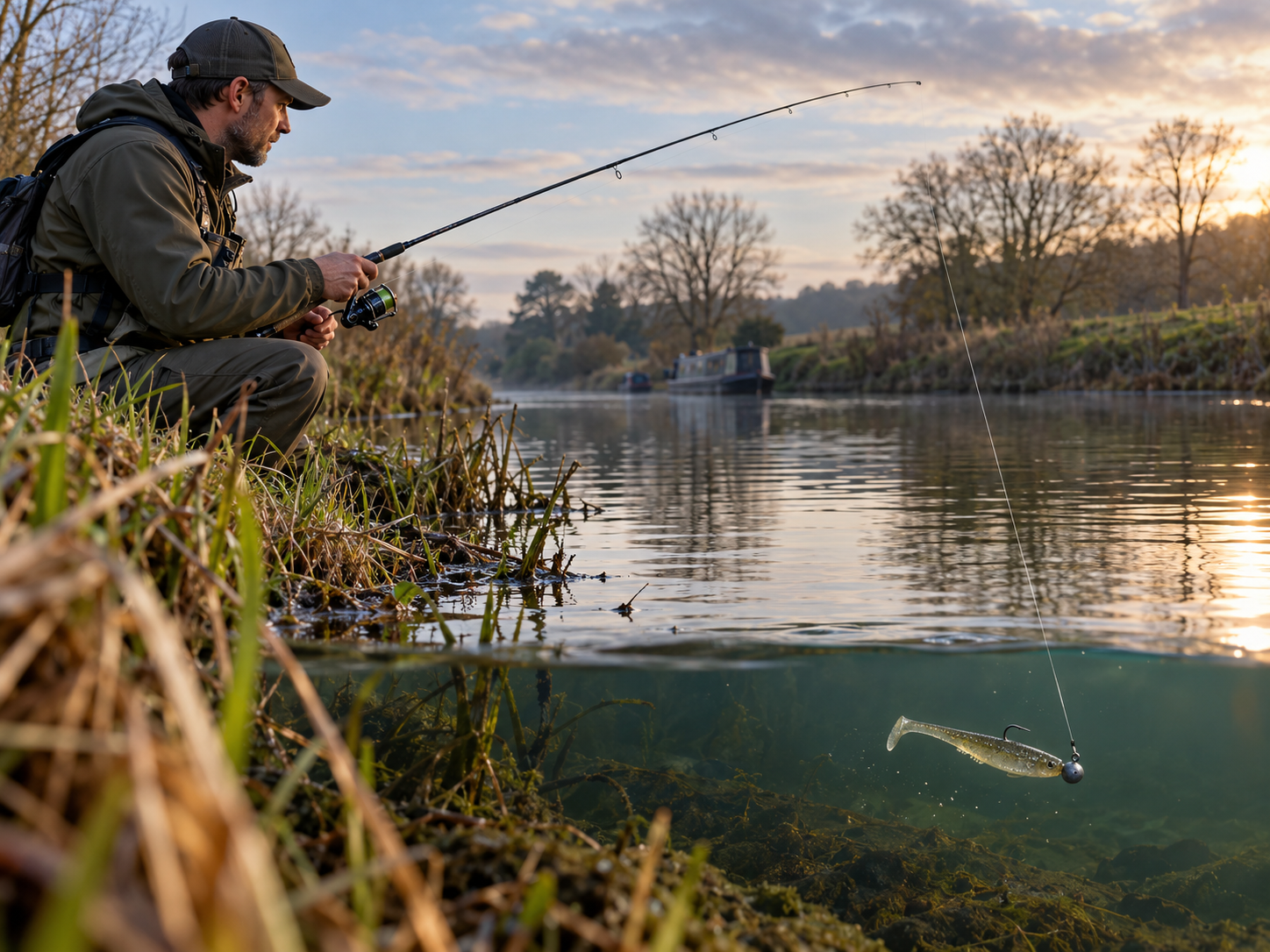
How to Fish Soft Plastic Lures: A Beginner’s Guide
A beginner-friendly guide to fishing soft plastic lures, covering depth control, jigging, steady retrieves, working the bottom and adapting your presentation to catch more predatory fish.
24 Sept 2026 · 6 min read
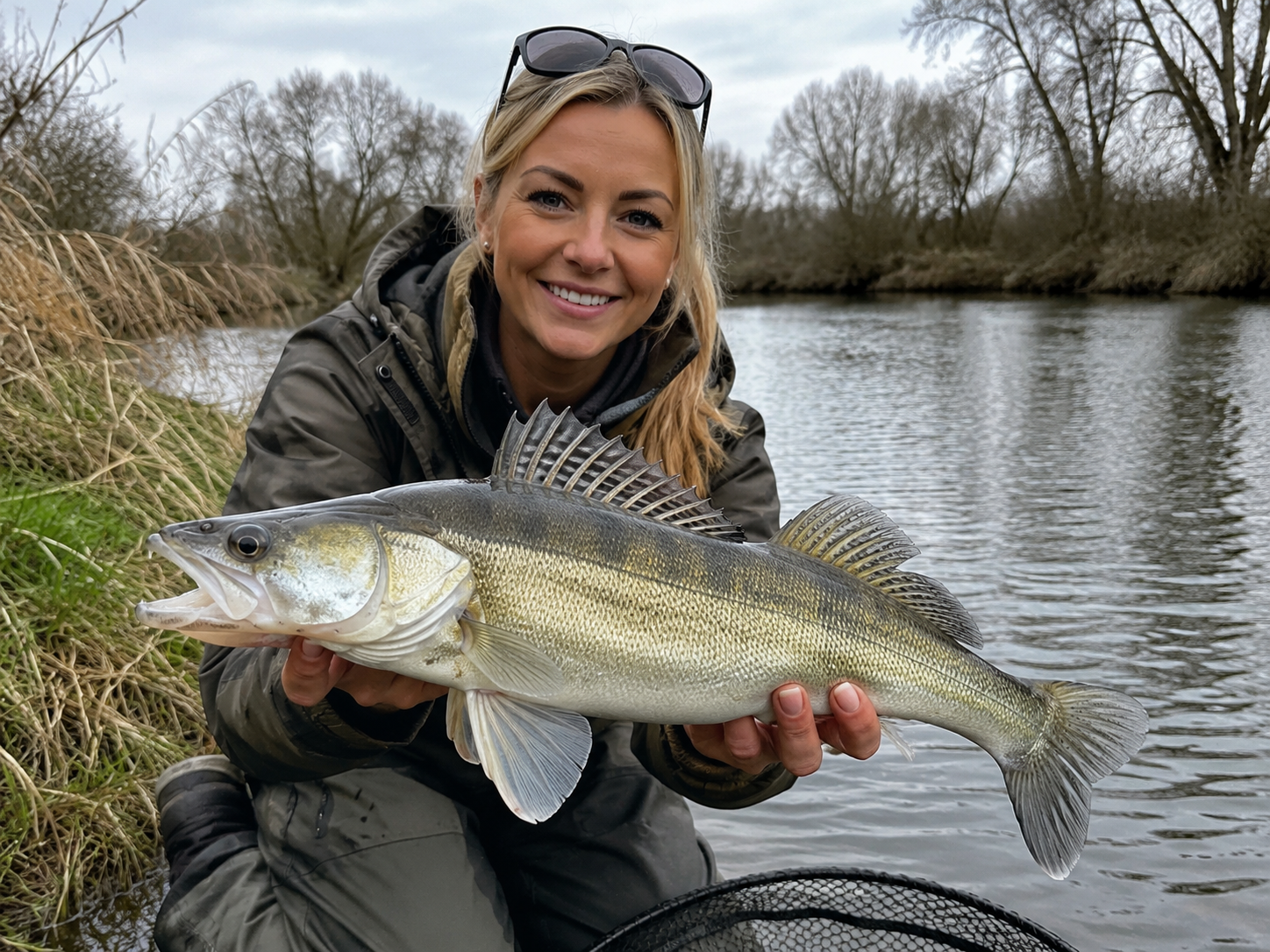
A Beginner’s Guide to Zander Fishing
New to zander fishing? This beginner’s guide explains where to find zander, how to fish soft plastics and deadbaits, what tackle to use and how to improve your chances of catching this fascinating predator.
24 Sept 2026 · 6 min read