Is It Too Early to Start Pike Fishing?
Traditional wisdom says wait for the first frosts. Water temperature, not the calendar, should decide when you start piking - and how you handle the fish you catch.
By The Better Angler · 18 August 2026 · 5 min read
Is It Too Early to Start Pike Fishing?
Traditional wisdom says wait for the first frosts. But pike don't own calendars. Water temperature, conditions and how you handle the fish should decide when you start pike fishing — not simply the month.
Every autumn the same question appears: is it too early to fish for pike?
Some anglers won't start until October. Others wait for the first frost. In reality, a cool September following a poor summer can produce very different conditions from a warm October.
The date is only part of the picture.
Tackle worth buying
Shop rods, reels, terminal tackle and more at Total Fishing Tackle.
Why warm water matters
One of the main reasons anglers avoid targeting pike during warmer weather is fish welfare.
Warm water generally holds less dissolved oxygen, which can make recovery after capture more difficult. A pike that's been played for too long and then kept out of the water during a slow unhooking can become seriously stressed.
Once water temperatures are getting towards roughly 18°C and above, I'd be increasingly cautious about deliberately targeting pike, particularly on shallow, still or heavily weeded waters.
That isn't a magic cut-off point. A deep, windswept reservoir can be very different from a shallow lake at the same temperature.
Look at the conditions in front of you rather than relying on one number.
Do you really need to wait for the first frost?
You'll often hear anglers say they don't start pike fishing until the first frost.
There's nothing wrong with waiting, but frost itself isn't what makes pike fishing safe.
One cold night can put frost on the bank while the water beneath the surface remains relatively warm. Equally, several weeks of cool and windy weather can bring water temperatures down considerably without producing any frost at all.
A cheap fishing thermometer can therefore be far more useful than the calendar.
The type of water makes a difference
Not every fishery cools at the same rate.
Shallow lakes can respond quickly to changing weather, while deep gravel pits may retain heat for considerably longer. Rivers are different again, with flow, rainfall and changing water levels affecting conditions.
That's why there can't really be a universal date for the start of pike fishing.
Check the water you're actually planning to fish.
A sensible starting point
Lures can be a sensible starting point
Once conditions have cooled sufficiently, lure fishing can be a good way to begin the pike season.
Because you're actively holding the rod, takes can normally be responded to immediately. This can reduce the risk of deep hooking compared with poorly managed static deadbait fishing.
Use tackle strong enough to land the fish efficiently rather than unnecessarily light gear that prolongs the fight.
Getting a pike in, unhooked and returned quickly should always be more important than making the fight last longer.
What about deadbaiting?
I'd be more cautious about rushing into static deadbait fishing while conditions remain relatively mild.
Poor bite indication or waiting too long before striking can result in deeply hooked fish. That's something you particularly want to avoid when a pike may already be stressed by warmer water.
There is little disadvantage in saving serious deadbaiting for genuinely colder conditions.
Handle with respect
Before deliberately targeting pike, make sure you're equipped to deal with one properly.
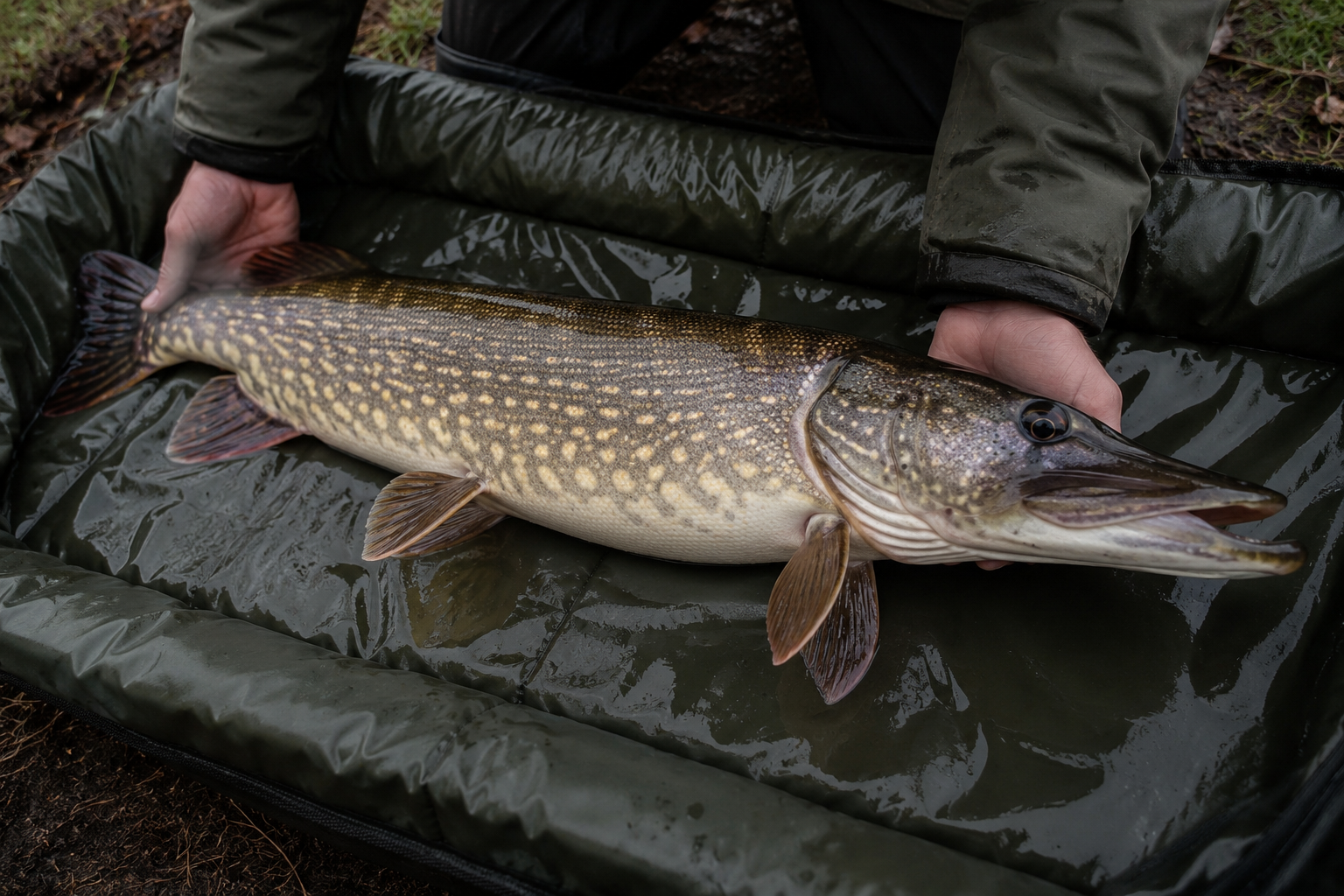
You should have a large unhooking mat, suitable landing net, long forceps and strong side cutters ready before you cast.
Side cutters are particularly important. If a treble hook becomes awkwardly positioned, cutting the hook can be much safer than spending several minutes trying to manoeuvre it free.
If you've never handled or unhooked a pike before, go with an experienced pike angler the first few times.
Keep photography and weighing quick, and return the fish as soon as possible.
When I'd leave the pike rods at home
I'd wait if the water was still unusually warm, we'd just experienced prolonged hot weather, the lake was stagnant or poorly oxygenated, or I wasn't confident that I could land and unhook the fish efficiently.
There's always another species to target.
Waiting another week or two isn't missing the pike season.
So, is it too early?
Possibly — but the date alone won't tell you.
Look at recent weather, water temperature and the type of fishery you're planning to visit. Once the prolonged summer heat has gone and the water is cooling steadily, conditions become much more suitable.
Lure fishing with strong tackle and good fish-handling equipment can then be an excellent way to begin your season.
If the water is still holding summer temperatures, wait.
The first frost might be an old angling tradition, but the conditions in front of you are a much better guide.
The monthly catch-up
One email a month: new guides, tackle worth buying and waters we've fished.
Related guides
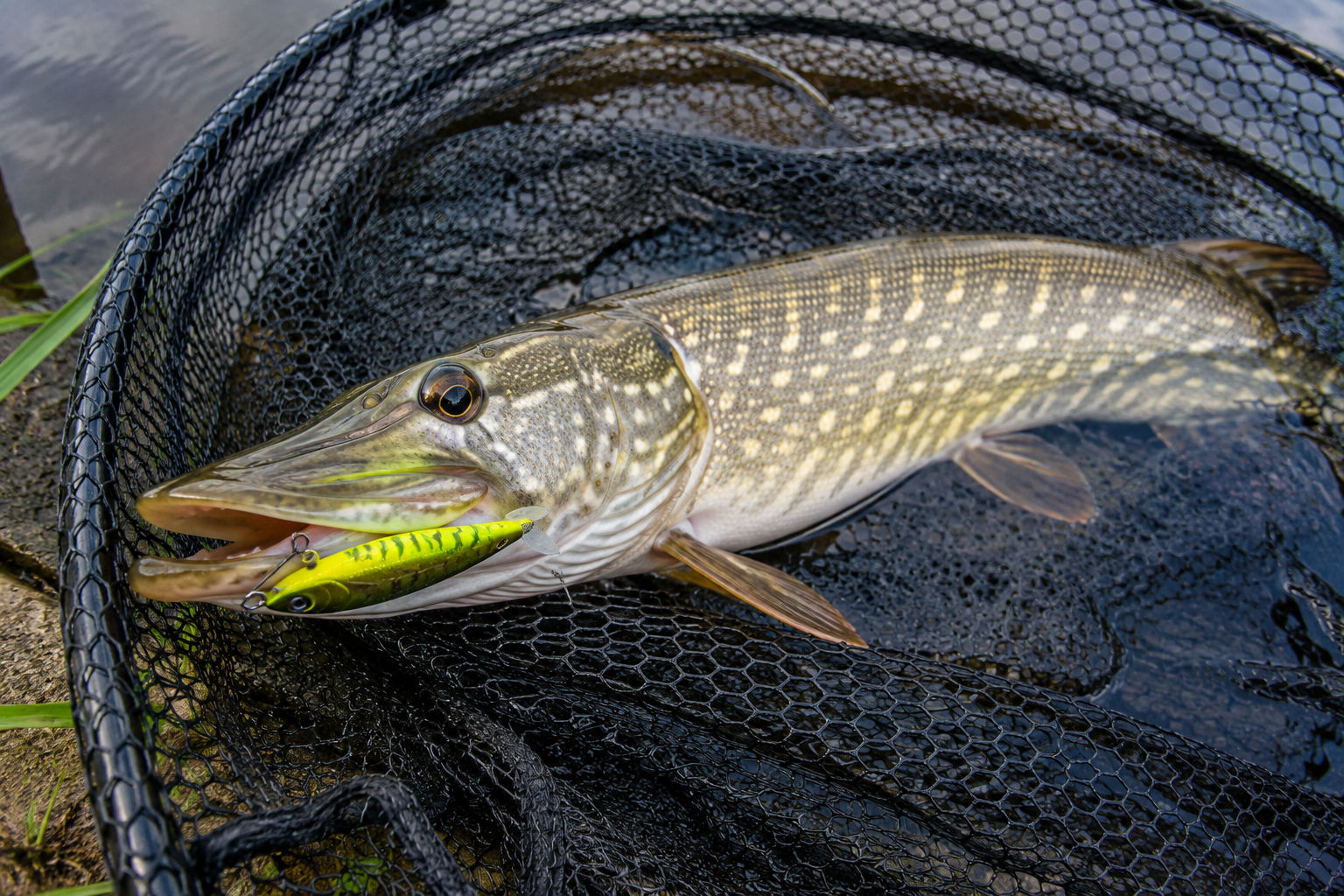
A Beginner’s Guide to Lure Fishing for Pike
Learn how to catch pike on lures with this beginner-friendly guide covering tackle, lure choice, where to find pike, retrieval techniques and safe fish handling.
3 Aug 2026 · 8 min read
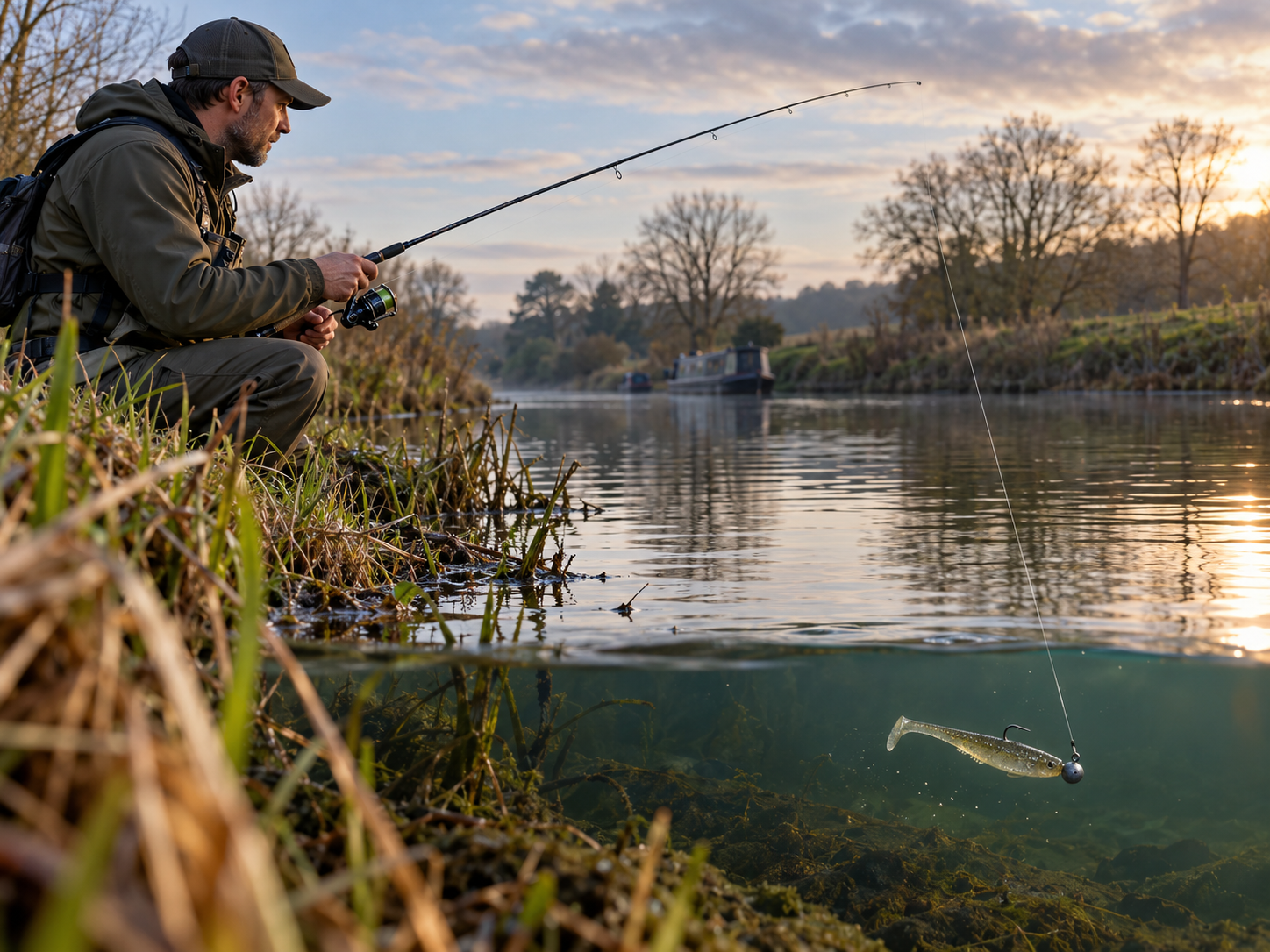
How to Fish Soft Plastic Lures: A Beginner’s Guide
A beginner-friendly guide to fishing soft plastic lures, covering depth control, jigging, steady retrieves, working the bottom and adapting your presentation to catch more predatory fish.
24 Sept 2026 · 6 min read
Using Deadbaits for Pike: Baits, Rigs and Fishing Tactics
Deadbait fishing is one of the most effective ways to target pike, particularly during the colder months. Discover how to choose the right deadbaits, locate feeding fish, use effective float and ledger rigs, and handle pike safely.
23 Sept 2026