Lure Fishing for Beginners: A Simple Guide to Getting Started
A simple beginner’s guide to lure fishing, covering the essential tackle, best lures, where to find predators and how to catch your first perch or pike.
26 August 2026
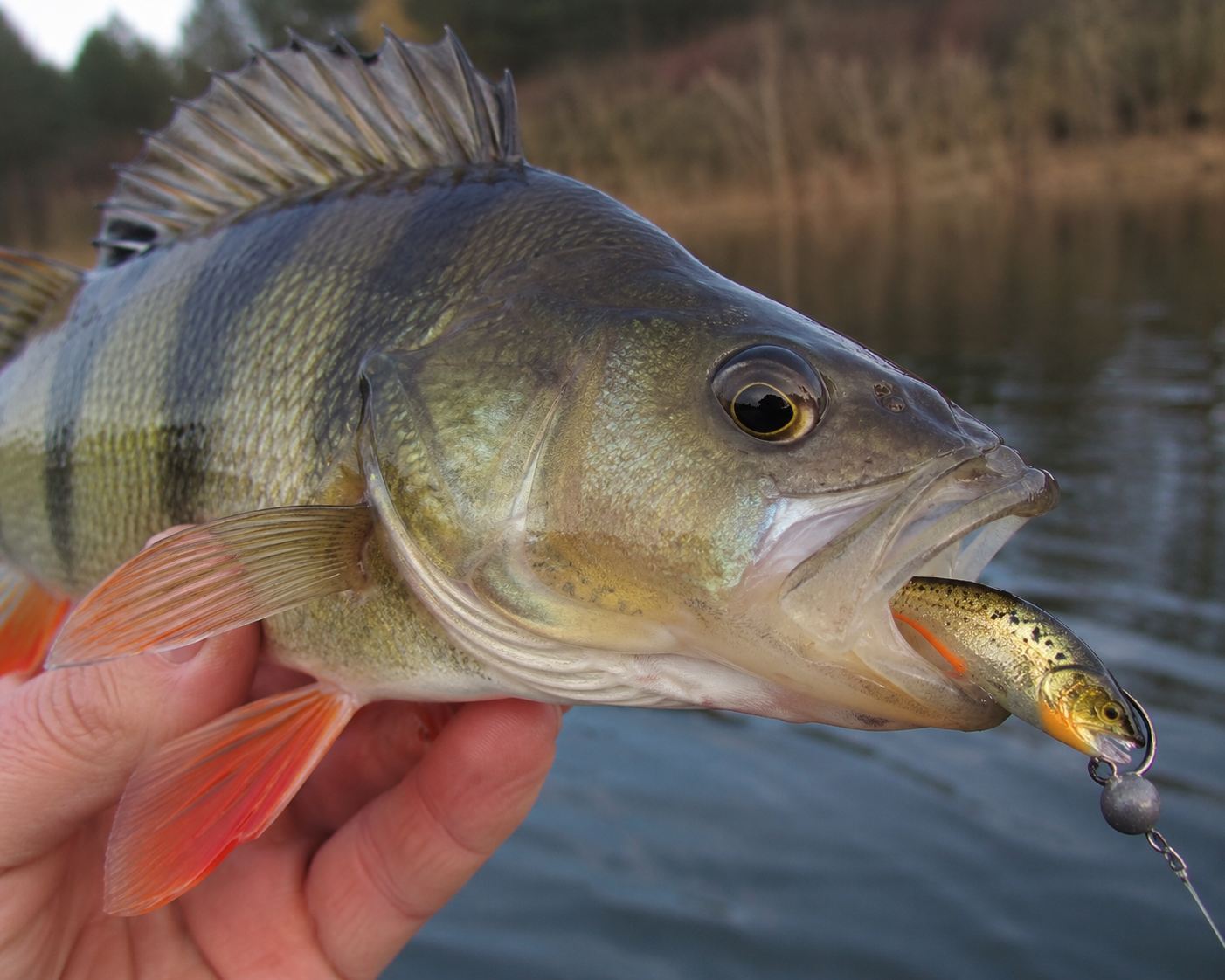
Lure fishing is one of the easiest and most enjoyable ways to start predator fishing. You don't need piles of tackle or complicated rigs. A rod, reel, a few lures and some basic unhooking equipment are enough to get started.
It's also an active style of fishing. Rather than casting out and waiting, you're constantly searching the water, changing retrieves and looking for predators. In the UK, perch and pike are the main targets, although chub and several other species will also take lures.
What Is Lure Fishing?
A fishing lure is an artificial bait designed to encourage a fish to attack. Some imitate small fish, while others attract predators through movement, vibration, flash or colour.
You cast the lure into likely areas and retrieve it through the water. By changing the speed, depth and action of your retrieve, you can make the same lure behave in very different ways.
What Tackle Do You Need?
Keep your first setup simple.
A 7–8ft spinning rod is a good choice for general perch and light predator fishing. Look at its casting weight as well as its length. A rod rated around 5–25g or 10–30g will handle many popular small and medium-sized lures.
Pair it with a 2000–3000 size spinning reel.
Many lure anglers prefer braided main line because it has very little stretch. This makes it easier to feel bites and what's happening at the lure.
If there's any chance of catching pike, use a suitable pike-resistant leader. Pike have extremely sharp teeth and can quickly cut through ordinary fishing line.
Tackle worth buying
Shop rods, reels, terminal tackle and more at Total Fishing Tackle.
Best Lures for Beginners
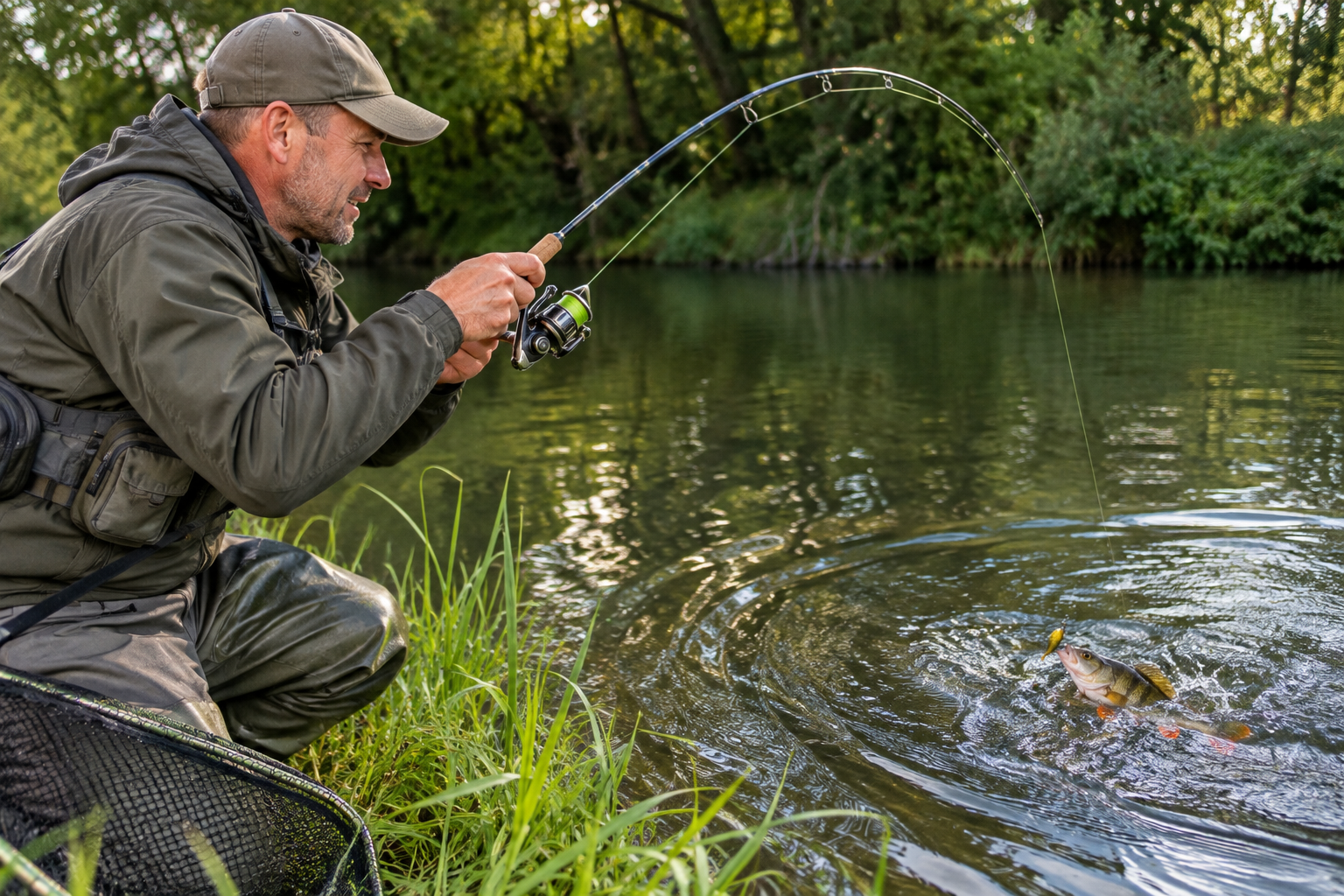
Tackle shops can make lure fishing look far more complicated than it needs to be. You don't need dozens of different lures.
Start with a few proven styles.
Soft Plastics
Small paddle-tail lures mounted on jig heads are excellent for beginners, particularly when targeting perch.
They can simply be cast out and retrieved steadily, or allowed to sink and worked closer to the bottom.
Spinners
Spinners have been catching predators for generations.
As they're retrieved, a metal blade rotates around the lure, creating flash and vibration. Cast one out and wind it back steadily and you're already fishing effectively.
Hard Lures
Crankbaits and minnow-style lures imitate small fish and can catch both perch and pike.
Different models work at different depths, so check whether a lure floats, sinks or suspends before buying it.
Where Should You Cast?
Finding predators is more important than having the perfect lure.
Predatory fish often position themselves around features where they can hide or ambush prey.
On rivers, look for overhanging trees, bridges, weed beds, deeper bends and areas where fast and slow water meet.
On canals, try locks, bridges, reed beds and moored boats. On lakes, concentrate on weed edges, islands, drop-offs and areas where small fish are gathering.
Don't assume you always need to cast towards the horizon. Perch and pike frequently hunt surprisingly close to the bank.
Keep Moving
Lure fishing is about searching for fish.
Make several casts around a promising area and try different angles. If nothing happens, move to the next feature.
Travelling light makes this much easier. A rod, landing net and small bag containing your lures and unhooking equipment is often all you need.
Covering water will usually give you a better chance of finding active predators than spending hours repeatedly casting into the same spot.
Change Your Retrieve
If you're not getting bites, don't immediately change your lure.
Change how you're fishing it first.
Try retrieving more slowly or quickly. Add a pause. Let a soft plastic sink deeper before beginning your retrieve.
Predators sometimes follow a lure without attacking it. A sudden pause or change in speed can trigger a fish to strike.
Experimenting also teaches you how different lures behave, which is far more useful than constantly buying new ones.
Carry the Right Unhooking Equipment
Predator fishing requires suitable unhooking equipment.
Carry a good landing net and long-handled forceps or pliers. If pike are likely, you'll also need appropriate pike unhooking equipment and an unhooking mat.
A pair of cutters capable of cutting hooks is another useful addition.
If you've never handled a pike before, learn how to safely hold and unhook one before deliberately targeting them.
Don't Buy Too Many Lures
Lure collecting can quickly become a hobby of its own, but buying more lures won't necessarily catch you more fish.
Start with perhaps half a dozen carefully chosen lures in different styles and colours.
Learn how each one behaves. Watch them in the water beside the bank. See how quickly they sink, how slowly they can be retrieved and what happens when you pause.
Knowing exactly how a small collection of lures behaves is more valuable than carrying a tackle box containing fifty that you rarely use.
Your First Lure Fishing Session
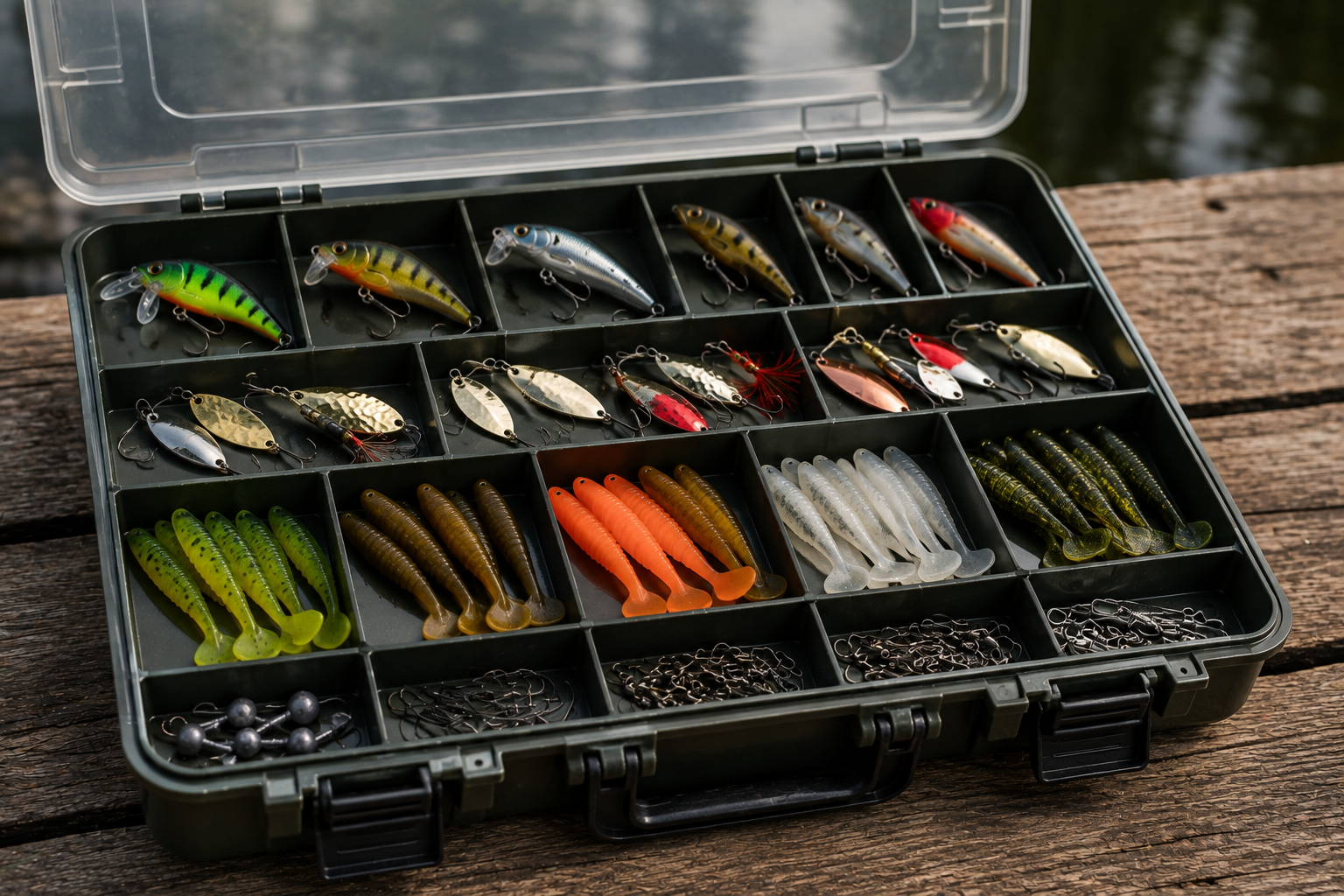
Choose a river, canal or lake with a good population of predators. Travel light and concentrate on obvious features.
A small spinner or soft plastic is a good starting lure.
Most importantly, pay attention to where your bites come from. Was the fish beside weed? Under a tree? Close to the bottom? Did it take the lure during a steady retrieve or immediately after a pause?
Those observations gradually build experience.
Eventually, you stop simply casting a lure and hoping something finds it. You begin to understand where predators are likely to be, how they're feeding and why you're making each cast.
That's when lure fishing really starts to become interesting.
The monthly catch-up
One email a month: new guides, tackle worth buying and waters we've fished.
Related guides
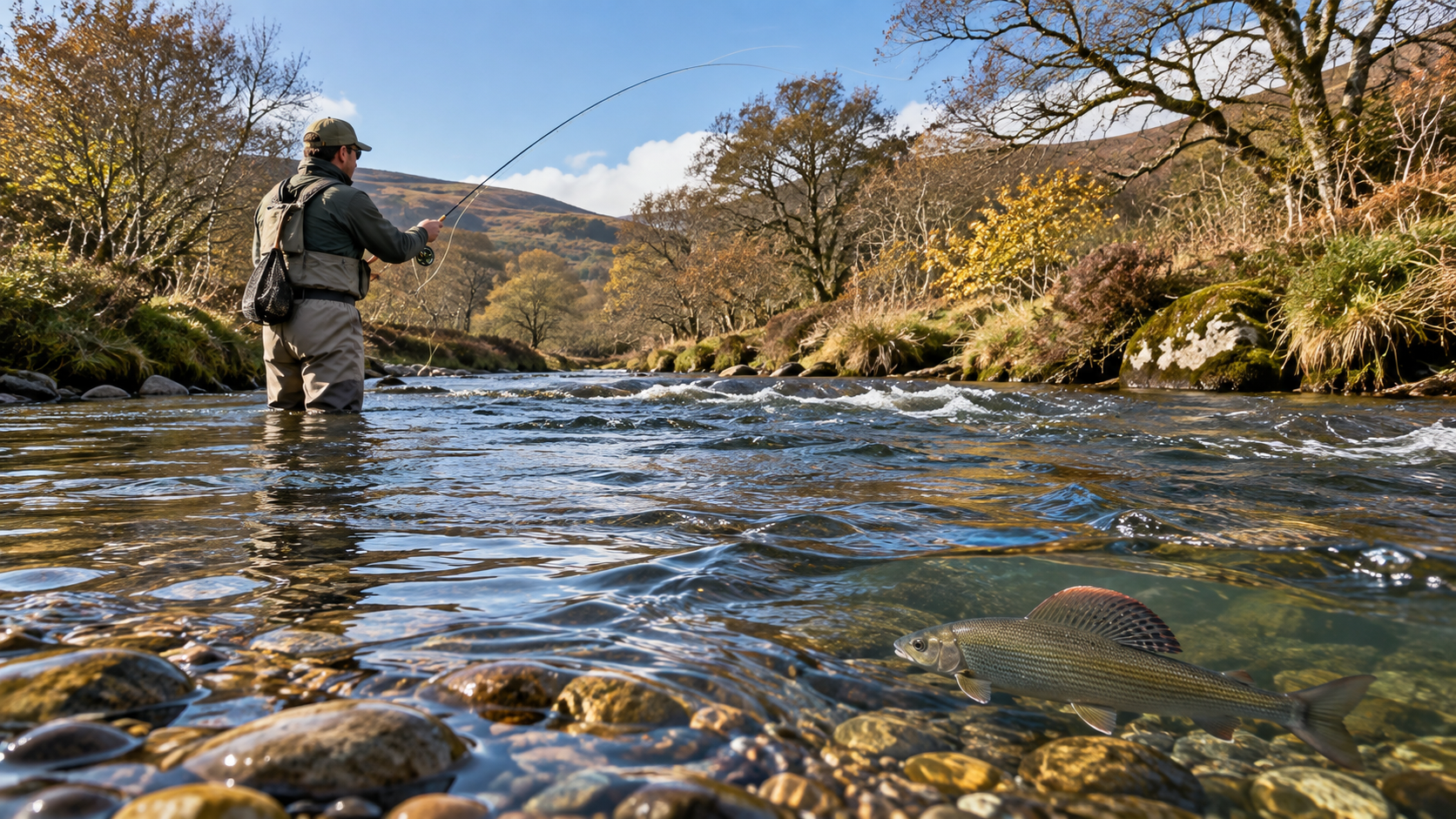
A Beginner’s Guide to Fly Fishing for Grayling
New to grayling fishing? This beginner’s guide explains the essential tackle, flies and techniques you need to start fly fishing for grayling on rivers, from finding fish to making a natural drift.
26 Sept 2026 · 7 min read
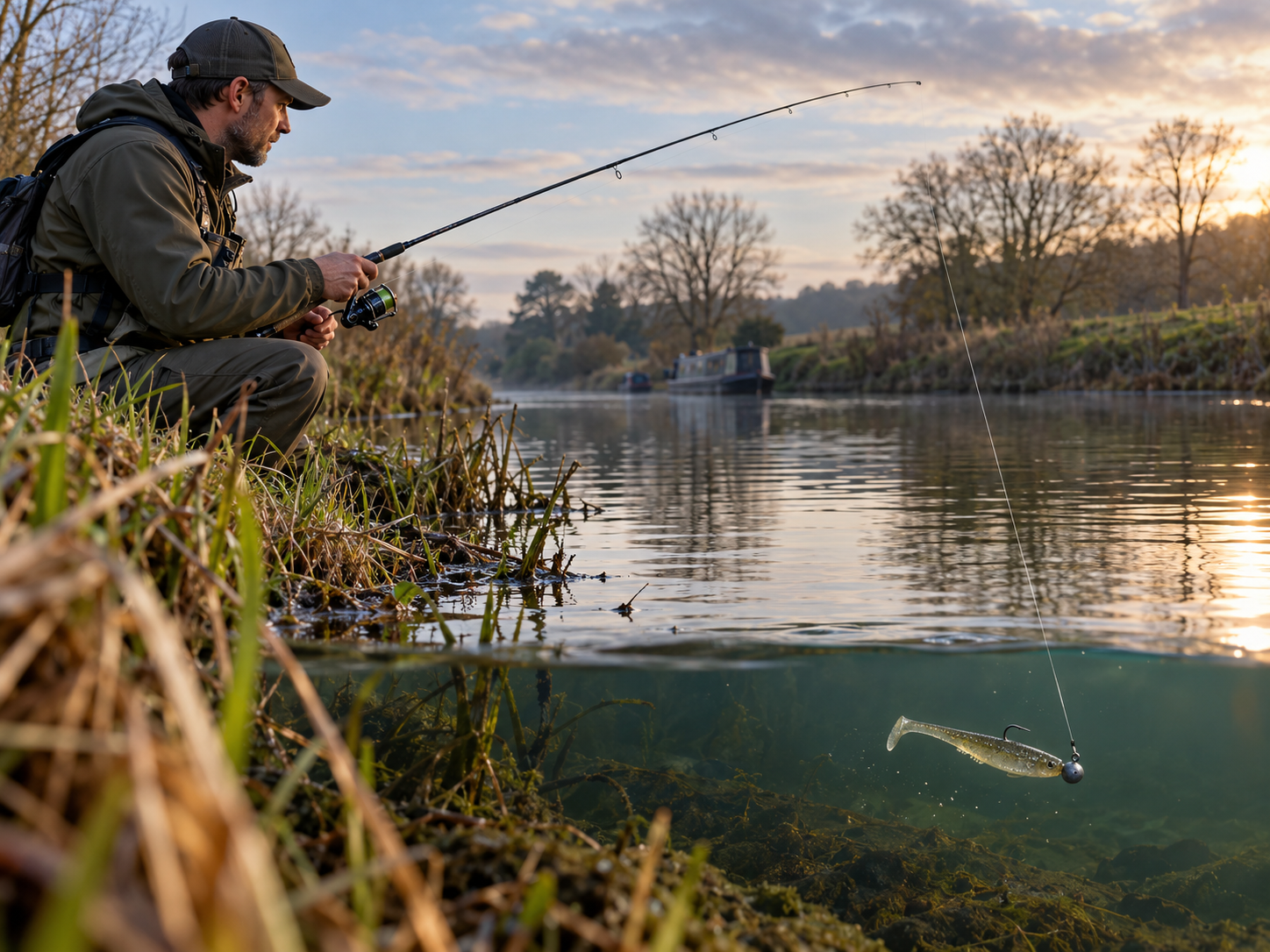
How to Fish Soft Plastic Lures: A Beginner’s Guide
A beginner-friendly guide to fishing soft plastic lures, covering depth control, jigging, steady retrieves, working the bottom and adapting your presentation to catch more predatory fish.
24 Sept 2026 · 6 min read
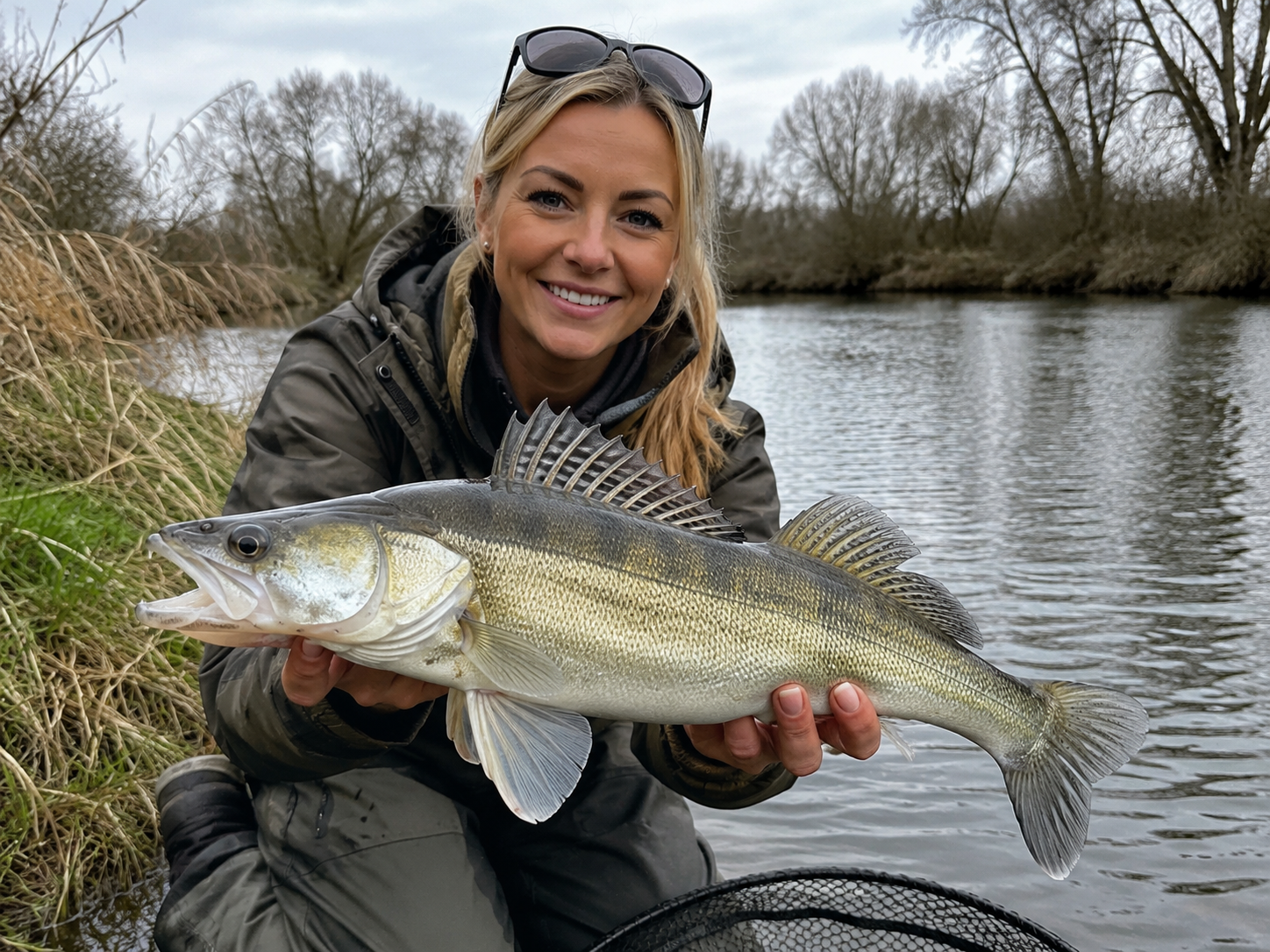
A Beginner’s Guide to Zander Fishing
New to zander fishing? This beginner’s guide explains where to find zander, how to fish soft plastics and deadbaits, what tackle to use and how to improve your chances of catching this fascinating predator.
24 Sept 2026 · 6 min read