
Shore Fishing for Beginners: Your First Session
Everything you need for a first beach session, from a sensible starting kit to tide timing and safety.
By The Better Angler · 4 August 2026 · 5 min read
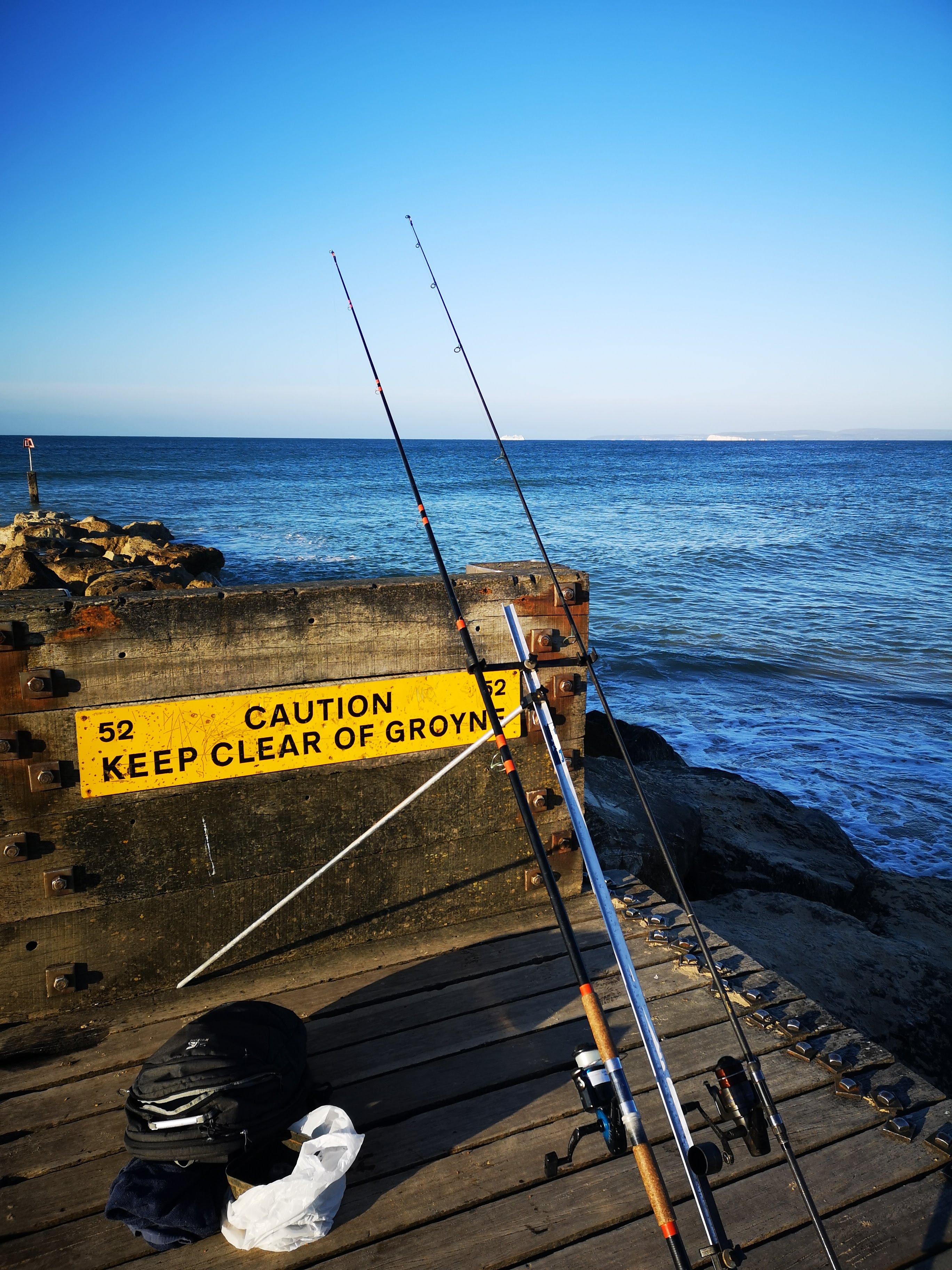
Shore Fishing for Beginners: Your First Session
Shore fishing is one of the easiest ways to get into sea fishing. There’s no boat to book, no need for specialist equipment to get started, and the British coastline offers thousands of places where you can cast a line.
But your first session can still feel a little daunting. Walk onto a beach or harbour wall and you’ll see anglers carrying long rods, tripods, boxes of tackle and rigs that look far more complicated than they really are.
The good news is that beginner shore fishing can be kept remarkably simple.
For your first few trips, forget about casting enormous distances or targeting specimen fish. Your aim should be to choose a sensible venue, fish safely, learn how the tackle works and hopefully catch your first fish from the sea.
What Is Shore Fishing?
Shore fishing simply means sea fishing without using a boat. You might fish from a sandy beach, harbour wall, pier, rocky coastline or estuary.
Each type of venue offers different fishing, but beaches and accessible piers or harbour walls are usually the easiest places to start.
Depending on where you fish and the time of year, your catch could include species such as:
Whiting
Pouting
Dogfish
Mackerel
Bass
Flounder
Plaice
Pollack
One of the attractions of sea fishing is that you never know exactly what might take your bait.
Tackle worth buying
Shop rods, reels, terminal tackle and more at Total Fishing Tackle.
Choosing Your First Fishing Spot
Venue choice matters more than buying expensive tackle.
For your first session, look for somewhere that is easy to access and already regularly used by anglers. Local tackle shops, fishing clubs and online fishing communities can all provide useful information about beginner-friendly marks.
A simple beach with relatively clean ground is often ideal because there is less chance of constantly losing tackle among rocks and weed.
Check the tide before leaving home. Some marks fish better over high water, while others produce on a rising or falling tide. More importantly, you need to know whether the tide could cut off your route back.
Never assume that because somewhere looks safe when you arrive it will remain that way several hours later.
Your First Shore Fishing Setup
You don't need a mountain of equipment.
A basic beach fishing outfit consisting of a suitable shore rod, reel and line is enough to get started. A rod around 11–13ft is a practical choice for many general shore-fishing situations.
Pair it with a suitable fixed-spool reel and you have an outfit capable of handling a wide range of British shore fishing.
You will also need a few basic items:
Beach or shore fishing rod
Fixed-spool reel
Main line
Shock leader where appropriate
A few ready-made rigs
Hooks
Spare leads
Bait elastic
Scissors or line cutters
Disgorger or long-nosed pliers
Bucket or tackle bag
Appropriate clothing
A rod rest or tripod is also extremely useful when fishing from a beach.
Don't worry about filling a huge tackle box. You'll learn far more from fishing a simple setup properly than carrying dozens of rigs and accessories you don't yet understand.
Keep Your Rigs Simple
Ready-made rigs are perfectly sensible for beginners.
A simple one or two-hook flapper rig will cover a surprising amount of general shore fishing. Attach your bait, add a suitable lead and you're ready to fish.
Complicated rigs have their place, particularly when targeting specific species, but they won't automatically catch you more fish.
Learning how to bait a hook properly, recognise bites and cast consistently is far more important during your first few sessions.
Choosing Bait
Ragworm and lugworm are classic shore-fishing baits, while squid, mackerel and other fish baits can also be extremely effective.
What works best depends on the species and location.
For a general session, carrying two different baits gives you an opportunity to experiment. You can also combine them to make cocktail baits.
Bait elastic is worth carrying, particularly when using soft baits. A few turns around the bait can stop it flying off during the cast.
And don't automatically assume that a huge bait will catch a huge fish. A neat, well-presented bait is often the better option.
You Don't Always Need to Cast to the Horizon
One of the biggest misconceptions among new shore anglers is that the person casting furthest must catch the most fish.
Sometimes distance is important.
Sometimes the fish are almost underneath your feet.
Beaches contain features such as gullies, sandbanks and changes in depth that naturally attract fish. Bass, in particular, can move remarkably close to the shoreline when feeding.
Try different distances.
If you're fishing two rods, you might cast one further out and keep the second much closer. You're effectively searching two different areas of water.
If you're using one rod, change your casting distance every few casts until you find fish.
What Does a Bite Look Like?
Once you've cast out, tighten the line until there's enough tension to put a slight bend in the rod tip.
Then watch it.
Some bites are obvious, with the tip pulling sharply several times. Others are surprisingly subtle.
You may see small taps, the rod tip bouncing, or the line suddenly becoming slack.
Don't strike wildly at every movement. Waves, weed and tidal movement can all move the rod tip.
With experience, you'll start recognising the difference between the movement of the sea and something interested in your bait.
Don't Leave Your Bait Out Forever
If nothing happens, don't leave the same bait sitting on the seabed for hours.
Reel in periodically and check it.
Your bait might have been stolen without you noticing. Crabs may have stripped the hook completely, or weed might have covered your rig.
Rebait if necessary and cast again.
Fishing actively like this also gives you the opportunity to try different bait sizes, casting distances and areas of the venue.
Your First Fish
When you eventually feel the unmistakable weight of a fish, don't rush.
Keep steady pressure on the line and reel smoothly. Avoid pumping the rod aggressively unless there's a reason to do so.
As the fish reaches shallow water, keep an eye on the waves. On beaches, you can often use an incoming wave to help bring the fish onto the shore.
Once landed, handle the fish carefully.
If you're returning it, wet your hands where practical, remove the hook quickly and avoid leaving the fish lying around while you organise photographs.
If you're unsure what you've caught, don't guess.
There are plenty of fish-identification resources available, and learning to recognise different species is part of becoming a better sea angler.
Safety Comes Before Fishing
The sea deserves respect.
Check the weather and tide before every trip. Wear appropriate footwear and clothing, and be particularly cautious around rocks, piers and harbour walls.
Avoid exposed rock marks until you have more experience, especially in rough conditions.
If you're fishing somewhere unfamiliar, going with an experienced angler is one of the best ways to learn.
At night, carry a reliable headtorch and a spare light. Tell somebody where you're fishing and roughly when you expect to return.
No fish is worth taking unnecessary risks for.
Don't Judge Your First Session by the Number of Fish
You might catch several fish on your first trip.
You might catch absolutely nothing.
Both are normal.
A blank session doesn't necessarily mean you've done something wrong. Conditions, tides, water clarity, temperature and countless other factors influence whether fish are feeding.
Instead, concentrate on what you learned.
Could you cast comfortably? Did your rig come back without tangles? Did your bait stay on the hook? Could you recognise what the tide was doing?
Every session makes the next one easier.
Start Simple and Learn the Water
Sea fishing can become as technical as you want it to be, but it doesn't need to start that way.
A basic rod and reel, a simple rig, a few leads and some fresh bait are enough for your first session.
Spend your money gradually as you discover what type of fishing you enjoy. Someone who eventually specialises in lure fishing for bass will need very different equipment from an angler who spends winter nights fishing beaches for cod and whiting.
Your first trip isn't about having the perfect setup.
It's about getting a bait into the water, watching that rod tip and experiencing that first unmistakable pull from something on the other end.
Once that happens, you'll probably already be thinking about your next session.
The monthly catch-up
One email a month: new guides, tackle worth buying and waters we've fished.
Related guides
A Beginner’s Guide to Fly Fishing for Grayling
New to grayling fishing? This beginner’s guide explains the essential tackle, flies and techniques you need to start fly fishing for grayling on rivers, from finding fish to making a natural drift.
26 Sept 2026 · 7 min read
How to Fish Soft Plastic Lures: A Beginner’s Guide
A beginner-friendly guide to fishing soft plastic lures, covering depth control, jigging, steady retrieves, working the bottom and adapting your presentation to catch more predatory fish.
24 Sept 2026 · 6 min read
Lure Fishing for Perch
Learn the basics of lure fishing for perch, including how to find fish, choose the right tackle and work soft plastics, spinners and hard lures effectively.
24 Sept 2026 · 6 min read