Trotting for Grayling: A Practical Guide to River Fishing
Learn how to catch grayling by trotting a float on rivers, including where to find fish, simple tackle setups, float control and why maggots and sweetcorn are excellent baits.
30 August 2026
Some links in this guide are affiliate links. If you buy through them we may earn a small commission at no extra cost to you — it never influences what we recommend.
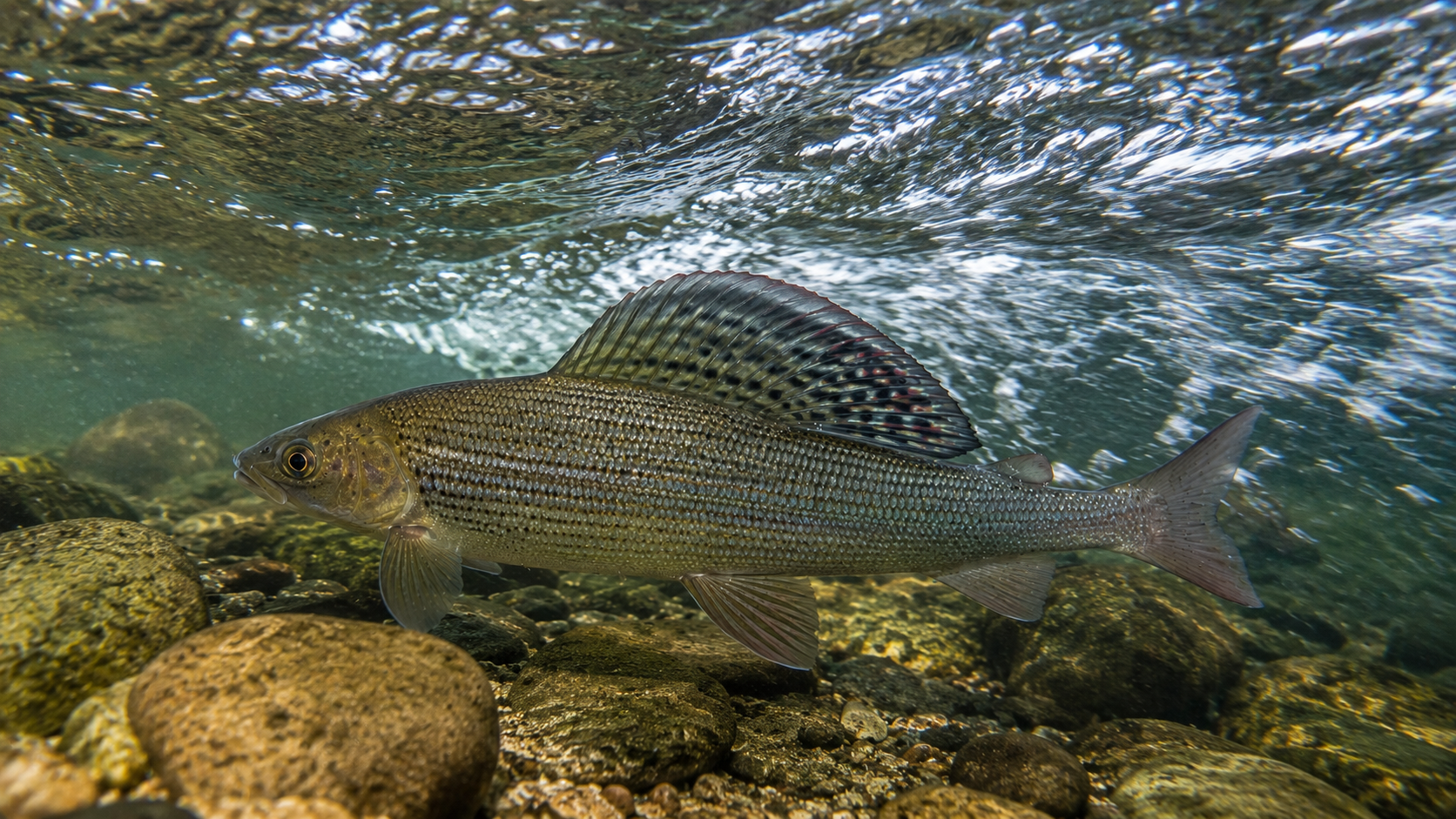
Grayling are one of my favourite fish to target during the colder months. They live in some beautiful rivers, fight surprisingly hard for their size and are perfectly suited to one of the most enjoyable forms of river fishing: trotting a float.
Although grayling are famously associated with fly fishing, you certainly don't need a fly rod to catch them. A float rod, a simple trotting setup and a tub of maggots can produce some excellent fishing.
My preferred baits are maggots and sweetcorn. Both are inexpensive, easy to use and have accounted for plenty of grayling. My local rivers the Hampshire Avon and the Dorset Stour both contain grayling on some stretches but its the Dorset Frome that was always my go to river.
What Is Trotting?
Trotting is simply allowing a float and bait to travel naturally downstream with the current.
Rather than casting out and waiting for a fish to find your bait, you're repeatedly running the float through likely areas. This allows you to cover a considerable amount of water and search for feeding fish.
The important word is naturally. Your bait should travel downstream at roughly the same speed as the current near the riverbed.
Grayling spend much of their time close to the bottom, watching for food being carried towards them. Present a bait naturally and they'll often take it confidently.
Tackle worth buying
Shop rods, reels, terminal tackle and more at Total Fishing Tackle.
Where to Find Grayling
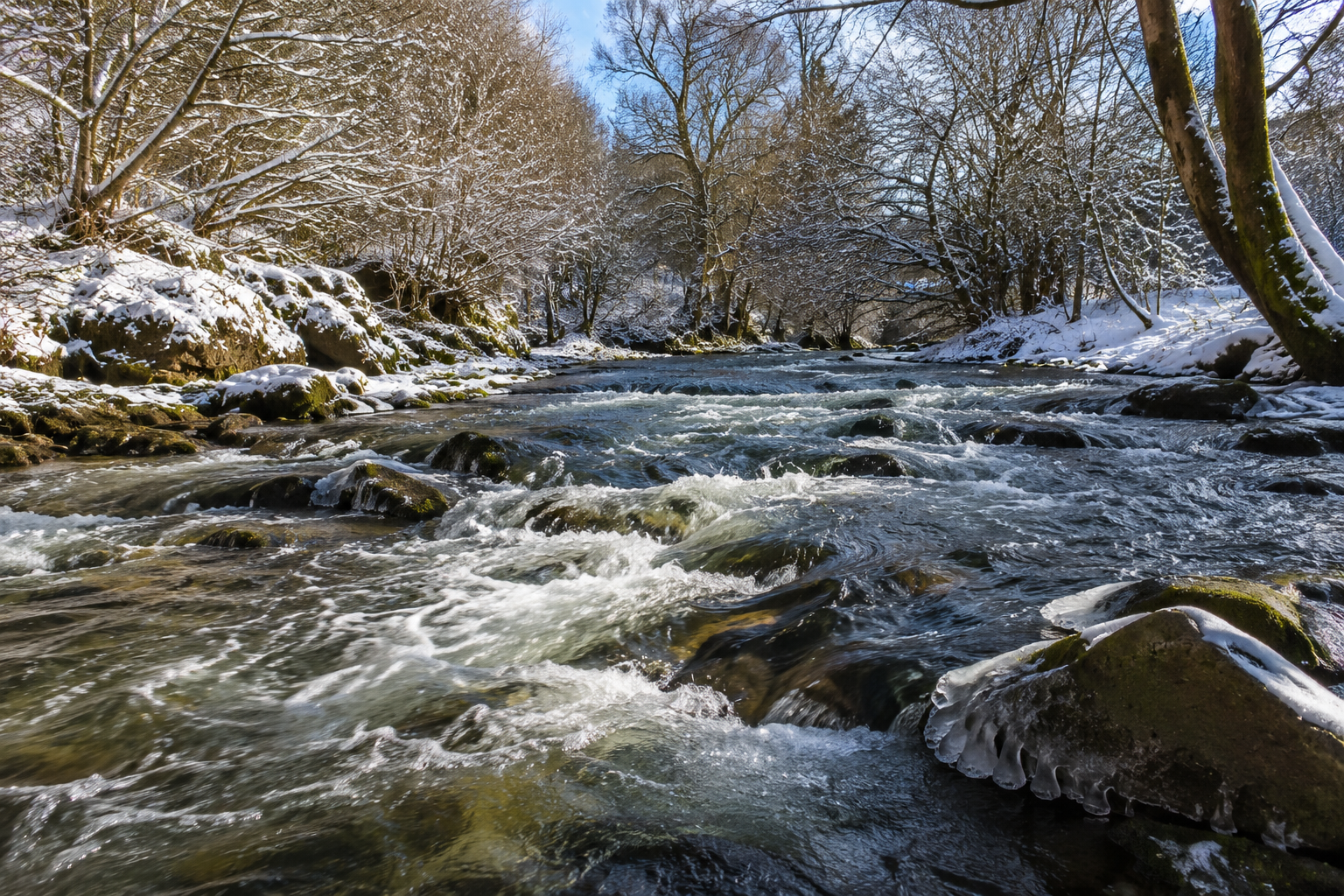
Look for steady runs with a reasonable depth and a gravel or stony bottom.
A classic grayling swim might be a faster run dropping into slightly deeper water. Creases between fast and slower water are also worth investigating, as are the tails of pools.
Don't assume all the fish will be sitting in the deepest water. Grayling regularly move into surprisingly shallow runs when they're actively feeding.
If you've trotted through a swim several times without a bite, experiment with the depth before moving. Sometimes adding just another 15–30cm can make a substantial difference.
A Simple Grayling Trotting Setup
You don't need complicated tackle.
A 12–14ft float rod is ideal for most rivers because the extra length gives you better control over the float and line.
You can use either a fixed-spool reel or a centrepin. A fixed-spool reel is easier when you're learning, but there's something particularly satisfying about trotting with a centrepin once you've become accustomed to it.
The float itself needs to be large enough to remain stable in the current. Avon floats and similar river patterns are excellent choices.
I prefer to keep the shotting relatively simple. The aim is to get the bait down towards the fish while still allowing it to move naturally.
Use sensible hook lengths and small hooks appropriate to your bait. Grayling have relatively delicate mouths, so there's rarely any benefit in fishing unnecessarily heavy tackle.
Maggots: My First Choice
If I could take only one bait grayling fishing, it would probably be maggots.
They're particularly effective because you can both feed and fish with exactly the same bait.
Rather than throwing in large handfuls, feed small quantities regularly. A dozen or so maggots every cast or two can create a steady stream of food travelling through the swim.
Then trot one, two or three maggots on the hook amongst them.
This little-and-often approach encourages grayling to compete without filling them up.
Changing maggot colour can sometimes make a difference too. Red, bronze and white are all worth trying.
Don't Ignore Sweetcorn
Sweetcorn might not immediately spring to mind when thinking about grayling, but I've found it can be a very useful bait.
Its bright colour makes it highly visible, it's easy to hook and larger grayling are perfectly capable of taking a grain of corn.
I particularly like having sweetcorn available when maggots are producing lots of smaller fish.
Try a single grain on the hook or combine it with a maggot. That small change in presentation can sometimes pick out a better fish.
It's also cheap enough that there's little reason not to have a small tin in your tackle bag.
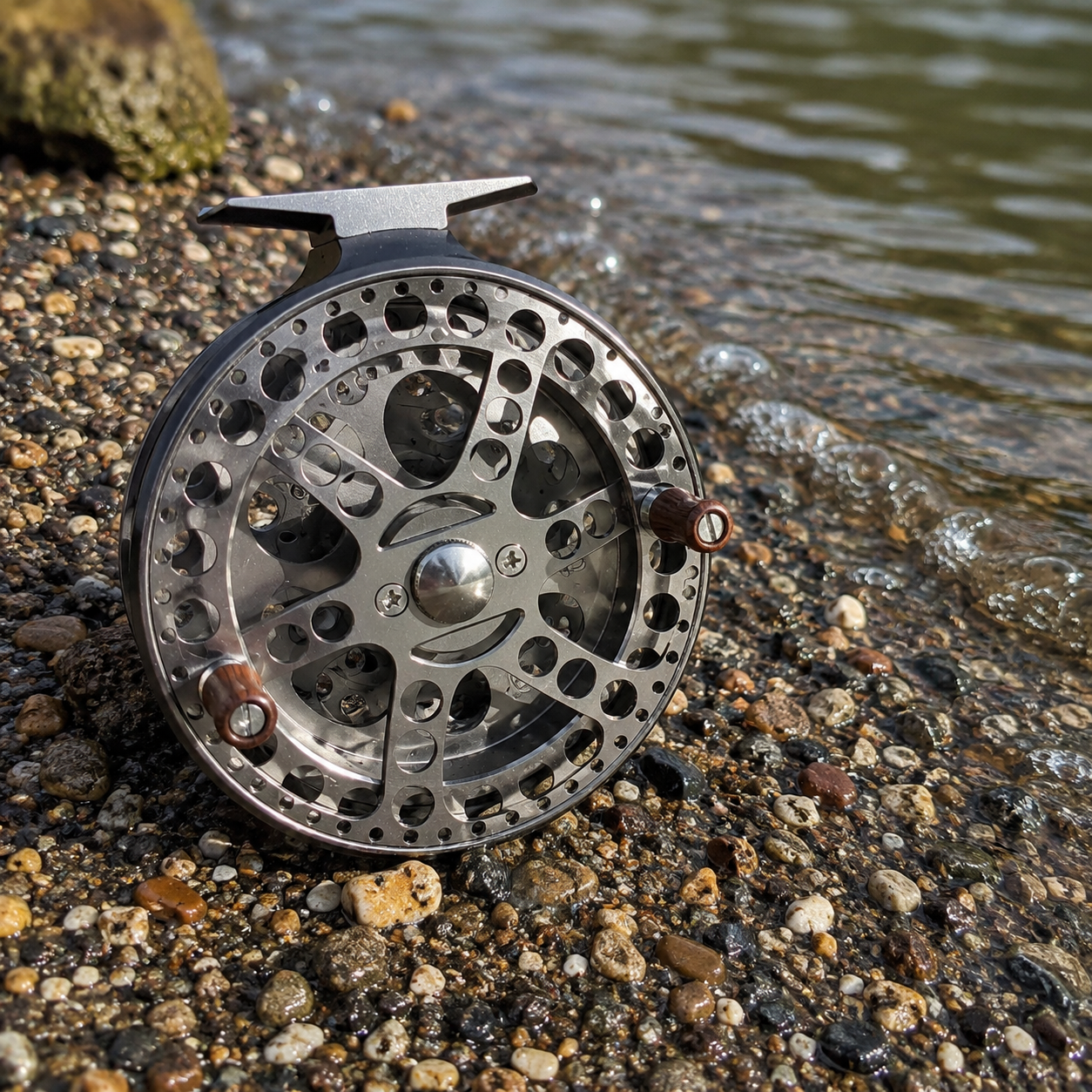
Okuma - Sheffield Centre Pin S-1002
A quality centrepin reel designed for traditional river fishing and trotting. Or short range waggler fishing on stillwaters. The Okuma Sheffield S-1002 combines a smooth-running spool with a solid, precision-built design, making it a strong choice for anglers targeting chub, roach, dace, tench, carp and barbel with a float.
Best for: River trotting for chub, roach, dace and barbel.
What we like
- Very smooth-running spool
- Excellent for traditional river trotting
- Solid, high-quality construction
- Good line control when float fishing
- Suitable for a wide range of river species
- Attractive classic centrepin design
Worth knowing
- Considerably more expensive than an entry-level centrepin
- Centrepins have a learning curve for beginners
- Less versatile than a conventional fixed-spool reel
How it scored
- Build quality
- 94
- Smoothness
- 95
- Line control
- 93
- Ease of use
- 82
- Value for money
- 88
Prices checked 30 Aug 2026. We may earn a commission if you buy through these links — it never changes what we recommend.
Controlling the Float
Good trotting isn't simply throwing the float upstream and watching it disappear downstream.
You need to stay in contact with it.
Cast slightly upstream and keep as much line as possible off the water. Allow the float to travel naturally through the swim while gently controlling excess line.
Occasionally holding the float back slightly can cause the hook bait to rise before dropping again when released. This change of movement can trigger a fish to take.
Don't strike only at dramatic bites either.
A float that suddenly stops, dips slightly or behaves differently from previous trots could indicate a grayling has taken the bait.
Strike and find out.
Keep Changing Things
One of the biggest advantages of trotting is how quickly you can experiment.
Change the depth. Alter the shotting. Try two maggots instead of one. Switch to sweetcorn. Hold the float back slightly longer.
If you're confident grayling are present but you're not catching them, don't spend an hour repeating exactly the same trot.
Grayling can be remarkably cooperative one day and frustratingly particular the next.
Look After Your Grayling
Grayling are beautiful fish and deserve careful handling.
Use a suitable landing net and unhook them over an unhooking mat whenever practical. Wet your hands before touching the fish and minimise the amount of time it spends out of the water.
If you're taking a photograph, have everything ready beforehand rather than leaving the fish waiting while you find your phone.
Return the grayling facing into the current and give it time to recover before releasing your grip.
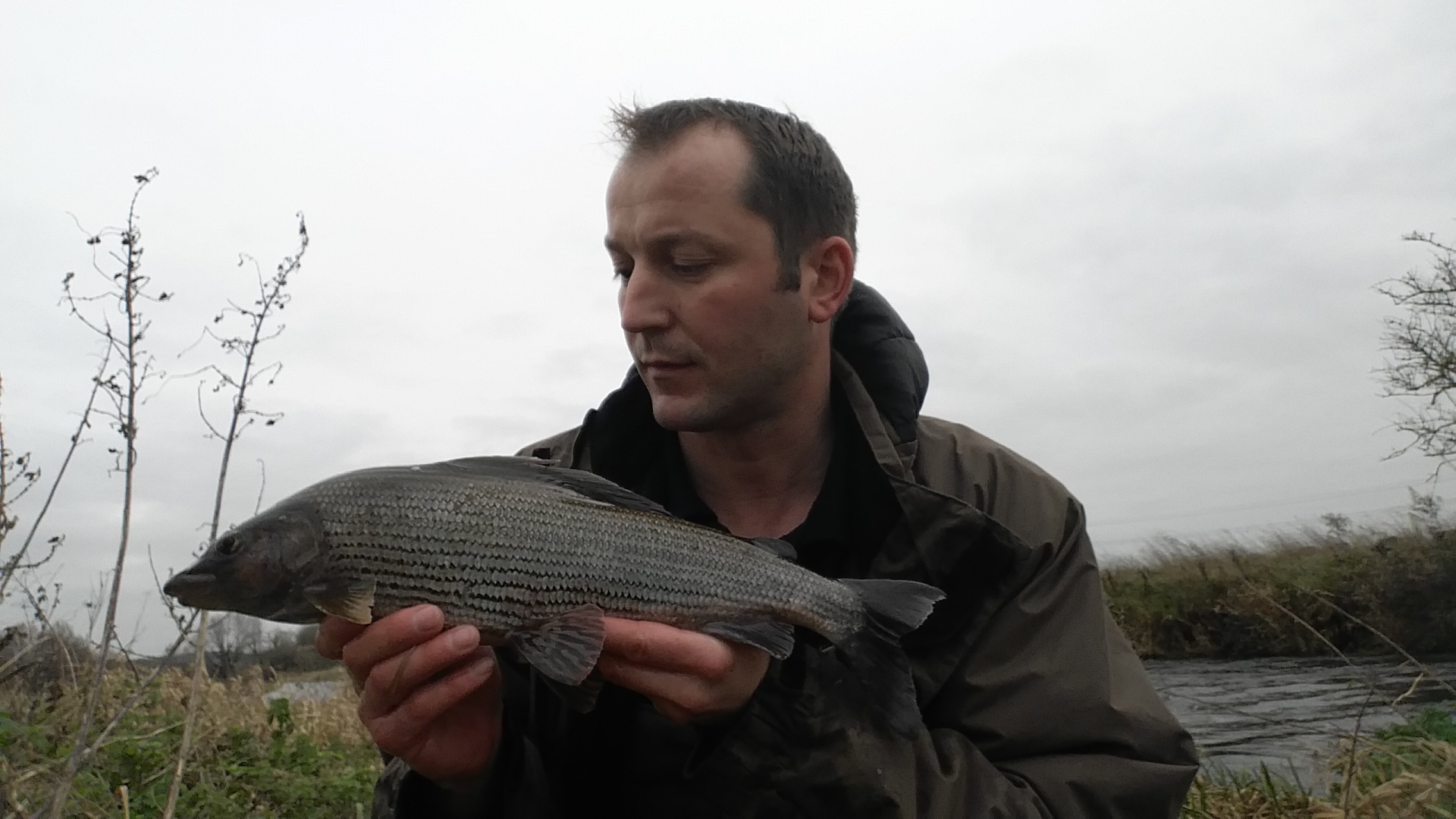
A Brilliant Way to Spend a Winter's Day
Trotting for grayling doesn't require mountains of equipment or complicated rigs. A float rod, reel, selection of floats, some basic terminal tackle and a couple of tubs of maggots are enough to get started.
Add a small tin of sweetcorn and you've got my two favourite grayling baits covered.
More importantly, trotting keeps you involved in the fishing. You're constantly casting, feeding, controlling the float and searching different parts of the river.
On a cold winter's morning, watching an Avon float travel perfectly through a promising run before suddenly disappearing is difficult to beat.
The monthly catch-up
One email a month: new guides, tackle worth buying and waters we've fished.
Related guides
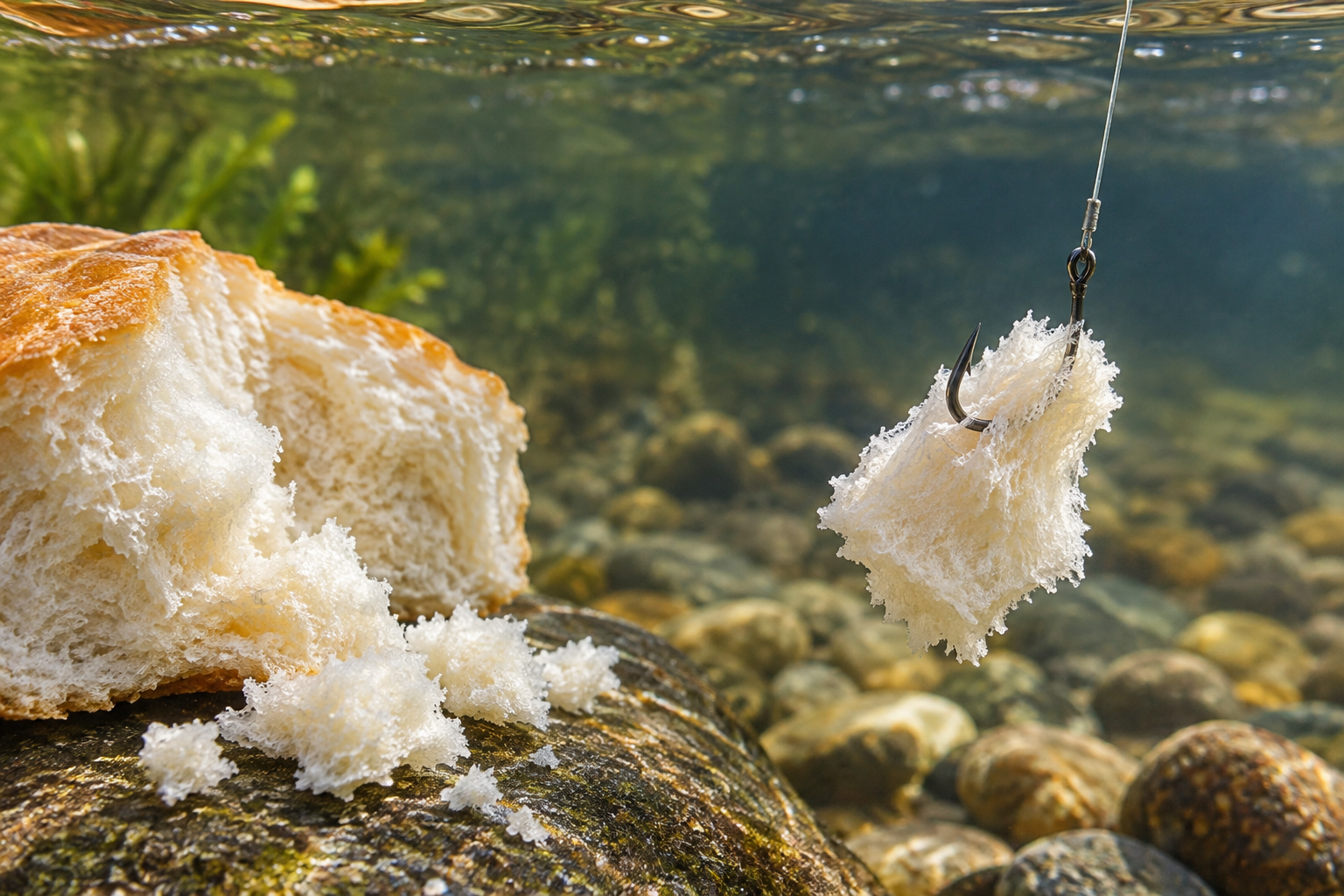
The Best Baits for Chub: What to Use and When
Discover the best baits for catching chub and when to use them. From bread and maggots to worms, cheese and pellets, this guide covers proven chub baits for UK rivers.
13 Sept 2026 · 5 min read
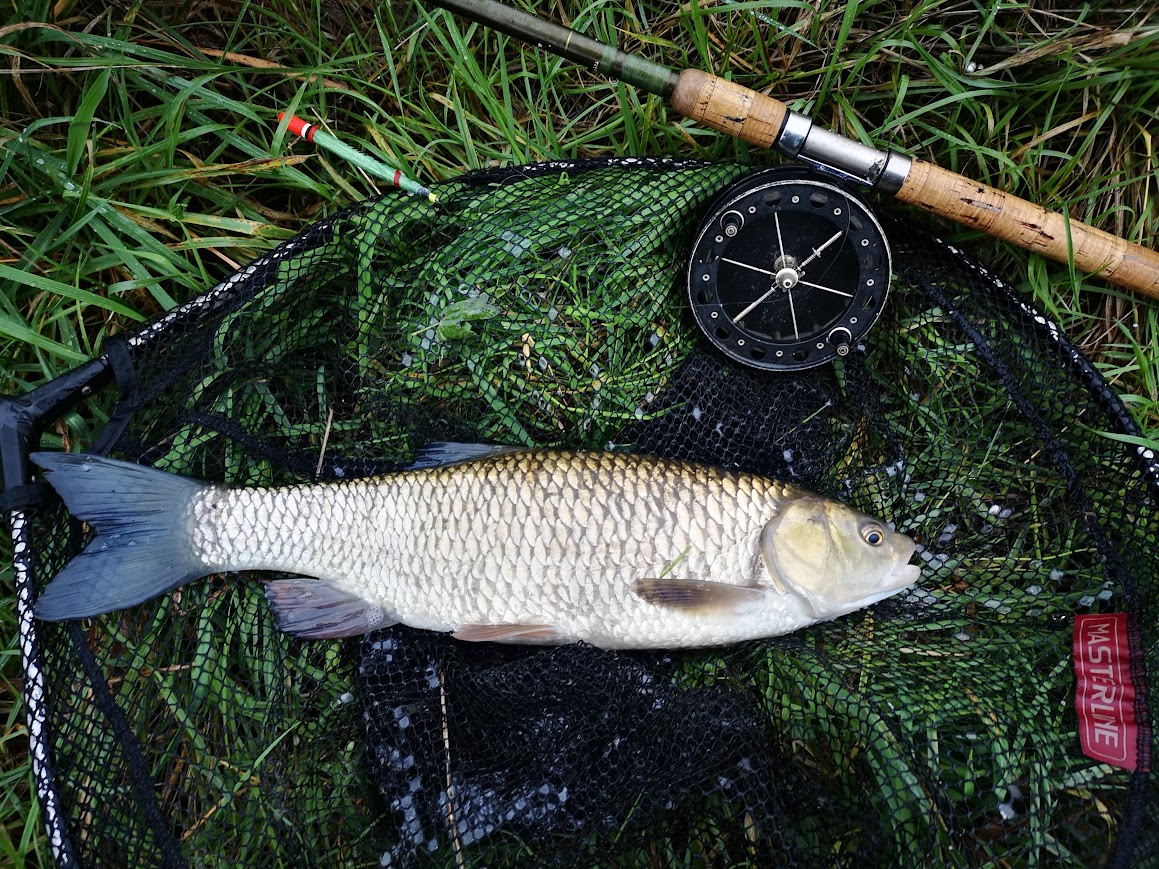
A Beginner’s Guide to Chub Fishing
Learn how to catch chub with this beginner-friendly guide. Discover where to find chub, the best baits to use and simple float, ledger and surface fishing techniques.
13 Sept 2026 · 5 min read
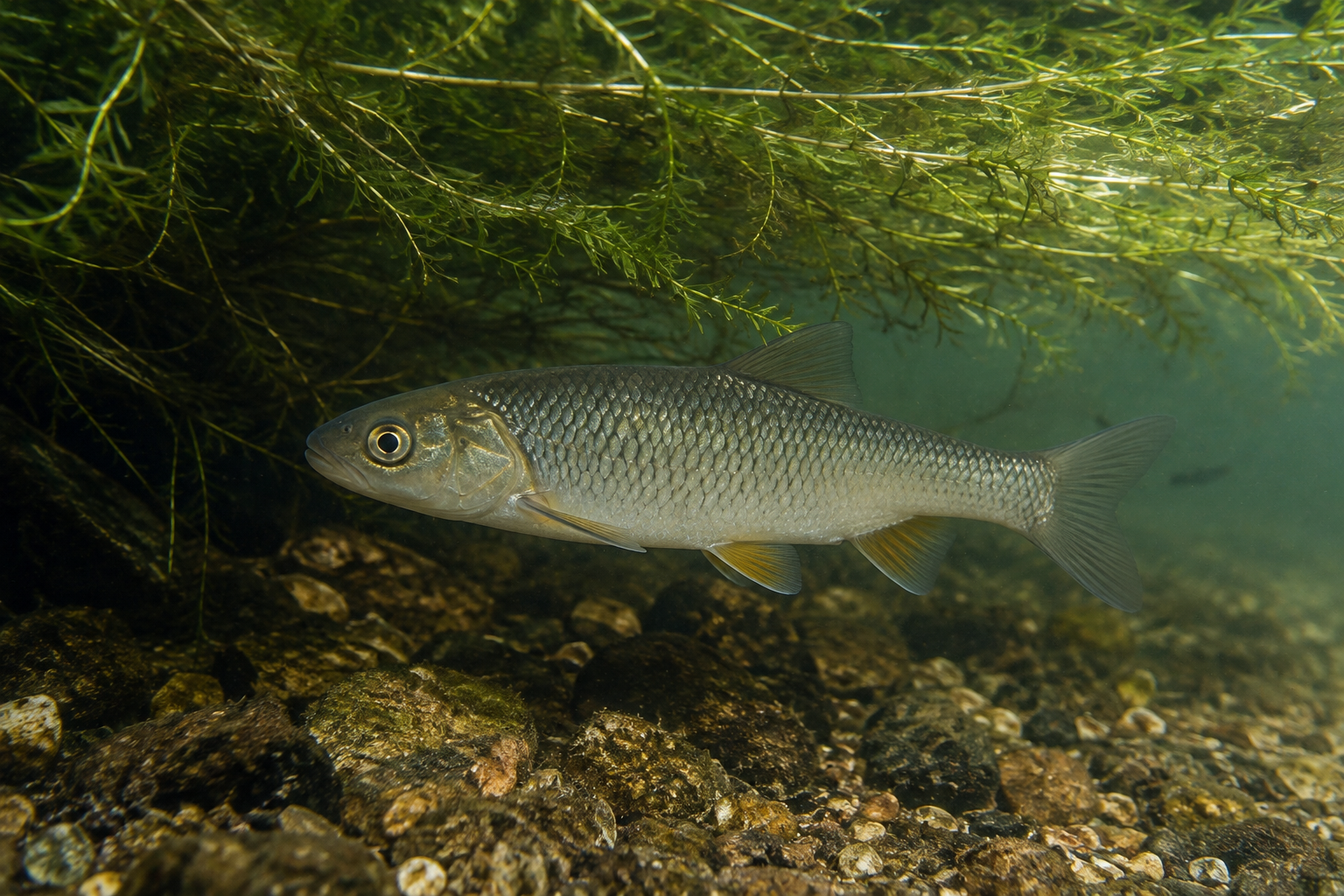
Dace Fishing: A Simple Guide to Catching River Dace
Learn how to catch dace on rivers with this simple guide covering the best baits, tackle, swims, feeding techniques and how to trot a float for this fast, hard-fighting coarse fish.
3 Sept 2026 · 5 min read