Waggler Fishing on Stillwaters: A Beginner’s Guide
Learn the basics of waggler fishing on stillwaters, from choosing the right tackle and setting the depth to feeding your swim, picking baits and spotting bites.
9 July 2026 · 5 min read
Waggler fishing is one of the simplest and most effective ways to catch coarse fish from stillwaters. Whether you're fishing a small farm pond, a commercial fishery or a larger lake, the waggler provides a simple and versatile way to present baits for roach, rudd, bream, tench, carp and many other species.
It’s ideal for beginners because the tackle is straightforward, bites are easy to see and you don’t need an expensive or complicated setup. A rod, reel, float, a few weights and a hook are enough to get started.
If you’re new to coarse fishing, learning how to use a waggler is one of the best places to begin.
What Is Waggler Fishing?
A waggler is a float attached to the fishing line at the bottom end only.
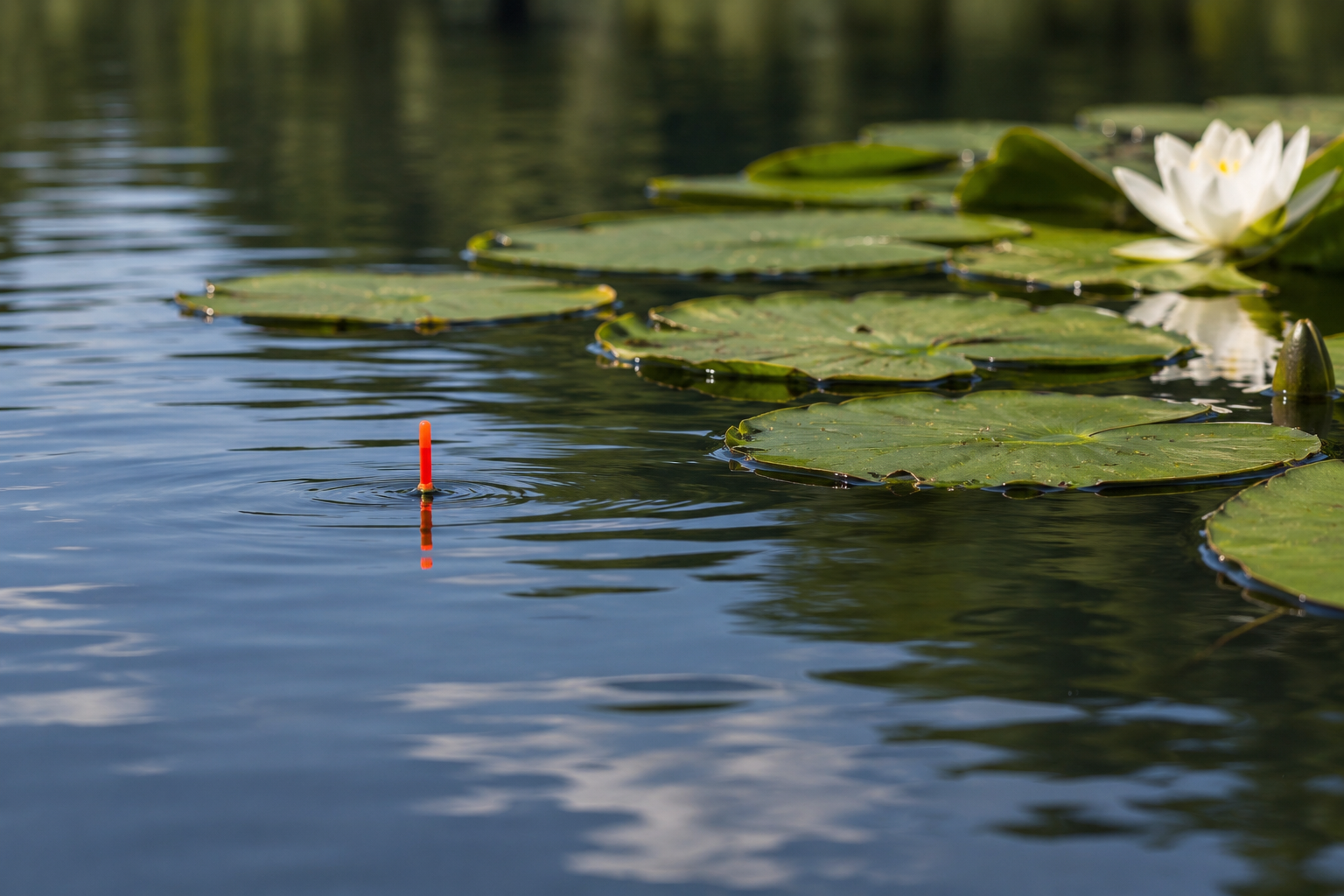
Most of the float sits below the surface, leaving just the brightly coloured tip visible. When a fish takes your bait, the float might disappear beneath the surface, lift slightly or move sideways.
Because the line between the rod tip and float can be sunk beneath the surface, the waggler is particularly useful on stillwaters where wind can otherwise drag your line and float out of position.
The basic idea is simple: cast your bait and float into your chosen swim, feed a small amount of bait around it and watch for a bite.
What Tackle Do You Need?
You don't need specialist or expensive equipment to start waggler fishing.
Rod
A 10–13ft float rod will cover most stillwater fishing.
A longer rod gives you good control over the line and makes striking at bites easier. Avoid very heavy rods designed specifically for carp fishing. A lighter float rod makes catching smaller species much more enjoyable while still giving you enough power for occasional larger fish.
Reel
Pair your rod with a small or medium-sized fixed-spool reel.
Something around 2500–3000 size is suitable for most general float fishing.
Load it with approximately 4–6lb monofilament line. If you're fishing a water containing lots of larger carp, you may need to use stronger tackle.
Tackle worth buying
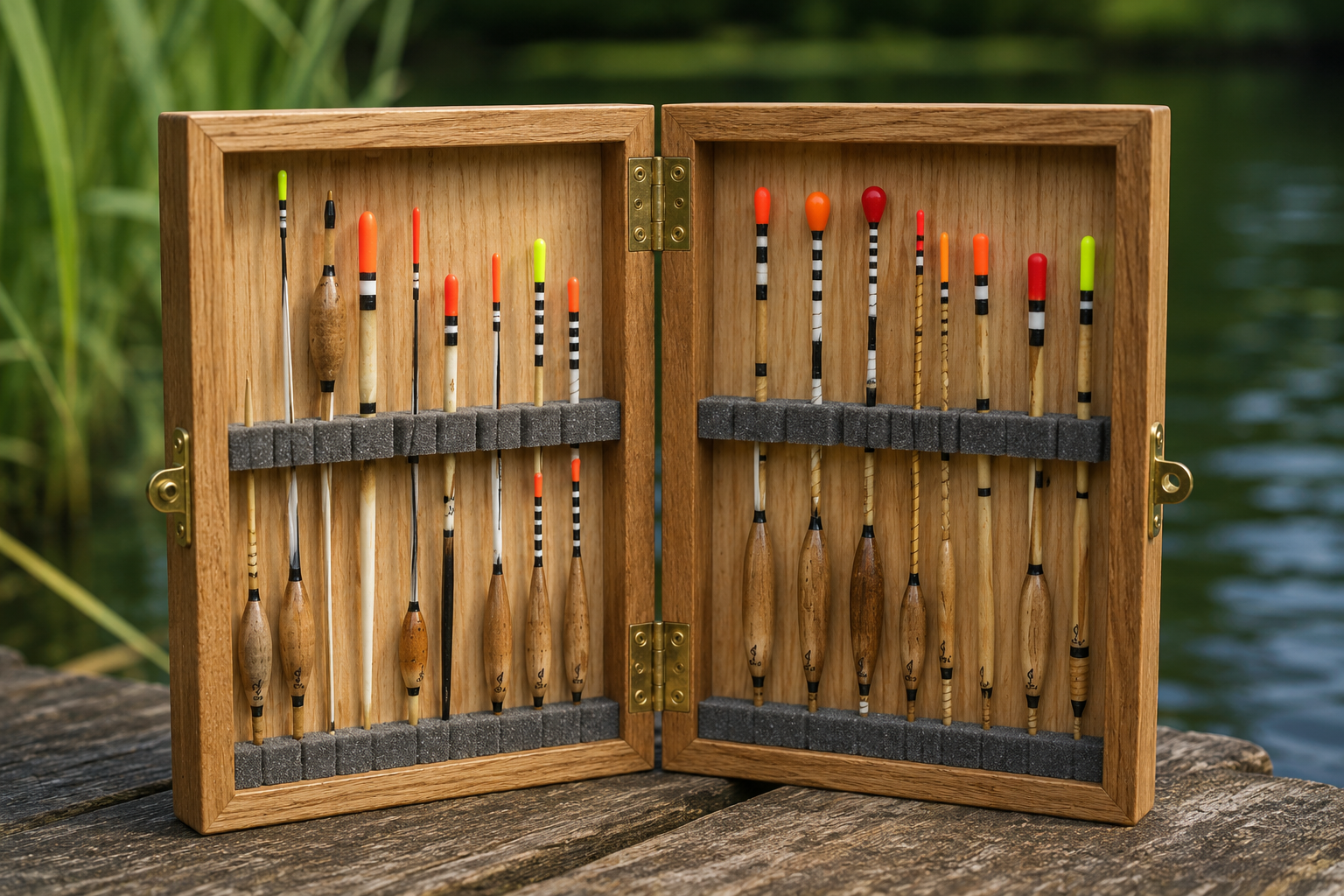
Shop rods, reels, terminal tackle and more at Total Fishing Tackle.
Choosing a Waggler
Walk into a tackle shop and you'll find dozens of different floats.
Don't make things unnecessarily complicated.
A straightforward straight waggler or insert waggler is ideal for learning.
Straight wagglers have a relatively thick tip that's easy to see, while insert wagglers have a thinner tip that can help you detect more delicate bites.
Choose a float that's large enough to comfortably cast to where you want to fish without using something unnecessarily heavy.
If you're fishing ten metres from the bank, there's little benefit in using a float designed for casting fifty metres.
How to Set Up a Waggler
A simple way to fish a waggler is to trap the float between split shot on your main line.
Place most of the required weight around the base of the float. This helps the rig cast cleanly and reduces the chance of tangles.
Add a few smaller shot further down the line towards the hook. These help your bait sink naturally through the water.
For general stillwater fishing, a hook somewhere around size 14–18 will cover many popular baits and species.
When the rig settles, most of the float should be underwater with only the brightly coloured tip visible.
Don't leave half the float sticking above the surface. A correctly shotted float makes detecting bites much easier.
Finding the Depth
Learning to find the depth is one of the most important skills in float fishing.
A small plummet attached to your hook makes the job much easier.
Lower or cast the rig into your chosen swim.
If the float disappears beneath the surface, your rig is set too shallow. Move the float further up the line.
If the float lies flat or sits unnaturally high, you're probably fishing too deep.
Keep adjusting until you've established where the bottom is.
For many species, starting with your bait just touching or sitting close to the bottom is a good approach.
You can always change the depth later.
Where Should You Fish?
Beginners often assume the best fish must be in the middle of the lake.
That's rarely true.
Look for features such as reed beds, islands, lily pads, overhanging trees, deeper water and changes in depth.
Don't ignore the margins either.
Carp, tench and other coarse fish regularly patrol close to the bank, particularly when the water is quiet.
Spend a few minutes watching before you start fishing. Bubbles, moving reeds, fish rolling or small fish topping at the surface can all reveal where fish are feeding.
What Bait Should You Use?
One of the advantages of waggler fishing is the enormous range of baits you can use.
For beginners, maggots are difficult to beat.
They're inexpensive, easy to hook and almost every coarse fish will eat them.
Other excellent stillwater baits include:
Sweetcorn
Worms
Casters
Bread
Pellets
Luncheon meat
Always check the fishery rules because some waters restrict particular baits or methods.
Feed Little and Often
A common beginner mistake is introducing too much bait.
Once you've thrown it into the lake, you can't take it back out.
If you're fishing with maggots, start by regularly introducing perhaps half a dozen at a time around your float.
The aim is to attract fish and encourage them to compete for food without filling them up.
Accuracy matters too.
Try to cast your float and introduce your loose feed to roughly the same area. If your hook bait is several metres away from your loose feed, you're effectively fishing in the wrong place.
Watch the Float
Not every bite involves the float disappearing dramatically underwater.
Sometimes it will slowly sink.
Sometimes it will lift slightly.
Other times it might simply move sideways.
These can all indicate a fish has taken your bait.
Keep your rod close and avoid leaving excessive slack line between the rod tip and float.
When you get a positive bite, strike by lifting the rod firmly but smoothly.
There's no need for an enormous strike.
Keep Things Simple
Waggler fishing can become highly technical, but it doesn't need to be when you're learning.
Start with one rod, a simple waggler, a few split shot and a straightforward bait such as maggots.
Learn how to find the depth properly.
Practise casting accurately to the same area.
Feed small amounts regularly and pay attention to how the fish respond.
These basic skills will catch far more fish than constantly changing tackle.
Your First Waggler Fishing Session
For your first session, choose a stillwater with a good population of coarse fish rather than somewhere dominated by a handful of very large carp.
Find the depth and start with your bait close to the bottom.
Pick a feature to fish towards and try to cast to roughly the same place each time. Feed small amounts regularly and concentrate on watching your float.
As you begin catching fish, pay attention to what's working.
You might discover the fish are feeding slightly above the bottom, or that most bites arrive shortly after introducing a few maggots.
Those small observations gradually develop into something every successful angler needs: watercraft.
Waggler fishing is simple enough to learn during your first few sessions, but there's always something new to discover.
And sometimes there are few better sights in coarse fishing than watching that brightly coloured float tip suddenly disappear beneath the surface.
The monthly catch-up
One email a month: new guides, tackle worth buying and waters we've fished.
Related guides
How to Set Up a Waggler Float for Fishing on the Drop
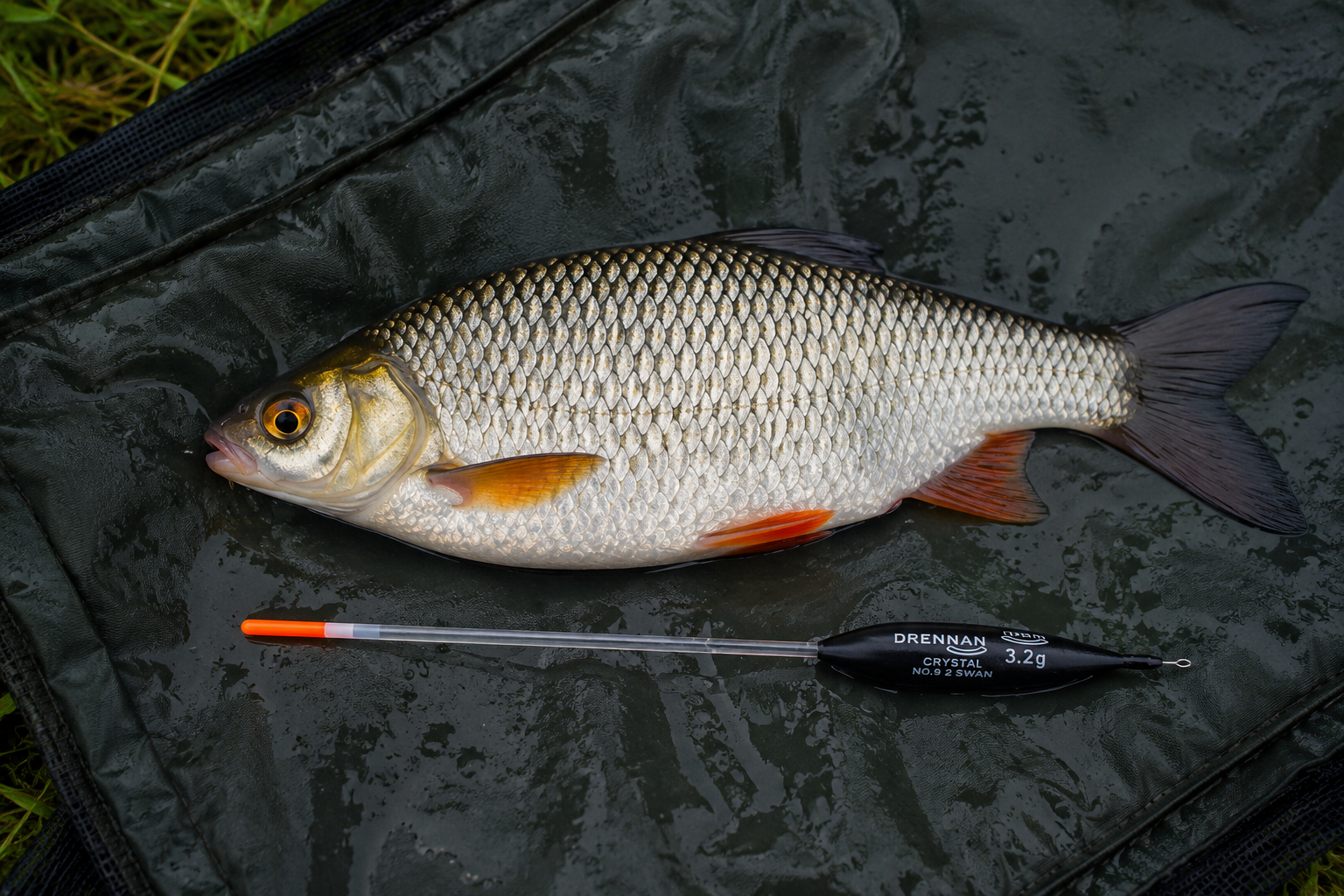
Learn how to set up a waggler float for fishing on the drop, including float choice, shotting patterns, depth, feeding and how to catch fish as your bait falls naturally through the water.
3 Sept 2026 · 5 min read
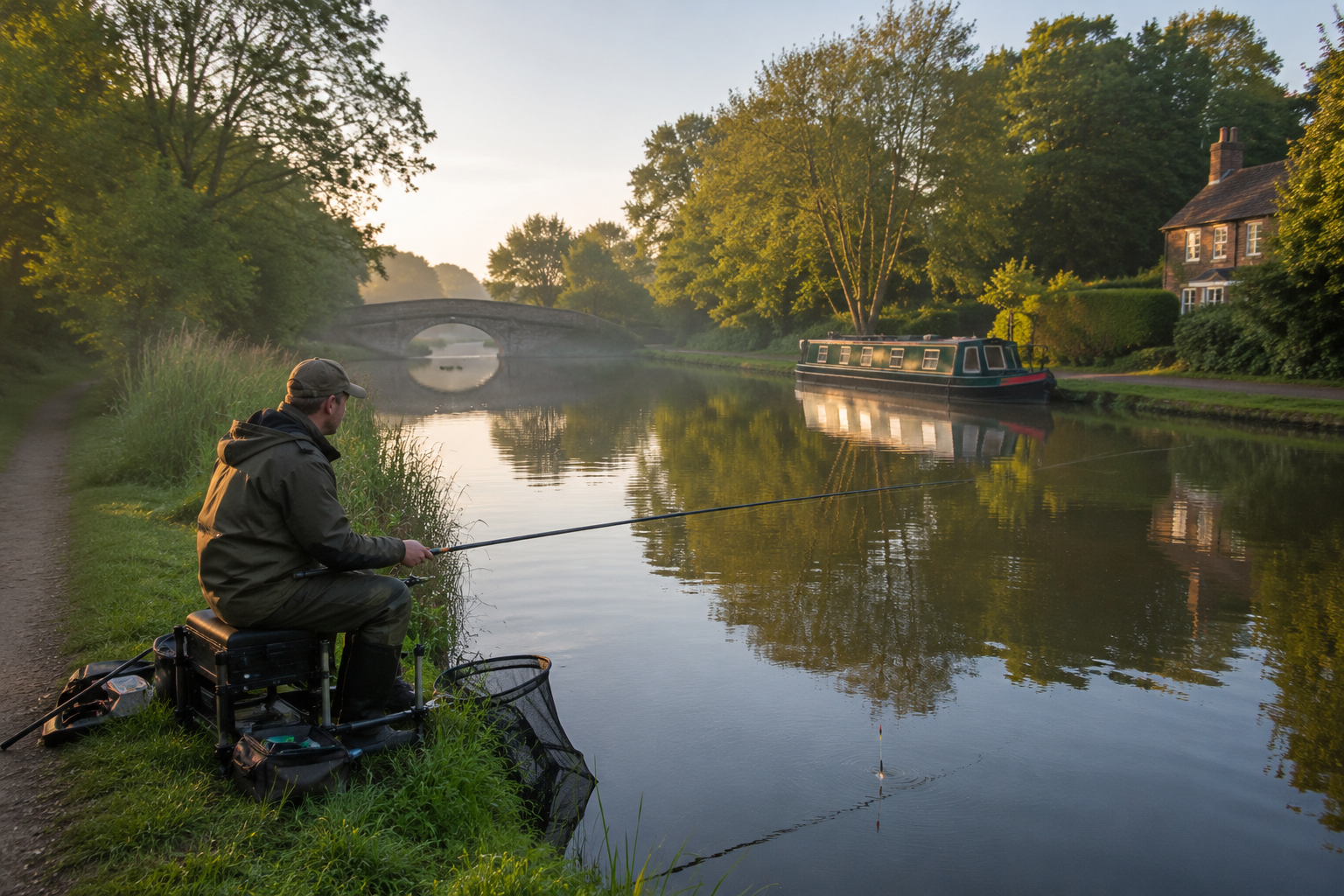
Float Fishing on Canals: A Simple Starting Method
Canals are the most under used beginner venue in the country. One rod, one float and a pint of maggots is genuinely all you need.
12 Aug 2026 · 4 min read
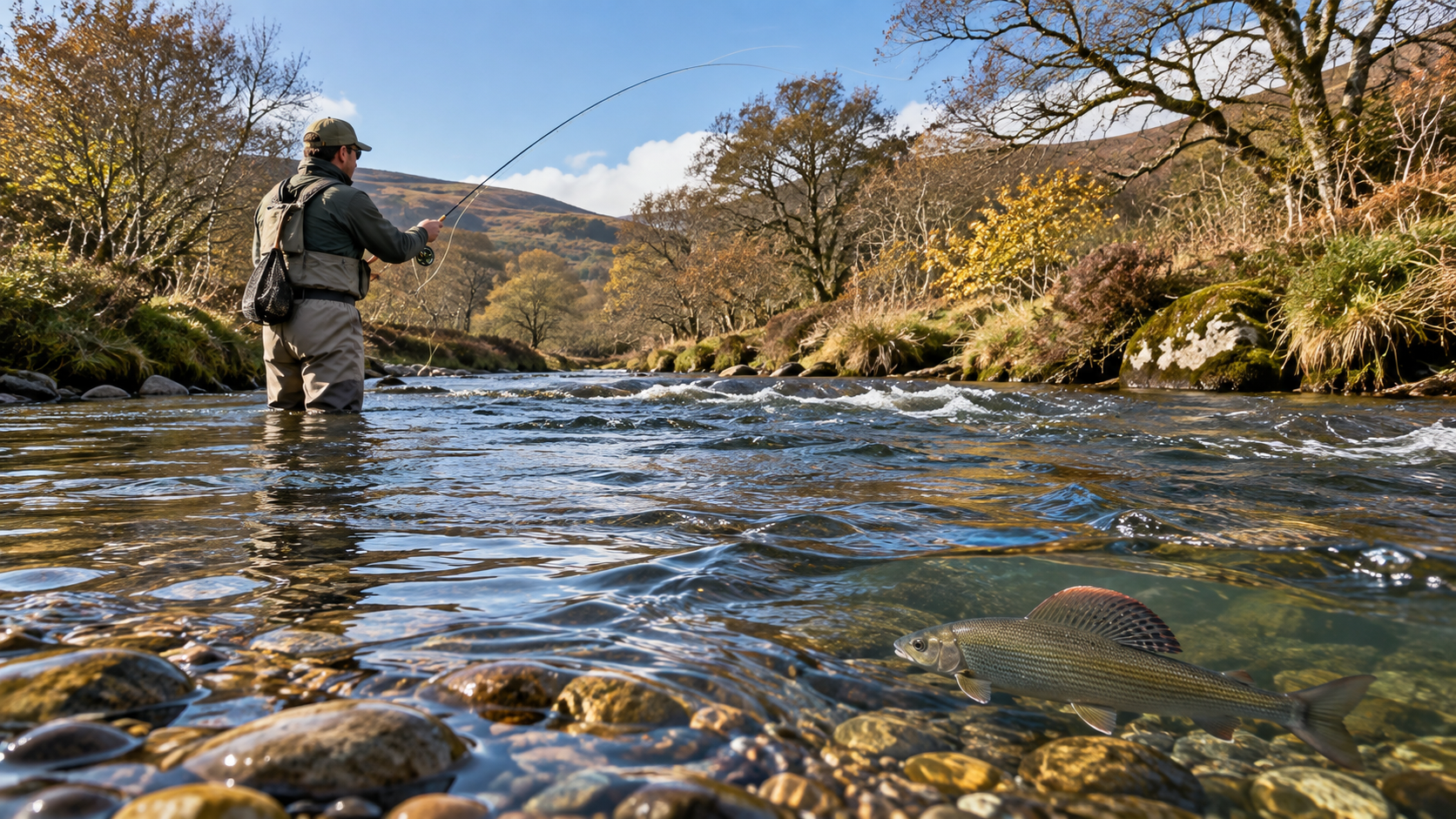
A Beginner’s Guide to Fly Fishing for Grayling
New to grayling fishing? This beginner’s guide explains the essential tackle, flies and techniques you need to start fly fishing for grayling on rivers, from finding fish to making a natural drift.
26 Sept 2026 · 7 min read